
LeBron James Evolution as NBA Playmaker
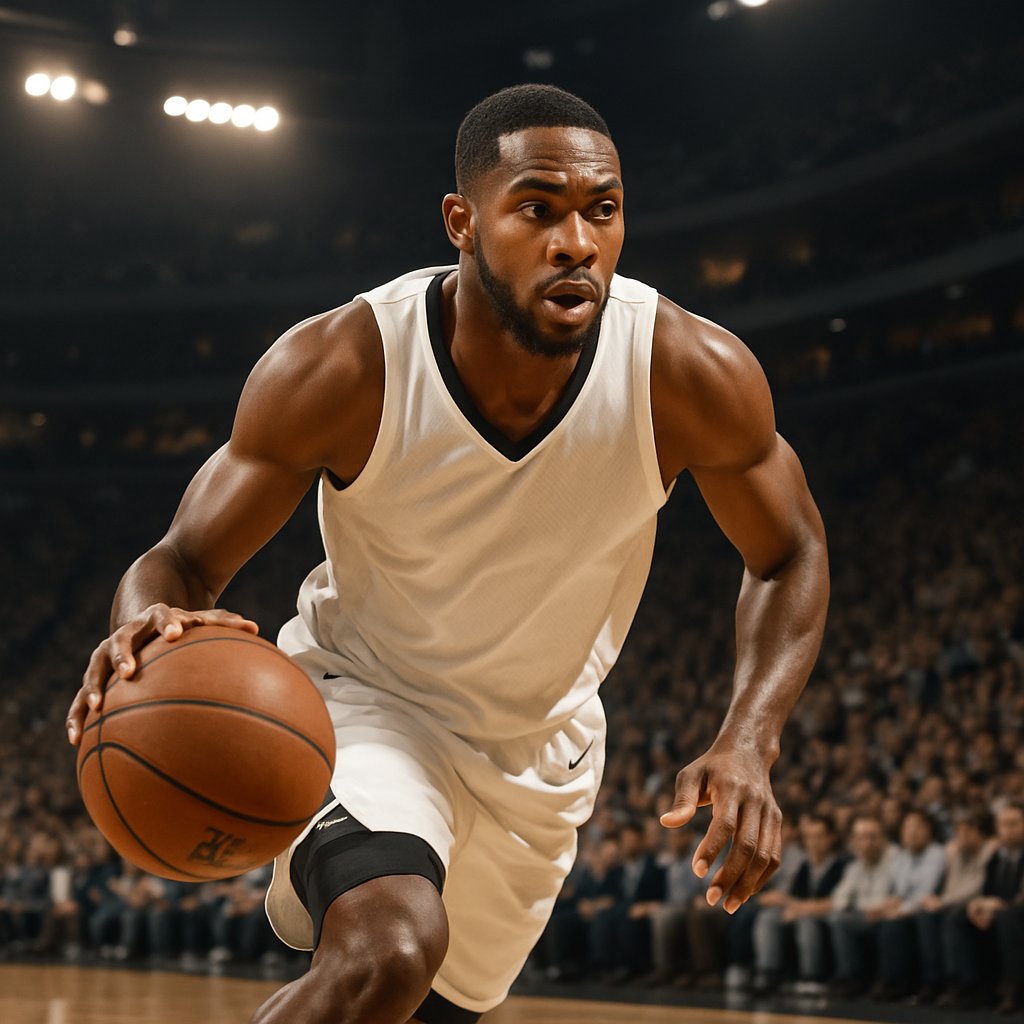
LeBron’s journey from a high-flying scorer out of Akron to one of the NBA’s most trusted floor generals has always felt like more than individual stats to me. The game has always been bigger than stats, and watching him learn to lift teammates through vision and timing has reminded so many of us in the community how basketball can knit people together on and off the court.
He arrived in Cleveland in 2003 as the top pick, carrying the weight of a city hungry for hope. That rookie year he put up 20.9 points, 5.5 rebounds, and 5.9 assists, flashing no-look passes and transition reads that made veterans like Zydrunas Ilgauskas look open in ways they hadn’t expected. By year three the assists were up to 6.6 as he started drawing doubles and kicking to shooters, turning those back-to-back 50-win seasons into lessons in shared success rather than solo heroics.
What gets lost in the highlights is how deliberate the shift was. When he landed in Miami in 2010 alongside Dwyane Wade and Chris Bosh, the point-forward role clicked into place. He averaged 6.9 assists in 2010-11, led the league in triple-doubles, and started delivering those hockey-assist passes that springboarded transition buckets. The two titles that followed showed how his reads in half-court sets could make spacing and secondary actions sing. Back in Cleveland in 2014 he pushed even higher, posting that career-best 9.1 assists per game in 2016-17 and powering the 2016 championship run with long triple-double streaks and double-digit assist nights.
The same growth carried west to the Lakers in 2018. Even into his late 30s and early 40s he has held steady at 8.3 assists across his time there, becoming the all-time playoff assists leader while walking younger teammates like Anthony Davis through schemes. In the 2020 bubble title run he averaged 10.2 assists in the playoffs. At 39 during 2023-24 he still cleared seven assists a night, showing how vision adapts to today’s spacing and three-point emphasis with fewer turnovers relative to his usage.
Understanding LeBron’s playmaking requires looking deeper than assist totals. His ability to read defenses has evolved alongside the league itself. In the early 2000s when he broke into the league, the NBA still featured more isolation-heavy offenses with traditional post play. LeBron’s passing in those years often came from broken plays and transition situations where his size and court vision created natural advantages. As the league shifted toward spacing and three-point shooting, his assist numbers climbed because he could operate in more dynamic offensive systems. The Heat’s ball-movement philosophy under Erik Spoelstra amplified this evolution. Suddenly LeBron wasn’t just a passer—he was a hub in a system designed to create secondary scoring opportunities through constant motion and spacing.
The 2016-17 season deserves special attention because it represents the apex of LeBron’s playmaking career. That 9.1 assists per game average came during a season when he was 32 years old, theoretically past his athletic prime, yet arguably at his intellectual peak on the court. He wasn’t relying on explosive first steps to create lanes anymore; instead he was using positioning, footwork, and court awareness to generate passing angles that younger defenders couldn’t anticipate. The Cavaliers went 51-31 that season, and LeBron’s facilitation was central to how they balanced scoring threats and created rhythm on offense. He recorded 13 games with double-digit assists that season alone—a testament to how consistently he was threading the needle.
What separates LeBron from other high-volume scorers who’ve learned to pass is his willingness to trust teammates in clutch moments. Throughout his career he’s had chances to hunt shots in tight games, yet there are countless instances where he found the open man instead. This mentality, more than any individual play, defines his evolution as a floor general. It’s the difference between someone who can make passes and someone who can teach teammates to expect them. Players around LeBron have consistently shot better from three when he’s facilitating—a ripple effect that speaks to how he spaces the floor and times his passes to catch shooters in rhythm.
His assist-to-turnover ratio climbing past 3:1 after age 28 is particularly impressive when you consider he was simultaneously taking on more offensive responsibility. Most players see turnovers increase as their usage grows, but LeBron actually improved his decision-making during the years he was shouldering heavier scoring loads. This speaks to his processing speed and basketball IQ—he wasn’t just getting older and luckier, he was genuinely becoming more efficient with the ball in his hands.
The transition game represents perhaps his most underrated playmaking strength. Nearly 30 percent of his assists in multiple seasons have come in transition situations where he’s either pushing the pace himself or making the final touch pass. This seems obvious given his athleticism, but it’s actually a skill that separates elite facilitators from good ones. Many players can make passes when the offense is set and they have time to scan the floor. LeBron could make these same caliber passes while running at full speed, often with defenders closing out, which requires exceptional spatial awareness and pass placement accuracy.
His 110 triple-doubles rank as the most ever by a forward, and that record illustrates something profound about his game architecture. He’s not someone who occasionally goes into cruise control and racks up assists—he’s consistently contributing across all statistical categories in ways that show basketball intelligence. A triple-double means you’re touching the ball appropriately, moving without the ball appropriately, and making the right reads on offense while defending your assignment. It’s less a stat line and more a measure of complete basketball contribution.
In the 2020 bubble playoffs, averaging 10.2 assists while also averaging over 30 points shows how LeBron can simultaneously be the team’s primary scorer and primary creator. This is rarer than it seems at the highest level. Most players who score that volume find their assist numbers drop because defenders are keying on them so heavily. LeBron’s 6’9″ frame and basketball intelligence allowed him to score over defenders while still seeing cutters, spotting shooters, and making help-side passes that led to easy baskets for teammates.
You see echoes of that same facilitator spirit in the WNBA, where players have long understood that creating for others can be the most powerful form of leadership. LeBron’s path mirrors what so many of us have celebrated watching women’s basketball grow—intelligence that turns teammates into stars and turns games into something communal.
He sits third all-time in career assists with over 11,000, the highest mark among non-guards. He owns 110 triple-doubles, the most ever by a forward. The 2017-18 season gave him that 9.1-assist average on 54 percent shooting. His playoff assists total tops 1,900. He led the league in playoff assists in 2020 with 10.2 per game. The 2016-17 campaign included 13 games with 10-plus assists. Transition playmaking has accounted for nearly 30 percent of his assists in multiple seasons. His assist-to-turnover ratio climbed past 3:1 after age 28. He shares the record for most 5,000-point/5,000-assist careers. Even with reduced minutes lately he keeps clearing seven assists.
LeBron’s evolution keeps offering a blueprint for how basketball intelligence can stretch a legacy past scoring alone. From raw talent in Cleveland to championship connector in Miami and Los Angeles, his growth has helped shape positionless basketball and shown young players everywhere that passing can carry the same pride and power as any dunk. The most enduring lesson may be this: the greatest players aren’t necessarily the ones who score the most, but the ones who make everyone around them better, night after night, season after season, for two decades and counting.