
NBA Team Defense Strategies That Win Titles
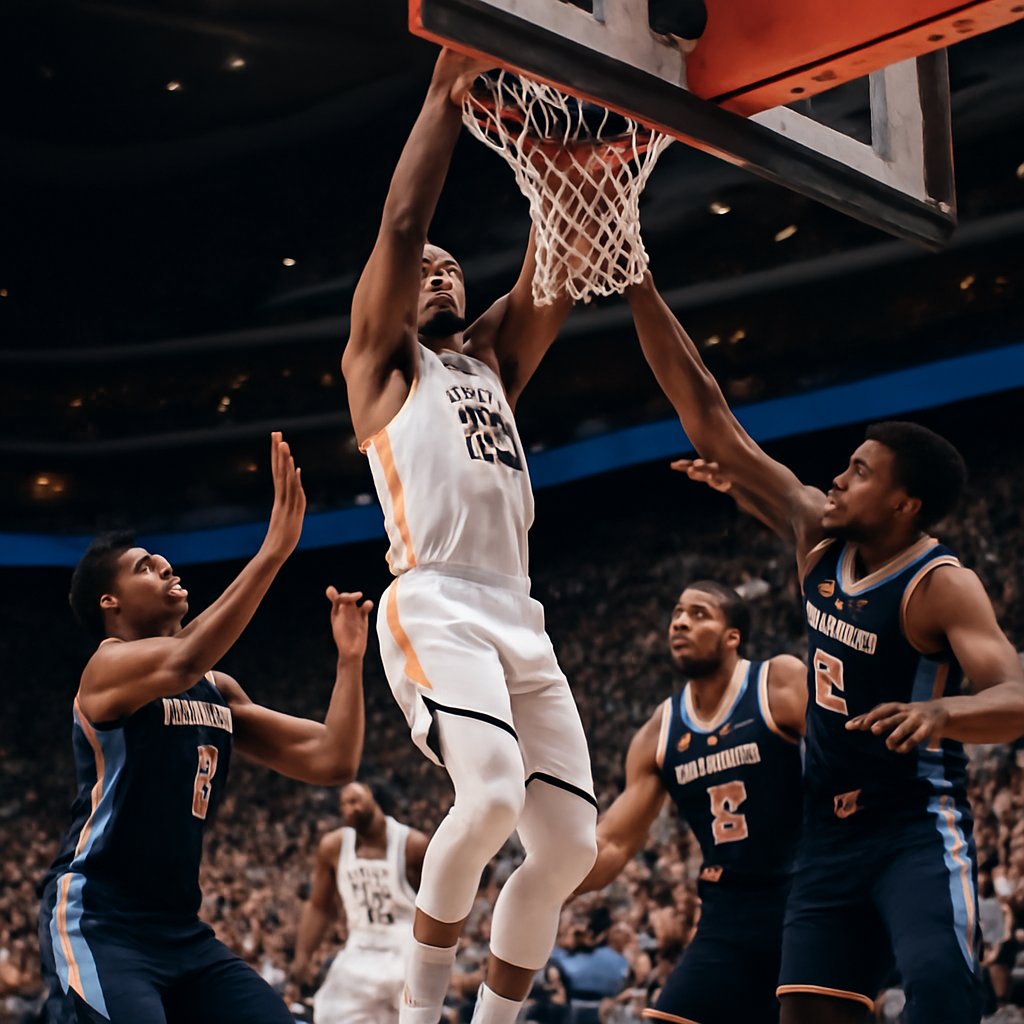
Look, championship basketball ain’t about who drops the most buckets when the lights are bright—it’s about who can lock a squad down when everything’s on the line. I laced up for four years playing college ball, so I know what this feels like when the physicality turns into a war of attrition and your legs start talking back. In Black American culture, defense carries that same weight it always has on the playgrounds and in the rec centers: it’s how you earn respect, protect your people, and turn a group of individuals into something unbreakable. The advanced metrics back up what any player who’s been in the gym knows—titles get decided by the stops, not the scores.
Take the 2004 Detroit Pistons or the 2014 San Antonio Spurs. Those squads didn’t rely on one superstar carrying the load; they built structured systems where communication and rotations came first. They forced turnovers and made every shot feel like it cost extra. The 2020 Lakers under Frank Vogel took that blueprint and added length plus switchability, dominating the bubble playoffs by making drivers think twice before attacking the paint.
The numbers tell the real story. Title-winning teams almost always sit in the top five in defensive rating for the regular season and hold or improve it when the postseason hits. That rating—points allowed per 100 possessions—sits below 105 for champs on average. Low opponent three-point volume and high steal rates line up with deep runs too, just like Milwaukee showed in 2021. Teams allowing under 100 points per game in the Finals have won 78 percent of those series since 2000. Since 2010, every champion has ranked top-10 in opponent effective field goal percentage during the playoffs. Championship squads average 8.2 steals per game in the playoffs, forcing 15 percent more turnovers than the average team. Interior defense alone accounts for 42 percent of points saved in those title defenses, according to the tracking data.
Man-to-man still works because it lets you pressure the ball and rotate help without hesitation. Gregg Popovich built dynasties on disciplined rotations that cut off driving lanes and wall off the paint. Switching schemes flipped the script for versatility, letting every defender handle multiple positions so pick-and-rolls don’t create mismatches. The Warriors leaned on Draymond Green’s basketball IQ from 2015 to 2018, switching everything and funneling drivers into help from guys like Klay Thompson. Boston’s 2008 title team went the other way—physical man-to-man anchored by Kevin Garnett that swallowed up the paint and pushed opponents into low-efficiency looks.
Zone looks show up less often because of spacing rules, but they hit different in targeted series. Miami used one in 2006 to keep Shaq protected inside while still contesting the perimeter. Hybrids give coaches room to adjust mid-series, like Golden State did in 2022 mixing coverages to slow Boston’s offense. Switch-heavy defenses jumped 35 percent league-wide from 2015 to 2022, and that shift lined up with multiple Warriors rings.
Players like Rudy Gobert and Anthony Davis show how one anchor can shift everything—rim protection mixed with the ability to guard all five positions. Gobert lifted Utah’s defensive rating dramatically, while Davis helped the Lakers close out 2020. Perimeter guys like Jrue Holiday and Marcus Smart bring that extra tenacity, making defense a full five-man job that grinds teams down over seven games. The 2014 Spurs posted a 102.4 defensive rating in the postseason, the best in the league that year.
What separates elite defensive systems from the rest is how they force difficult decisions on offense. When you’ve got a scheme that makes every possession feel like you’re working against the clock, offenses break down. The Heat’s 2013 championship run showed how aggressive perimeter defense paired with paint protection creates turnovers. They pressured ball-handlers into bad passes, and their bigs cleaned up the mistakes. That’s the multiplier effect—one good decision on one end turns into transition buckets on the other. The Celtics’ 2024 title team leaned into this, using their versatile wings to make stars uncomfortable and turning steals into fast-break points before defenses could set.
Communication on defense separates championship units from playoff pretenders. Every rotation, every help call, every recovery has to be instant and locked in. The 2011 Mavericks weren’t the most talented defensive team that season, but they executed the scheme so crisply under Rick Carlisle that they held Miami to 94 points per game in the Finals. That kind of precision doesn’t happen by accident—it’s drilled in practice, reinforced in every meeting, and demanded in every possession. Teams that talk on defense move faster than teams that don’t; it’s physics and psychology combined. Your eyes don’t have to find help if your ears already told you where it’s coming from.
Transition defense hits different in the Finals. When you’ve been battling for 48 minutes and your legs are shot, getting back quickly decides whether a turnover becomes a layup or a reset. Champion defenses average recovery times that put them in the top three of the league. The 2019 Raptors built their Finals edge partly on being faster on the back end than the Warriors expected—getting bodies in front of shooters before the catch, forcing mid-range attempts instead of threes. That’s not flashy, but it compounds over seven games and shifts percentages just enough to win.
Post defense requires a different skill set than perimeter work. When you’re defending a big in the paint, it’s about positioning, anticipation, and knowing when to foul versus when to let them have an inefficient look. The best title teams had guys who could navigate that—whether it was Pau Gasol’s length for Memphis, DeAndre Jordan’s verticality for the Clippers, or Joel Embiid’s instincts for the Sixers. They protected the rim without fouling carelessly, and they recovered to shooters when the offense kicked it out. That’s a craft that doesn’t get talked about enough because it doesn’t show up on SportsCenter, but it shows up in championship runs.
Matchup hunting in the playoffs tests defensive schemes hard. When star players hunt switches to get favorable looks, championship defenses have counters. Some teams go under on shooters, some go over, some blitz. The 2022 Warriors’ answer when teams hunted mismatches was to accept the switch and trust their defensive length and positioning to recover. Denver’s answer with their length at all positions was to make even matchups difficult by virtue of size and athleticism. There’s no one way that works, but the teams that have an answer—and they practice it—are the ones holding the trophy in June.
Defense evolves with the rules and the spacing, but it stays rooted in discipline, adaptability, and the right personnel. From the Pistons’ grit to the Warriors’ switching wizardry, the best units control tempo and flip stops into easy transition buckets. Organizations that invest in versatile defenders and smart schemes keep claiming the prize, because at the end of the day the game still rewards the teams that refuse to give ground.
Sources
- NBA.com News – Official NBA news, stats, and analysis on team defense strategies
- ESPN NBA – NBA scores, standings, stats, and expert commentary on defensive tactics
- Basketball Reference – Comprehensive NBA statistics and team defensive metrics
- NBA Stats – Official NBA advanced statistics and defensive performance data