
Understanding NBA Salary Cap and Team Building
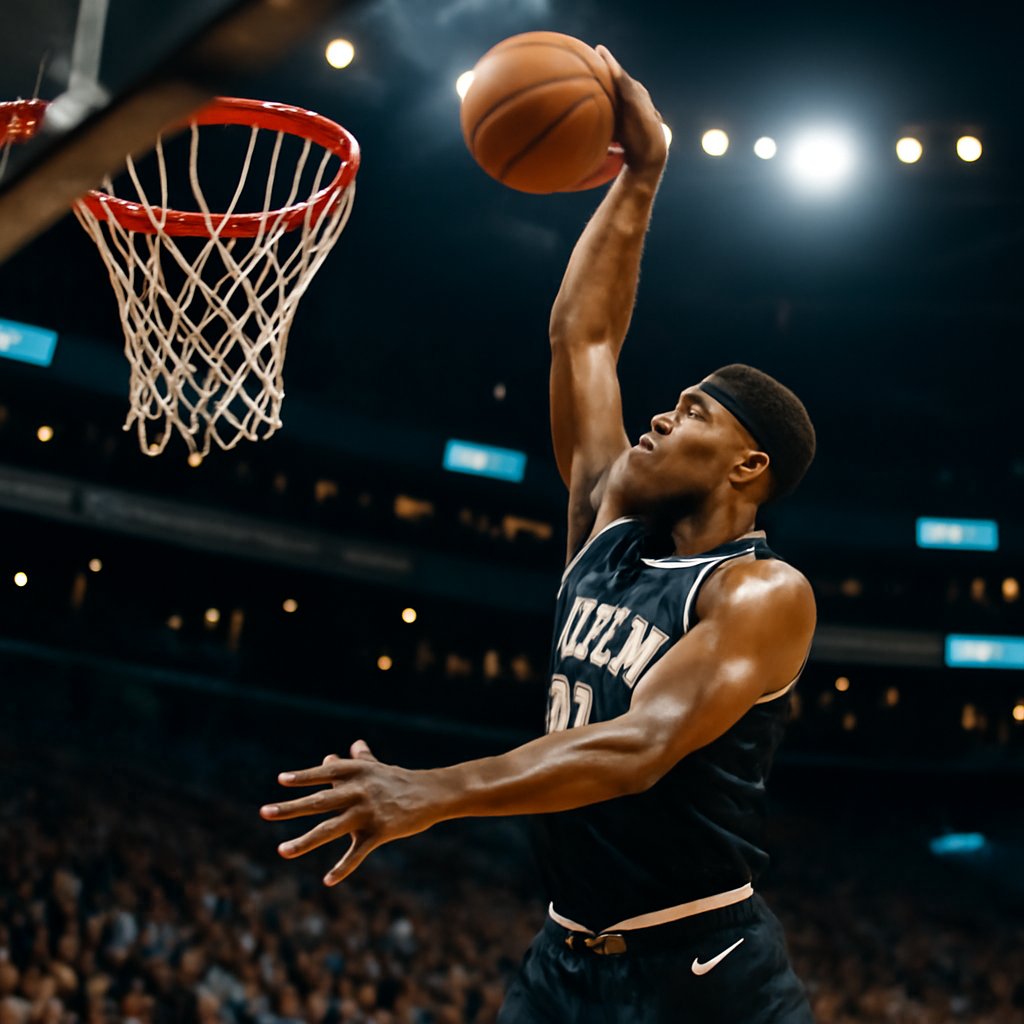
The NBA salary cap ain’t just some spreadsheet exercise cooked up in a league office—it’s the tightrope every front office walks when they’re trying to build something real. I laced up for four years playing college ball, so I know what it feels like when a roster gets stretched thin and you’re asking guys to play heavy minutes without enough support around them. That same pressure shows up at the pro level when teams chase stars while staying under the line.
For the 2024-25 season the cap sits at roughly $140.6 million and the luxury tax line at about $170.8 million. The soft-cap system lets teams bend the rules with exceptions, but it still forces smart planning instead of reckless spending. The number itself comes from basketball-related income the year before, so everybody’s forecasting revenue like they’re checking tomorrow’s weather.
Player contracts eat up that space fast. A max deal for someone like Stephen Curry or Nikola Jokić can take 25-35 percent of the cap in one bite. The rest of the roster then gets filled with minimums and rookie-scale deals. I’ve seen it from both sides—when the numbers line up, you get depth; when they don’t, you end up with a team that’s good enough to win 42 games and bad enough to miss the playoffs every spring.
Teams that win long-term usually blend the draft with targeted additions using the mid-level and bi-annual exceptions. The Golden State Warriors showed everybody how to do it around Curry, keeping flexibility even after paying luxury-tax bills. Trades become another lever—expiring deals and pick swaps help teams shed money and reset. Look at how Boston and Denver have used player-efficiency ratings and usage numbers to find rotation guys who actually fit the budget instead of just filling chairs.
Crossing the tax line brings real pain. Penalties stack up quick, and repeat offenders lose free-agent flexibility. That’s why smart organizations project three to five years out when they hand out extensions or make win-now moves. The Miami Heat have turned veteran-minimum signings and Bird rights into a science, keeping their core together without blowing past the line. Milwaukee did the same around Giannis Antetokounmpo, adding Khris Middleton without killing future space. In Black communities from Philly to Oakland, that kind of discipline echoes the same lessons we learned on playgrounds—stretch every dollar, protect the culture, and never let one player’s light dim the whole squad.
Cap mismanagement shows up in the playoffs as shallow benches and no deadline help. Cap-efficient teams, by contrast, carry the kind of durable two-way players who still have legs in Game 7. The numbers back it up: the salary cap climbed from $58.6 million in 2014-15 to over $140 million now, reflecting league growth that’s lifted a whole generation of talent. Max contracts can hit 35 percent for long-tenured designated players. Luxury-tax teams dropped more than $200 million in penalties last season alone. Rookie-scale deals still deliver 20-30 percent of a contender’s production at bargain rates. Mid-level additions have historically supplied 10-plus points per game in playoff rotations. Cap-smart clubs average three to five extra wins a year compared with repeat tax offenders. Trade exceptions let teams absorb $10-15 million without perfect matching, which matters when the trade deadline hits and you need one more body.
Understanding the different salary cap exceptions is crucial for any front office looking to stay competitive. The Non-Taxpayer Mid-Level Exception typically sits around $11-12 million annually and allows teams below the tax line to sign a player without matching salary. The Taxpayer Mid-Level is smaller, usually $5-6 million, but it’s available to teams willing to pay the tax. The Bi-Annual Exception, worth roughly $3-4 million in recent years, provides another tool for rotation player upgrades. These exceptions are lifelines that let teams add depth without massive financial commitments. The veteran minimum, usually around $2-3 million per year, has become one of the smartest ways to find rotation contributors. Teams that maximize these avenues—like the Spurs and Nuggets have done—consistently punch above their spending weight.
The Bird Rights rule, named after Larry Bird, lets teams pay a player over the cap if they’ve had their rights for multiple years. This is how franchises retain core pieces while staying somewhat flexible. Restricted Free Agency works similarly, giving teams the right to match any offer or get compensation in return. Understanding the difference between these mechanisms separates championship organizations from the ones spinning their wheels year after year. When a team can keep its stars through Bird Rights and fill gaps with smart exceptions and minimum deals, that’s when you see sustained excellence.
Apron restrictions have become a bigger factor too. Teams that go past the second apron face strict limitations on trades and free-agent signings. The Warriors learned this the hard way, watching their flexibility shrink even as their talent remained elite. These restrictions force long-term thinking that goes beyond just “win now” mentality. Teams operating near the apron have to evaluate every contract as if it’s going to stick around for years, because unloading bad money becomes nearly impossible.
The draft itself is a salary cap conversation in disguise. A lottery pick costs roughly $10-14 million for a four-year rookie deal, depending on draft position. A first-round pick around pick 15-20 runs $5-7 million. These prices are artificially low compared to what those players might command in free agency, which is why every contender is obsessed with developing young talent. The Celtics’ recent run winning a championship featured multiple rookies and young players on cheap deals—Derrick White, Sam Hauser, and others provided playoff-tested depth without crushing the cap.
Trading for expiring contracts is an art form that separates patient front offices from desperate ones. When a team is willing to take on a bad contract expiring in one year, they create salary-cap space for the next offseason. This is how savvy GMs reset without tanking. The Suns made this work acquiring Chris Paul on an expiring deal, setting themselves up for future moves even as they pushed for immediate wins. It’s not always glamorous, but it’s how real rosters get built.
The collective bargaining agreement established in 2023 changed some of these dynamics, introducing new rules around trades and free-agent eligibility. Players can now opt in or out with more clarity, and teams have to plan around potential player movement with even more precision. The agreement also addressed revenue sharing and luxury-tax thresholds more aggressively, making it harder for teams to just spend their way out of problems.
Second apron complications have real teeth. Teams above that line can’t trade for incoming salary without matching or sending out equal money in return, which basically means they’re stuck with their roster unless they’re willing to give up assets. Staying below that line has become a competitive advantage that money alone can’t buy. It requires patience, draft success, and the kind of front-office discipline that wins championships over multiple seasons.
Mastering the cap is still the quiet art that separates franchises that just talk about contention from the ones that actually live in it.
Sources
- NBA.com – NBA Salary Cap 101 – Official NBA explanation of salary cap rules and regulations
- ESPN – NBA Salary Cap Explained – Comprehensive guide to understanding salary cap mechanics
- Basketball Reference – NBA Contracts Database – Historical and current player contract information
- NBA.com – Collective Bargaining Agreement – Official CBA details affecting team building