
Analyzing Three Point Shooting Trends in NBA
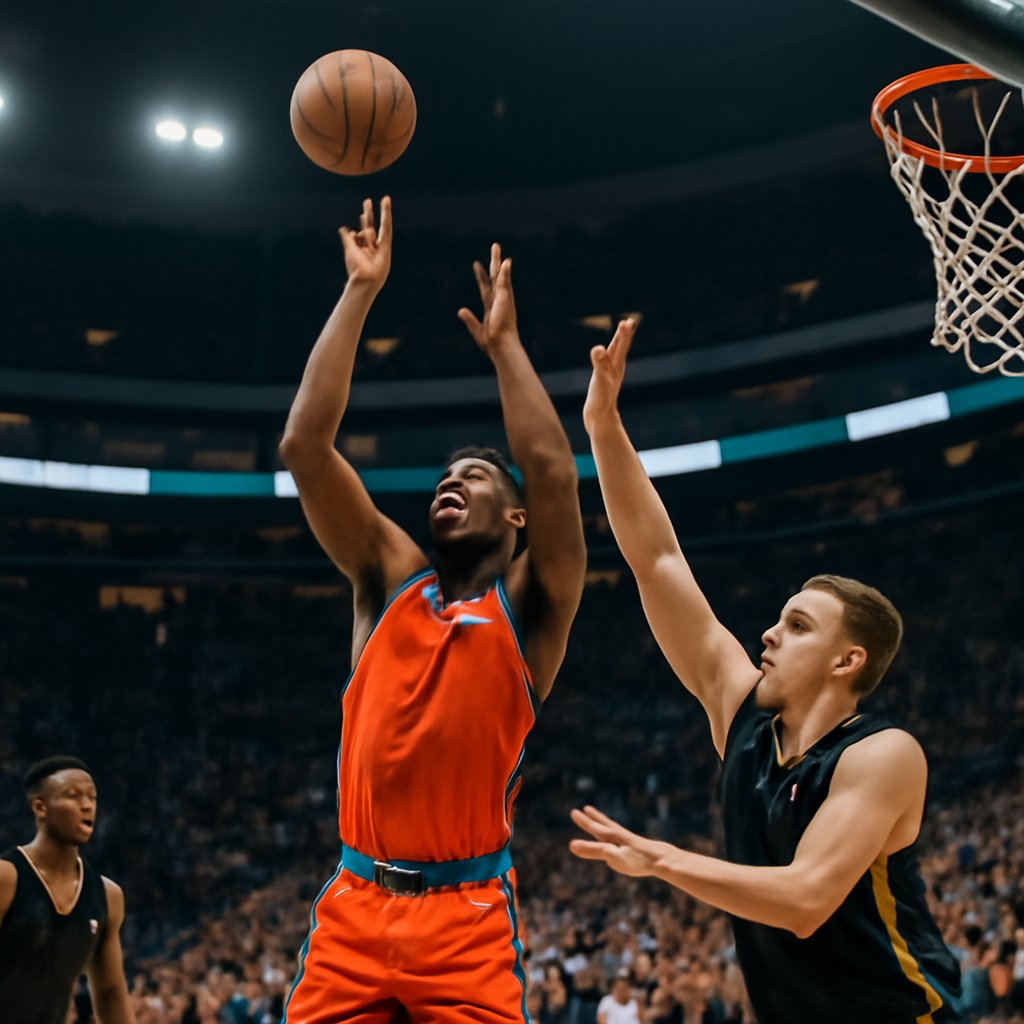
Three-point shooting has transformed how the NBA moves and breathes, but what gets lost in the highlights is the way this shift ripples through communities where the game has always been a lifeline. From the blacktops of Oakland to the rec centers in Atlanta and beyond, young players have long understood that stretching the floor opens doors—not just for buckets, but for opportunity and expression. The league’s growing reliance on the long ball mirrors that same truth: spacing creates freedom, and freedom creates possibility.
The three-point line arrived in 1979 with teams averaging fewer than three attempts per game. Growth stayed measured through the mid-1990s, yet the real acceleration came in the 2010s. Stephen Curry and the Golden State Warriors showed the league what efficiency looks like when you let it fly, and front offices took notice. The game has always been bigger than stats, and Curry’s influence reached past the NBA too—WNBA players have carried that same perimeter mindset, with shooters like Sabrina Ionescu and the next generation of guards proving that range and rhythm belong to everyone who puts in the work.
Rule changes in 2004 that removed hand-checking opened driving lanes and invited more perimeter creativity. Analytics then pushed teams toward volume. Today’s average club launches over 35 threes per game, up from 18 in 2010. Traditional bigs now face a choice: develop an outside stroke or watch their minutes shrink. This pressure echoes across both leagues, where WNBA frontcourts have also adapted, blending interior presence with floor-stretching ability to keep defenses honest.
The evolution of three-point shooting philosophy represents one of the most profound strategic shifts in basketball history. In the early 2000s, taking more than 25 threes per game was considered reckless. Teams viewed the three-pointer as a bonus, a luxury when the shot came easily. That mentality flipped entirely by the late 2010s. Now, volume from beyond the arc is treated as essential offensive infrastructure. Teams that don’t prioritize three-point shooting find themselves at a structural disadvantage, unable to compete with spacing-heavy offenses that force defenses into uncomfortable rotations and closeout situations.
The mathematical case for three-point shooting is straightforward but powerful. A team shooting 35 percent from three on high volume generates more points per possession than a team shooting 50 percent from two-point range. This basic efficiency equation, long understood by analysts but resisted by traditionalists, finally won over the entire league. Every franchise now employs dedicated three-point shooting coaches, scouts who specialize in identifying range in high school prospects, and video coordinators who break down shooting mechanics at granular levels. The investment signals how seriously organizations take this element.
Teams like the Boston Celtics and Denver Nuggets stand out for blending high volume with real efficiency. League-wide three-point percentage sits near 36 percent, while the sharpest offenses clear 39 percent. That spacing fuels drive-and-kick plays and lifts assist numbers on made threes. Damian Lillard, Donovan Mitchell, and Jayson Tatum represent the modern guard and wing who live beyond the arc. Role specialists such as Duncan Robinson and Buddy Hield have built careers on catch-and-shoot mastery, while Kristaps Porziņģis shows how centers can now pull defenders out of the paint in ways few imagined twenty years ago.
The rise of versatile big men who can shoot has fundamentally altered defensive schemes and positioning. When a seven-footer can credibly shoot from 35 feet, defenses must extend their coverage. This creates driving lanes for guards and opens cutters in ways traditional post-up basketball never allowed. Players like Karl-Anthony Towns, Brook Lopez, and Nikola Jokic exemplify this hybrid skill set. Their ability to space the floor has become as valuable as traditional rim-protection, forcing coaching staffs to recalibrate what they prioritize in their frontcourt acquisitions.
Playoff basketball often comes down to who sustains those attempts under tighter defense. Teams that keep volume high while staying efficient tend to go deeper. Variance rises when defenses load up, yet the 2023 and 2024 postseasons confirmed that elite three-point shooting remains a strong predictor of title contention. Coaches counter with drop coverages, zones, and aggressive closeouts, prompting offenses to add more off-ball movement and screens. That back-and-forth keeps the game alive and evolving.
Understanding shot location adds crucial nuance to three-point analysis. Not all threes are created equal. Corner threes, which sit closer to the basket due to the line’s shorter distance in the corners, boast the highest percentage and efficiency. Players who can find these spots through intelligent movement and spacing create the most valuable looks. This insight has changed how teams design plays and how scouts evaluate shooting ability. A player who can consistently knock down corner threes may be more impactful than someone who launches more frequent attempts from further out.
The numbers tell part of the story. League-wide three-point attempts per game have more than doubled since the 2009-10 season. Clubs taking 40 or more threes per game win at a higher clip than those under 30. Stephen Curry owns the career three-pointers record and still shapes how younger players approach the shot. Seven of the last ten champions ranked in the top ten in three-point percentage during their runs. International talent has lifted overall proficiency, and corner threes remain the most efficient look in the sport, so spacing stays central to every scheme.
Defense has had to evolve in parallel with offensive three-point innovation. Teams now employ “switch everything” concepts where defenders move fluidly between assignments, hoping to avoid leaving shooters open. Others use zone defenses to pack the paint while conceding some three-point attempts. The most successful defensive schemes combine aggressive perimeter pressure with disciplined help rotations and strong rim protection. Teams like the Denver Nuggets win not just through three-point shooting but through balanced defense that limits opposing volume while maintaining their own offensive spacing.
Player development programs have shifted dramatically to prioritize shooting at younger ages. NBA franchises now work extensively with their draft prospects on three-point mechanics before players even suit up for their first game. This represents a massive investment—shooting coaches, equipment, film study, and custom training regimens all designed to maximize range and consistency. Undrafted players and international prospects who can shoot from deep receive genuine NBA opportunities because the skill is so universally valued.
Advanced metrics like true shooting percentage, effective field goal percentage, and spacing impact ratings now dominate team evaluation. Front offices use sophisticated models to assess whether a three-point shooter generates more value through high volume or whether a lower-volume, extremely efficient shooter creates better offensive flow. These nuances help teams identify bargains—shooters the market undervalues—and maximize their roster construction budgets.
What stays constant is basketball’s role in tying communities together. Whether it’s a WNBA game drawing families on a summer night or an NBA playoff series lighting up neighborhood screens, the three-pointer has become part of that shared language. As players keep stretching their range and teams chase both volume and accuracy, the chess match between offense and defense will only grow richer.
Sources
- NBA.com Official Statistics – Official league-wide shooting statistics and player performance metrics
- ESPN NBA Statistics – Comprehensive NBA player and team statistics including three-point shooting data
- Basketball Reference NBA Season Statistics – Detailed historical and current season shooting trends and analytics
- NBA.com News – Official NBA reporting on league trends and rule changes affecting shooting