
Kevin Durant Scoring Techniques Explained Simply
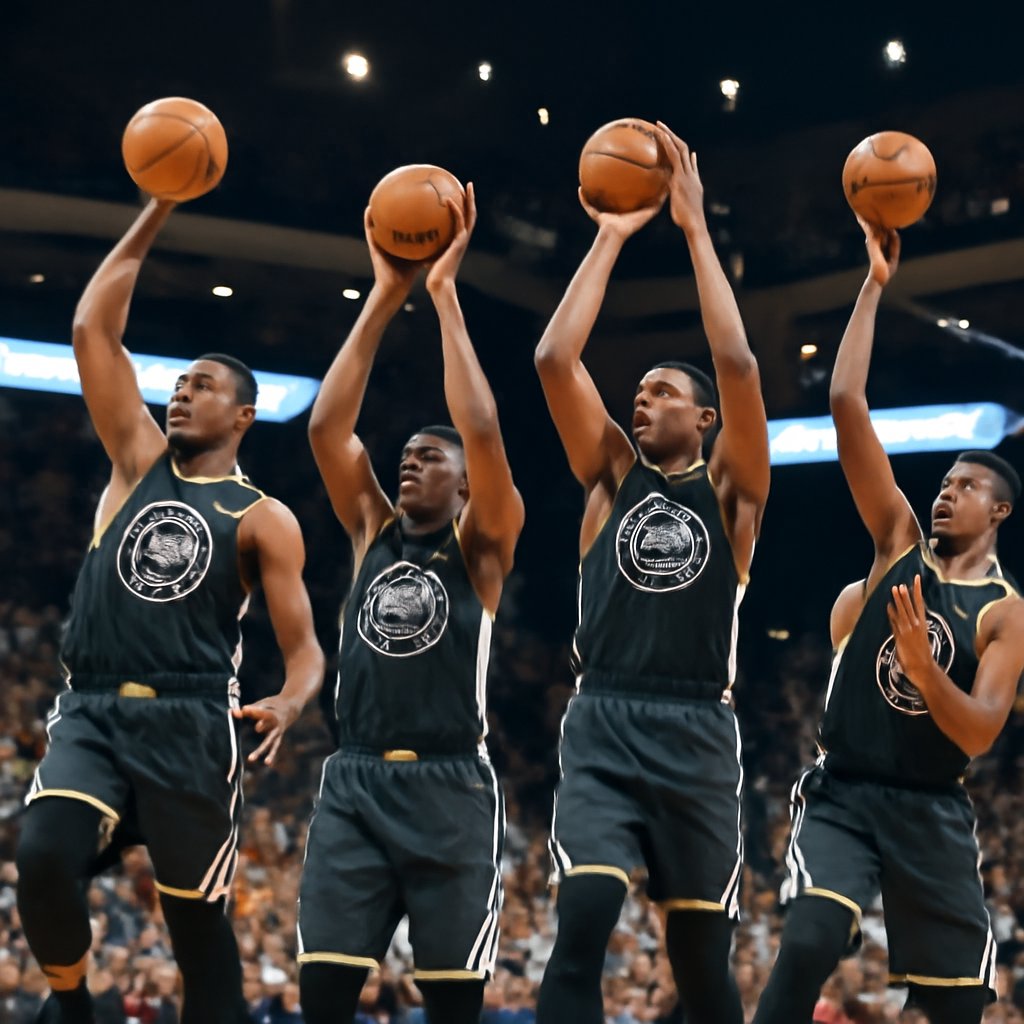
Kevin Durant’s scoring techniques hit different because they fuse that 6-foot-11 frame with guard-level handles, turning him into one of the most unstoppable offensive forces the league has seen across his stops in Seattle, OKC, Golden State, Brooklyn, and now Phoenix. I laced up for four years playing college ball, so I know exactly how rare it is to control space at that size while still moving like a smaller guard. His game has delivered multiple scoring titles and steady 25-plus point seasons, and folks study it because it shows how to manufacture buckets from anywhere, especially when the playoffs tighten up and every possession carries that extra weight. Basketball has always been more than a game in Black American communities—it’s a proving ground, a language, a path—and Durant carries that tradition forward with every pull-up.
His mid-range pull-up is the foundation, operating from 10 to 20 feet with a release that feels unfair. That high point, helped by his wingspan, lets him shoot over smaller defenders without needing separation. The setup comes through quiet jab steps and shoulder fakes that freeze help, then he rises into that repeatable form. I remember grinding those same two-dribble gathers in practice, trying to keep my shoulders square so the bigs couldn’t recover. The advanced metrics back up what any player who’s been in the gym knows: above 45 percent from that zone in multiple seasons is elite volume work. In the playoffs he leans into it more because it pulls zone defenses apart and opens driving lanes, the kind of craft that turns individual scoring into team advantage.
What makes Durant’s mid-range game particularly devastating is his ability to create separation without explosive athleticism. He uses a subtle rise-and-fire motion combined with his length to get the shot off before defenders close out. His footwork is deliberate—a quick gather, one or two dribbles, then the elevation. Younger players trying to replicate this often miss the patience element; Durant rarely rushes his mechanics. He understands spacing and positioning deeply enough to know exactly when and where to operate. Against tighter defenses he shifts zones, attacking different areas of the mid-range spectrum rather than forcing looks from spots where help defense clusters.
Out beyond the arc he stays just as dangerous, especially on catch-and-shoot looks off screens. Even at his height the release stays quick and balanced, and his career mark sits near 38 percent on serious volume, with seasons clearing 40. He relocates after picks, fades to the corner, or drifts to the wing where his length creates passing windows nobody else can reach. In transition those long strides get him to spots before recovery happens. His time with Curry stretched defenses so thin it felt like playing 4-on-3 every night, and those same habits carried into isolation sets with the Nets and Suns, including step-back threes that blend mid-range footwork with extra depth.
The three-point evolution in Durant’s game deserves deeper examination. When he entered the league with Seattle, the three wasn’t a primary weapon—it was supplementary. Over time, particularly during his Golden State years, he transformed it into a weapon defenders had to respect from 35 feet out. This forced a philosophical shift in how teams approached him. The step-back three he developed later in his career became a signature shot, combining his mid-range mastery with deeper range. It’s a two-dribble attack that creates space instantly, then he rises with his characteristic high release point. The geometry of his shot—legs beneath him, clean stroke, follow-through holding—makes it nearly impossible to block while maintaining balance.
Down in the post his footwork, strength, and touch make him nearly impossible to guard. Pivots, up-and-unders, that lefty hook, and the turnaround fadeaway all convert at high rates inside the restricted area. Facing up from the block and attacking with either hand forces centers into constant indecision. I know from experience how those moves feel when your body starts to slow down—you rely on angles and touch instead of pure bounce, and Durant has mastered that transition. Advanced metrics show his true shooting percentage rises when he starts possessions there, proof he’s maximizing every physical edge without chasing athletic highlights.
Durant’s post game showcases intelligent footwork that younger centers should study. He doesn’t overpower opponents—he outsmarts them. A simple drop step baseline followed by a floater catches defenders leaning. His up-and-under works because he reads how defenders contest, using their own momentum against them. The lefty hook from the elbow has been effective for decades in basketball because it’s nearly unstoppable when executed properly, and Durant’s length extends the range on this shot. He’ll also use ball fakes to freeze help defense, then slide to open space for uncontested looks. This is basketball at its most cerebral—using understanding of defensive positioning and spacing to create advantages.
The transition game is another underrated dimension of Durant’s scoring arsenal. His ability to push pace and get into rhythm quickly in open floor situations has been consistent throughout his career. He doesn’t dribble excessively in transition; instead, he reads whether defenders are set, then attacks immediately with efficiency. His length allows him to finish over defenders even when they recover, and he’s developed chemistry with elite passers—whether it’s Westbrook, Curry, Kyrie, or Chris Paul—which creates scoring opportunities before defenses organize.
Durant’s footwork at every level stems from fundamentals many modern players neglect. His feet are always positioned for what comes next. Before catching the ball, his stance is ready to attack or shoot. His dribble handoff exchanges are crisp and controlled. This attention to detail separates good scorers from elite ones. Young players see the buckets and highlights but miss the preparatory work—the positioning, the footwork, the angles that make everything else possible.
The numbers tell the rest of the story: four-time scoring champion, 27.1 points per game across 15 seasons, two championships with a 2017 Finals MVP on 55 percent shooting in the postseason, 13 All-Star nods, 10 All-NBA selections, multiple 50-point games including that 54-point playoff explosion, a 61.3 percent career true shooting mark, and a 30-point average with the Suns at an age when most scorers fade. These techniques translate across systems because they are built on fundamentals that respect the game’s history while pushing it forward.
What’s remarkable about Durant’s scoring is its sustainability and versatility. Whether playing next to ball-dominant stars or serving as the primary option, his scoring remains efficient. This adaptability comes from the diversity of his scoring tools. He doesn’t rely on any single move or play type; instead, he’s mastered multiple approaches to getting buckets. That flexibility makes him incredibly difficult to game plan against. You can’t simply load up on one side or pack the paint because his skill set spans the entire floor.