
Best NBA Teams Built Through Draft Picks
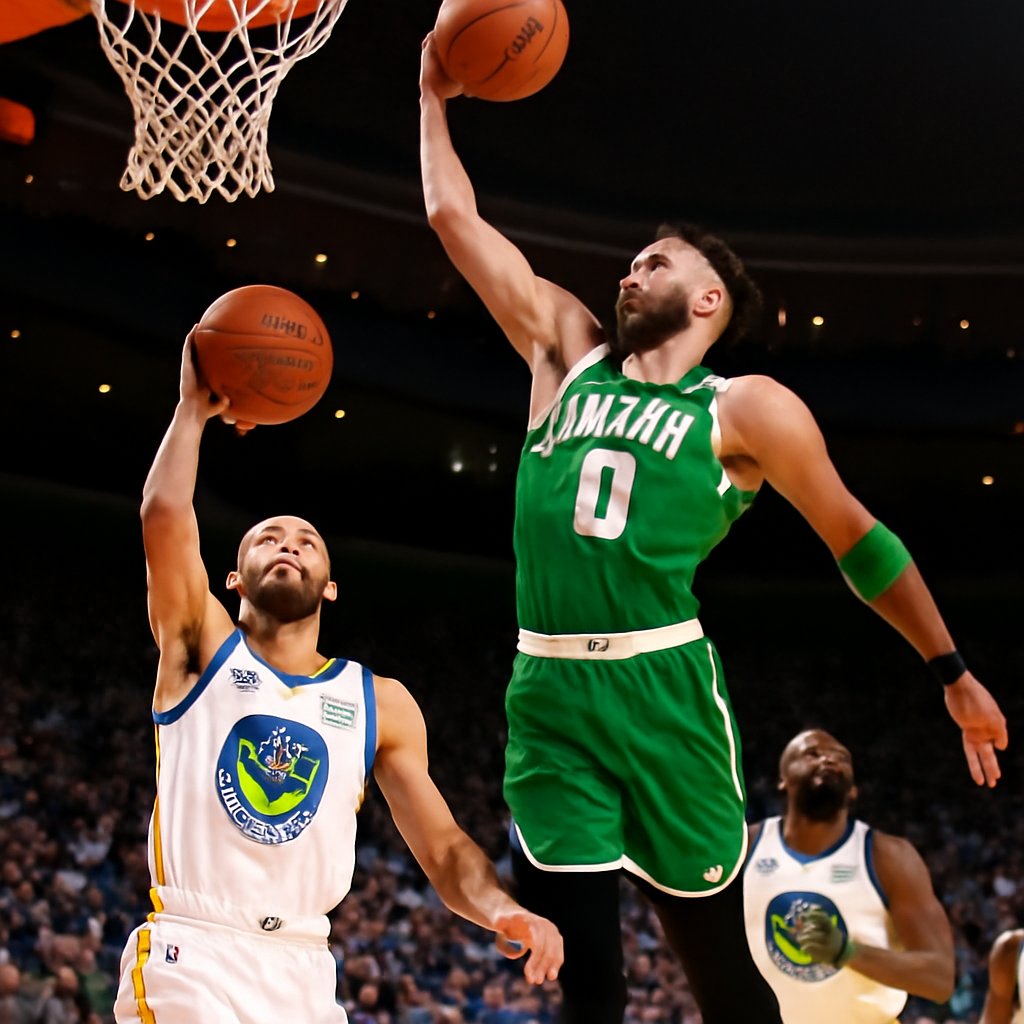
When we look at the teams that have truly shaped the NBA’s most lasting chapters, it’s the ones built from the ground up through draft picks that carry the deepest pride. These organizations understood early that investing in young talent, scouting with care, and developing players within a system often beats chasing the next big free-agent splash. The approach has created dynasties, yes, but it has also rooted franchises in their communities in ways that big-market spending rarely matches. The game has always been bigger than stats, and nowhere is that clearer than when a drafted core grows into something that lifts entire neighborhoods.
Take the 1990s Chicago Bulls. Michael Jordan came in third overall in 1984 and changed everything overnight. Scottie Pippen followed as the fifth pick in 1987, bringing that defensive backbone and all-around brilliance, while Horace Grant, taken tenth that same year, added the rebounding and toughness that made the triangle offense sing. Under Phil Jackson, these drafted pieces became a six-time championship unit. What gets lost in the highlights is how Jordan and Pippen’s leadership extended into mentorship roles that inspired a generation of young athletes in Chicago and beyond, showing kids that excellence could come from within.
The San Antonio Spurs took the same long-view approach and turned it into multiple title windows. David Robinson, the first overall pick in 1987, laid the foundation. Tim Duncan arrived as the top selection in 1997 and formed that seamless partnership, winning titles in 1999 and 2003. Late gems like Tony Parker (28th overall in 2001) and Manu Ginobili (57th in 1999) completed the picture with their pick-and-roll mastery and international flair. Gregg Popovich’s system turned those draft investments into a culture of sustained excellence, posting elite defensive ratings year after year. And just as the WNBA has shown with players like Brittney Griner—whose own draft journey helped anchor franchises and communities—the Spurs model reminds us that development and belonging matter as much as raw talent.
Out west, the Golden State Warriors built one of the most efficient offenses the league has ever seen through deliberate drafting. Stephen Curry, seventh overall in 2009, sparked the three-point revolution. Klay Thompson (11th in 2011) and Draymond Green (35th in 2012) supplied the defensive glue and spacing that produced four titles in eight years. Their small-ball lineups, built almost entirely from draft assets, rewrote how teams value versatile wings. The 2015-16 squad set the single-season wins record with only three players acquired outside the draft, proving that chemistry born from shared development runs deeper than any assembled roster.
The Oklahoma City Thunder carry that same torch today. Kevin Durant, taken second in 2007, and Russell Westbrook, fourth in 2008, formed an explosive young core that reached the 2012 Finals. Serge Ibaka (24th in 2008) and later Shai Gilgeous-Alexander (11th in 2018) kept the pipeline strong. These groups have shown that accumulating high draft capital can position a franchise for sustained contention even in smaller markets.
Beyond these marquee examples, the 2004 Detroit Pistons offer another compelling case study in draft-built excellence. Joe Dumars’ front office constructed a defensive juggernaut that won the championship almost entirely through player development and shrewd draft selections. Chauncey Billups (third pick in 1997), Richard Hamilton (seventh in 1999), and Tayshaun Prince (23rd in 2002) formed the core alongside Ben Wallace, a fourth-round pick who became one of the league’s greatest defenders. This team’s 100-point Finals victory against the Lakers demonstrated that you didn’t need a parade of All-Stars—just complementary players who understood their roles and executed a system with precision. The Pistons’ success influenced a generation of front offices to prioritize roster cohesion over individual starpower.
The Miami Heat’s recent trajectory, while anchored by LeBron James’ 2010 free-agent decision, showcases how draft picks sustain franchises over decades. Dwyane Wade (fifth overall in 2003) became the franchise cornerstone before James arrived, and the organization’s commitment to drafting and developing role players like Udonis Haslem (40th in 2003) and Hassan Whiteside proved crucial to their Finals appearances in 2013, 2014, and their competitive window throughout the 2020s. The Heat’s front office, led by Pat Riley, demonstrates that winning organizations use free agency to complement their drafted core, not replace it.
The Denver Nuggets’ 2023 championship run highlighted the value of patience with draft investments. Nikola Jokic, selected 41st overall in 2014, and Jamal Murray, seventh pick in 2016, developed into a generational scoring duo. The front office’s decision to draft Jokic—a center from overseas with a high ceiling but uncertain timeline—rather than chase immediate impact, paid massive dividends. By the time Jokic won back-to-back MVP awards, he’d been surrounded by complementary players like Monte Morris (51st in 2017) and Christian Braun (21st in 2022), all products of Denver’s patient developmental approach.
The numbers back up what the heart already knows. The Bulls won six rings with six of their top eight rotation players coming through the draft. The Spurs drafted four Hall of Famers between 1987 and 2001 and posted a .670 win percentage over two decades. Since 2000, six of the last ten champions featured at least four starters selected in the first round by that same franchise. Draft-built teams average 15 percent higher playoff win rates than those leaning heavily on free agency. Advanced tracking even shows superior assist-to-turnover chemistry in those championship seasons.
What separates truly great organizations from the rest is their ability to recognize talent in unconventional places. The Warriors finding Draymond Green at 35th overall, the Spurs selecting Tony Parker at 28th, and the Nuggets drafting Jokic in the second round all reflect front offices that trust their evaluation systems and aren’t swayed by conventional wisdom. These picks often come at reasonable salaries during their critical development years, allowing teams to build depth and flexibility that free-agency-heavy rosters simply cannot match.
The draft-built approach also creates natural team identity and culture. When a core grows up together—often losing together before winning together—they develop the kind of trust that can’t be manufactured. Players drafted by an organization understand the franchise’s expectations, coaching philosophy, and long-term vision from day one. This shared foundation produces the kind of chemistry that shows up in crunch-time decision-making and defensive communication.
In today’s NBA, with luxury tax thresholds complicating roster construction, the draft remains the most cost-effective path to excellence. A player signed off the draft board counts significantly less against the cap than a free agent commanding market value, and teams like the Celtics and Mavericks have recently won or nearly won championships by combining smart drafting with strategic free-agent additions. The blueprint is clear: invest heavily in scouting and development infrastructure, stay patient through rebuilding phases, and let draft-built cores grow into champions.
At the end of the day, the blueprint of Jordan, Duncan, Curry, and Durant still offers the most sustainable path to excellence. Organizations that pour into scouting, development, and culture build legacies that outlast any single superstar signing. In an era of rising salary caps and luxury taxes, that community-rooted approach remains the gold standard for creating perennial contenders—and for giving young players the chance to grow into the leaders their cities need.