
Facts About Longest NBA Winning Streaks
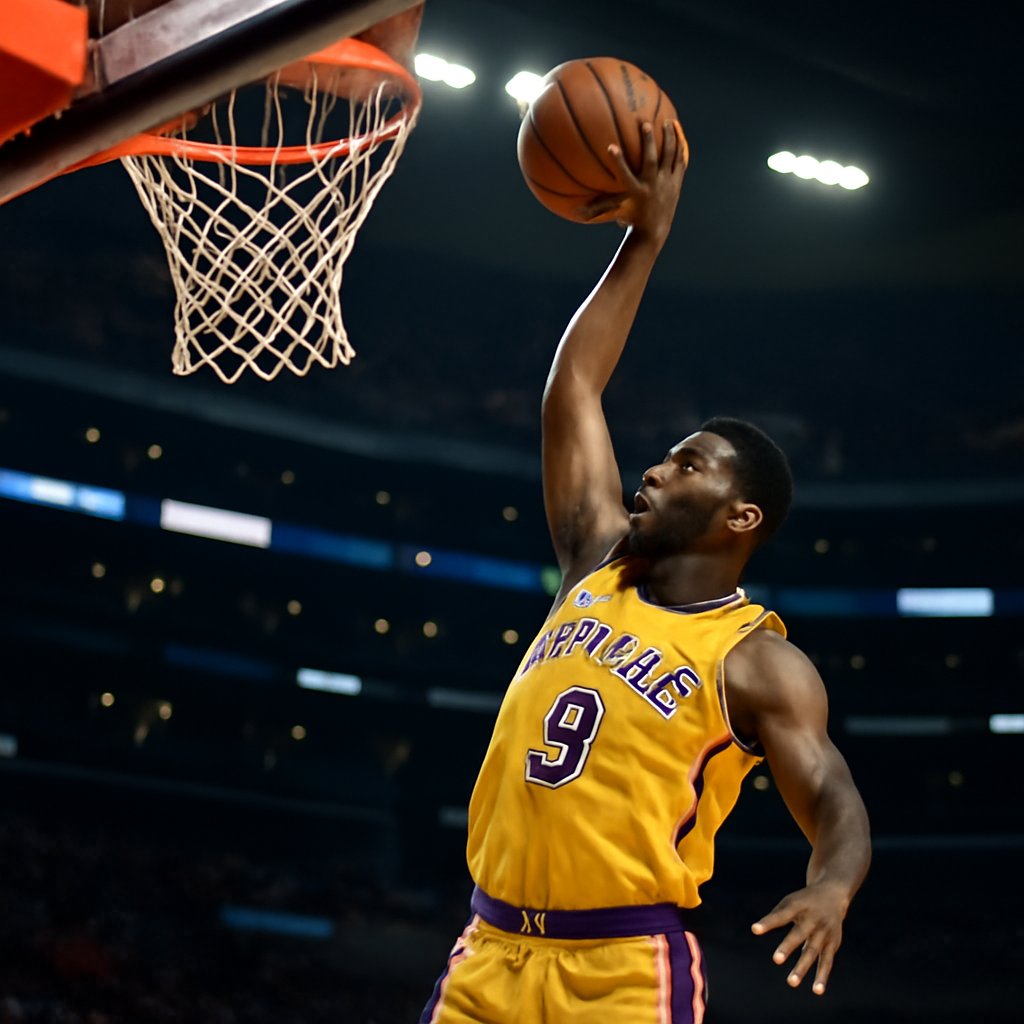
The longest NBA winning streaks have always carried a weight that goes beyond the box score, lighting up communities from South Central to the Bay Area with a pride that echoes through generations. These runs speak to something deeper in our game, where team chemistry and star power come together to remind us that basketball has long been a source of hope and connection, especially in Black neighborhoods where the court serves as both sanctuary and stage. What gets lost in the highlights is how these streaks ripple outward, lifting not just franchises but entire families who gather around TVs to witness history unfold.
The all-time mark still belongs to the 1971-72 Los Angeles Lakers and their remarkable 33-game streak. It kicked off after an early loss in November and rolled through a brutal schedule of back-to-backs, powered by Wilt Chamberlain’s commanding presence on the boards and in the paint, Jerry West’s ice-in-his-veins scoring, and Gail Goodrich’s steady hand from the perimeter. That stretch helped carry the Lakers to a 69-13 record and ultimately an NBA title over the Knicks. The game has always been bigger than stats, and this run showed it through the way Chamberlain and his teammates poured everything into both ends of the floor, outscoring foes by double digits on average while coach Bill Sharman stressed conditioning and preparation that kept the squad locked in.
The Lakers’ 33-game streak remains untouched more than fifty years later, a testament to its magnitude. During that historic run, Los Angeles won games against virtually every contender in the league, demonstrating dominance across all matchups. The streak ended on January 9, 1972, when the Milwaukee Bucks, led by Kareem Abdul-Jabbar and Oscar Robertson, defeated the Lakers 104-100. What made this streak particularly impressive was the era in which it occurred—the early 1970s featured a more physical style of play with looser officiating and less sophisticated training methods compared to modern basketball. The fact that Chamberlain, approaching the end of his career, could sustain that level of intensity alongside teammates who had to match his work ethic speaks volumes about the culture Bill Sharman instilled.
In more recent times, the Golden State Warriors strung together 24 straight wins in 2015-16, a masterclass in pace, space, and the three-point revolution led by Stephen Curry, Klay Thompson, and Draymond Green. Their blend of shooting and defense helped fuel a record 73-win season, though the streak’s magic ultimately met its end in the playoffs. Not long before that, the 2012-13 Miami Heat rode a 27-game run behind LeBron James, Dwyane Wade, and Chris Bosh, with Erik Spoelstra’s spacing and pick-and-roll schemes turning star power into something even more formidable. Comparing these to the Lakers’ mark shows how the league has evolved with rules, analytics, and volume shooting, yet the rarity of sustained excellence remains the same.
The Miami Heat’s 27-game winning streak during the 2012-13 season deserves particular attention because it showcased how modern roster construction and defensive principles could sustain elite performance. That Heat team ranked among the best defensively in NBA history, holding opponents to below 95 points per game during stretches of the season. LeBron James’s versatility allowed Miami to switch on defense without sacrificing size or athleticism, while his ability to facilitate offense kept defenses honest. The streak demonstrated that winning runs in the modern era often rely on balance—elite defense paired with three-point shooting and ball movement. Every player on that roster understood their role, and the coaching staff’s ability to maintain focus and prevent complacency became crucial.
What fuels these historic streaks—roster balance, adaptive coaching, and mental toughness—also shows up across the broader basketball family, including the WNBA, where teams build similar momentum through collective belief and community roots. Teams that stretch winning runs tend to shine in the metrics that matter most while leaning on superstars who elevate everyone around them. Playoff carries often trace back to that regular-season confidence, though the best squads guard against complacency with deep benches and smart rest.
Only five teams in NBA history have managed 20 or more wins in a row, and those runs frequently peak mid-season once chemistry clicks and injuries stay at bay. Players often post career efficiency marks during these stretches, defensive ratings climb, and the path to postseason success grows clearer. The 2016-17 Golden State Warriors came remarkably close to challenging the Lakers’ record when they put together a 16-game winning streak, reminding fans that the modern era’s Warriors dynasty could have potentially challenged 33 if injuries and load management decisions hadn’t factored into their calendar. The Warriors’ success in the 2015-16 season that spawned their 24-game streak ultimately led to a 73-win regular season, yet they fell short in the Finals against the Cavaliers—a stark reminder that regular-season dominance doesn’t automatically translate to championship success.
Beyond the top five, numerous teams have achieved 15, 16, 17, and 18-game streaks throughout NBA history. The 1994-95 Houston Rockets, powered by Hakeem Olajuwon, strung together 15 consecutive wins during their back-to-back championship run. The 1995-96 Chicago Bulls, featuring Michael Jordan, Scottie Pippen, and Dennis Rodman with Phil Jackson’s triangle offense, recorded multiple double-digit winning streaks en route to a 72-10 record before that was surpassed by Golden State. These historical examples show that championship-caliber teams often produce winning streaks naturally through their excellence, even if those streaks don’t always approach the historic marks.
The psychological element of maintaining a winning streak cannot be overstated. Players must navigate the pressure of not wanting to be the one responsible for ending it, while coaches must manage the fine line between intensity and desperation. Teams that handle these runs successfully often have veteran leadership, experience in high-pressure situations, and coaching staffs that understand when to push and when to provide relief. The Warriors during their 24-game streak benefited from experienced role players like Andre Iguodala and Shaun Livingston who had won championships before, providing steadiness when the moment felt too large.
Whether it’s Wilt’s era or the Curry dynasty, these moments continue to inspire young players dreaming of their own chapters, proving that basketball’s power to create unforgettable runs lives on in every community that claims the game as its own. Winning streaks represent the pinnacle of what team basketball can achieve when every element aligns—talent, health, chemistry, coaching, and fortune all converge. As the NBA continues to evolve with new rules, younger playing styles, and different approaches to rest and conditioning, it remains to be seen whether any team will challenge the Lakers’ 33-game mark or if that record will stand as a monument to an earlier era of the game.