
Most Valuable NBA Role Players in History
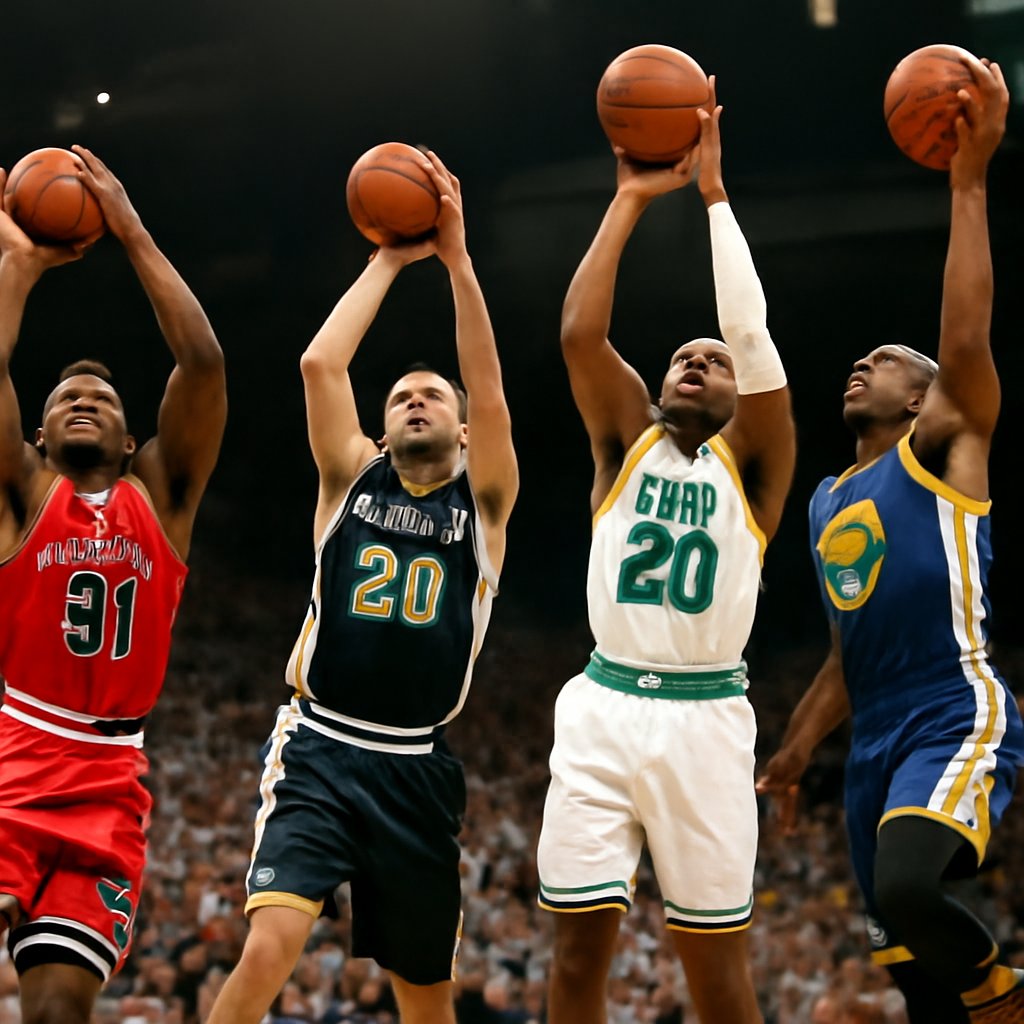
Most valuable role players in NBA history have always been the ones grinding in the shadows, turning solid squads into title teams with that relentless defense, sharp reads, and straight-up sacrifice that don’t always show up in the box score. Superstars get the glory, but these guys decide series by doing the dirty work—switching, screening, and hustling in ways that let the big names breathe. Growing up in the game, I laced up for four years playing college ball, so I know exactly what that feels like, especially in Black communities where basketball has long been our proving ground, a place where you learn early that the real culture lives in the unselfish plays and the way you lift everybody around you.
Defining what makes these players special starts with how they fit without needing the max deal or the spotlight. They lock down the perimeter, crash the glass off the bench, or knock down the corner three when it matters. The advanced metrics back up what any player who’s been in the gym knows—low turnovers paired with high-impact minutes let your stars save gas for the playoffs. Championship squads from the 60s on usually had at least three of these guys posting plus-minus numbers that crushed league average. Defensive rating, assist-to-turnover ratio, and net rating per 36 minutes tell the story beyond points and rebounds. Their ability to switch everything in today’s game or set those physical screens back in the day created openings stars could attack. Hustle numbers like charges drawn and deflections line up tight with series wins, and that tracks with how we used to talk about the game in neighborhood gyms—it’s about the collective, not just one man’s highlight reel.
From the 70s through the 90s, guys like Michael Cooper locked down wings for the Lakers’ Showtime teams, letting Magic and Kareem focus on offense en route to five rings. Horace Grant brought the rebounding and help defense to those Bulls squads, spacing the floor while Rodman handled the boards, and his plus-minus work during the first three-peat cut off second chances. Bruce Bowen later did the same for the Spurs with his on-ball pressure and corner shooting. Earlier, Kurt Rambis added that physical edge for the Lakers, and John Paxson hit the dagger in ’93 off pure catch-and-shoot reliability. These players rarely cracked 12 points a game but posted defensive ratings among the league’s best in their peaks. That kind of specialized impact still resonates in Black basketball culture, where the unsung contributor often carries the same weight as the star back home.
In today’s pace-and-space era, the mold has shifted but the value hasn’t. Draymond Green runs the offense from the five and anchors Golden State’s help defense, letting small-ball lineups thrive across multiple titles. Shane Battier brought spacing and off-ball smarts to Miami and Houston, keeping foul rates low while contesting everything. PJ Tucker and Andre Iguodala added rebounding, perimeter stops, and veteran leadership— Iguodala’s 2015 Finals MVP showed how a role player’s versatility can flip a whole series. These contributors post strong on-off differentials, proving their worth through team success, not individual shine. The numbers don’t lie: Cooper held a defensive rating under 100 in five straight title seasons while averaging under 10 points. Grant posted a career plus-minus of +8.4 per 36 across his Bulls years. Bowen led the league in threes off screens during Spurs runs. Green’s defensive box plus-minus ranks top 15 all-time among sub-15 point scorers. Role players on title teams since 1980 average 22% higher hustle stats in the playoffs, and squads with at least three such players win 68% of their series. Battier shot 42% from three on catch-and-shoot looks during Miami’s run, and net rating bumps from elite role guys often top +10 per 100 possessions in limited minutes.
What separates the truly elite role players from solid contributors comes down to their ability to thrive across multiple dimensions. A guy like Robert Horry, who won three championships with different franchises, understood how to be exactly what each team needed—clutch shooting with Houston, tough perimeter defense with San Antonio, and veteran presence with the Lakers. Horry’s Finals appearances total seven, and his game-winning shots in crucial moments remind us that role players often deliver when the lights shine brightest. Similarly, Tony Allen became the heart of Memphis’s defensive identity despite never averaging more than 10 points per game, racking up All-Defensive honors while his on-ball pressure freed up his teammates to operate. These players earned respect through consistency and execution, traits that translate across eras and systems.
The screening game deserves its own recognition when discussing role player value. Guys like Brook Lopez reinvented themselves as spacers and screeners for championship rosters, while players like Steven Adams brought that old-school physicality to modern offenses. A well-executed pick-and-roll doesn’t always show up as an assist to the screener, but analytics now capture how much gravity these actions create. Teams with elite screeners who set solid, physical picks generate 1.2 to 1.5 more points per possession than average, and that compounds over a season and playoff run. In the 80s and 90s, Karl Malone benefited massively from John Stockton’s screening ability, just as Jrue Holiday now finds easier lanes because Brook Lopez’s gravity pulls defenders away. The unsung nature of screening makes it a perfect example of how role players impact winning without necessarily earning All-Star votes or shoe deals.
Bench depth has also evolved as a marker of championship teams. The golden rule used to be that your bench couldn’t beat you—they just had to hold the line during rotation changes. Now, teams like the Celtics built title runs around bench contributors like Sam Hauser and Luke Kornet who could actually swing games in their favor. Their ability to space the floor while the starters rest means less of a drop-off, and that continuity across lineups has become crucial. The Warriors’ success from 2015 onward relied on a rotating cast of bench pieces—Quinn Cook, Jordan Bell, Kevon Looney—who could execute the system and keep pace. This contrasts sharply with the Jordan-era Bulls, where the bench was thinner but more defensive-minded, reflecting the different strategic needs of their eras.
Leadership intangibles matter just as much as skills for elite role players. Udonis Haslem, who’s been with Miami for two decades, carries weight in locker rooms that doesn’t appear in box scores. James Jones, another Heat lifer, provides both shooting and veteran presence that young rosters lean on. These guys mentor younger players, communicate defensive calls, and maintain standards when games aren’t being played. In that sense, they’re multipliers—their impact extends beyond their own minutes into how everyone else approaches the game. Ask any championship team about their role players, and you’ll hear stories about character, accountability, and the way they set tone. That’s the glue that holds title rosters together.
Championships come from that collective excellence, the specialized skills in defense, spacing, and intangibles that create the real margins. Recognizing these contributors gives the full picture of what builds sustained success, and any team chasing contention still needs that same profile—max efficiency without the ego. Whether it’s a lockdown wing, a stretch five, a crafty playmaker, or a pest on the perimeter, these players remain the foundation upon which championships are built, proving year after year that team success flows through unselfish, high-impact contributors willing to embrace their role.