
Most Impressive NBA Rookie Seasons Analyzed
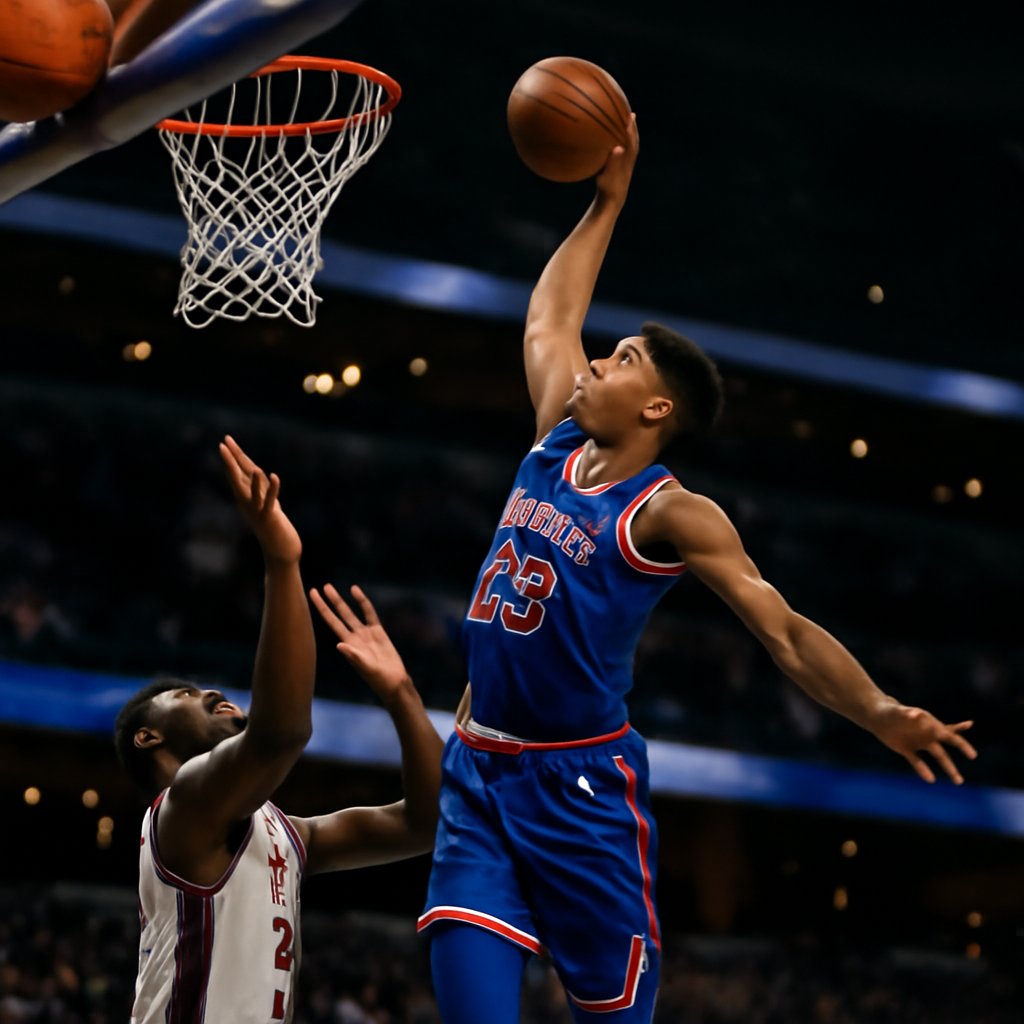
When you talk about those rookie seasons that flipped the script on what a first-year player could do, it hits different if you’ve actually been out there grinding. I laced up for four years playing college ball, so I know what this feels like—the physical toll of carrying a team while your body is still figuring out pro-level contact every night. Wilt Chamberlain’s 1959-60 run, dropping 37.6 points and 27.0 rebounds a game for the Philadelphia Warriors, wasn’t just numbers; it was a physical force that made coaches rewrite the rulebook overnight. The advanced metrics back up what any player who’s been in the gym knows: his 27.8 player efficiency rating showed a level of dominance that changed how defenses had to pack the paint, and in Black American neighborhoods from Philly to the West Coast, that kind of presence meant more than stats—it meant proof that our bodies and our game could reshape the league itself.
What made Chamberlain’s rookie year even more remarkable was the context. He entered a league where integration was still relatively new, yet he immediately commanded respect through sheer dominance. His 48.5 minutes per game average showed the stamina required to maintain that level of production night after night. No rookie since has come close to those rebounding numbers, and few have matched his scoring output in their first season. The physical demands of the game have only increased, making his achievement even more impressive when you consider the modern era’s defensive sophistication and athleticism across the league.
Oscar Robertson came right behind him in 1960-61, the only rookie ever to average a triple-double with 30.5 points, 10.1 rebounds, and 9.7 assists. I remember watching old film and feeling that court vision in my own hands; it wasn’t just playmaking, it was the rare mix of size and basketball IQ that let a guard control the entire floor. That kind of mastery spoke to generations in our communities where hoops has always been the language of survival and excellence, turning overlooked talent into household names. Robertson’s ability to distribute the basketball while maintaining elite scoring efficiency set a standard for multi-positional excellence that influenced how the game evolved. His field goal percentage of 48.3 percent during that rookie campaign demonstrates that he wasn’t just padding stats—he was winning games through intelligent, efficient basketball.
The Big O’s triple-double average remained unmatched for decades, highlighting just how rare it is for a rookie to contribute at an elite level across all major statistical categories. What scouts and coaches recognized was that Robertson possessed a basketball IQ that transcended his physical gifts. He understood spacing, positioning, and how to put teammates in positions to succeed. These qualities are difficult to quantify on a stat sheet but prove invaluable when analyzing lasting impact on winning basketball.
Moving into the modern game, Michael Jordan’s 1984-85 season with the Bulls—28.2 points plus that lockdown defense—turned a struggling franchise around in one year. LeBron James followed in 2003-04 with 20.9 points, 5.5 rebounds, and 5.9 assists, showing a maturity that made veterans take notice. These weren’t just athletic explosions; they carried the weight of expectation that Black players have shouldered since the league’s early days. Jordan’s efficiency rating of 26.0 marked a player who understood the importance of smart shot selection even while carrying a heavy offensive load. His defensive prowess, leading rookies in steals, added another dimension that proved he was a complete two-way threat from day one.
LeBron’s rookie season is particularly fascinating when examined through a modern lens. Coming directly from high school, many questioned whether he could handle the physical and mental demands of NBA basketball. Instead, he became the youngest player to average 20 points and 5 assists, silencing critics and establishing himself as a generational talent immediately. His progression over the season, particularly in the fourth quarter and during crucial moments, showed a learning curve that suggested even greater things ahead.
Luka Doncic’s 2018-19 debut for Dallas put up 21.2 points, 7.8 rebounds, and 6.0 assists, earning unanimous Rookie of the Year while shooting 32.7 percent from three. His step-back created mismatches defenses still haven’t solved. Coming from the EuroLeague, Doncic brought a level of basketball sophistication that challenged the narrative about international prospects needing adjustment time. His poise in high-pressure situations and his craftiness in creating scoring opportunities reminded veterans that this wasn’t just another talented teenager—this was a player with years of professional experience against grown men. The step-back three-pointer that became his signature weapon throughout that season demonstrated creativity and confidence that transcended typical rookie hesitation.
Victor Wembanyama’s rookie blocks per game topping 3.0 added that rim-protecting versatility that forces whole game plans to shift. Standing seven feet four inches tall with incredible mobility, Wembanyama’s defensive impact has been immediate and transformative. His ability to protect the rim while also defending in space creates defensive challenges that modern offenses aren’t equipped to handle. Additionally, his shooting touch for a player of his size—including a three-point range that extends to NBA distance—means that teams cannot simply collapse on him, further expanding the defensive complexity he creates.
Magic Johnson’s 1979-80 campaign stands out for more than the 18.0 points and 7.3 assists—he delivered a championship and Finals MVP for the Lakers, a feat no other rookie has matched. The advanced metrics tell the same story across eras: Oscar Robertson near 25.0 efficiency, LeBron posting 9.1 win shares post-merger, and guys like Ja Morant and Zion Williamson clearing 5.0 win shares in shorter seasons. Those numbers prove impact travels regardless of pace or rules. Magic’s Finals MVP as a rookie—the youngest ever at the time—cemented his legacy before he’d even completed a full season of NBA basketball. He ran the Lakers’ offense with the poise of a 10-year veteran, orchestrating the “Showtime” fast-break offense that would define Los Angeles basketball for the next decade.
Ja Morant’s 2019-20 season with the Memphis Grizzlies showcased explosive athleticism combined with improved court vision as the season progressed. Zion Williamson’s 2019-20 campaign, while limited by injuries, still demonstrated unique physical tools that dominated whenever he took the court. His vertical explosiveness and finishing ability near the rim reminded everyone why he was the number one overall pick. When healthy, Williamson’s combination of size, strength, and athletic ability creates a mismatch against virtually every defender in the league.
In our culture, these moments aren’t isolated highlights; they’re chapters in a bigger story of how the game lifts families and neighborhoods, turning raw physical gifts into legacies that echo far beyond the hardwood. The trajectory of these elite rookies shows that preparation, talent, and the right circumstances create moments that reshape franchises and inspire generations of players to chase excellence from their first moment stepping onto an NBA court.