
Kawhi Leonard Defensive Masterclass Explained
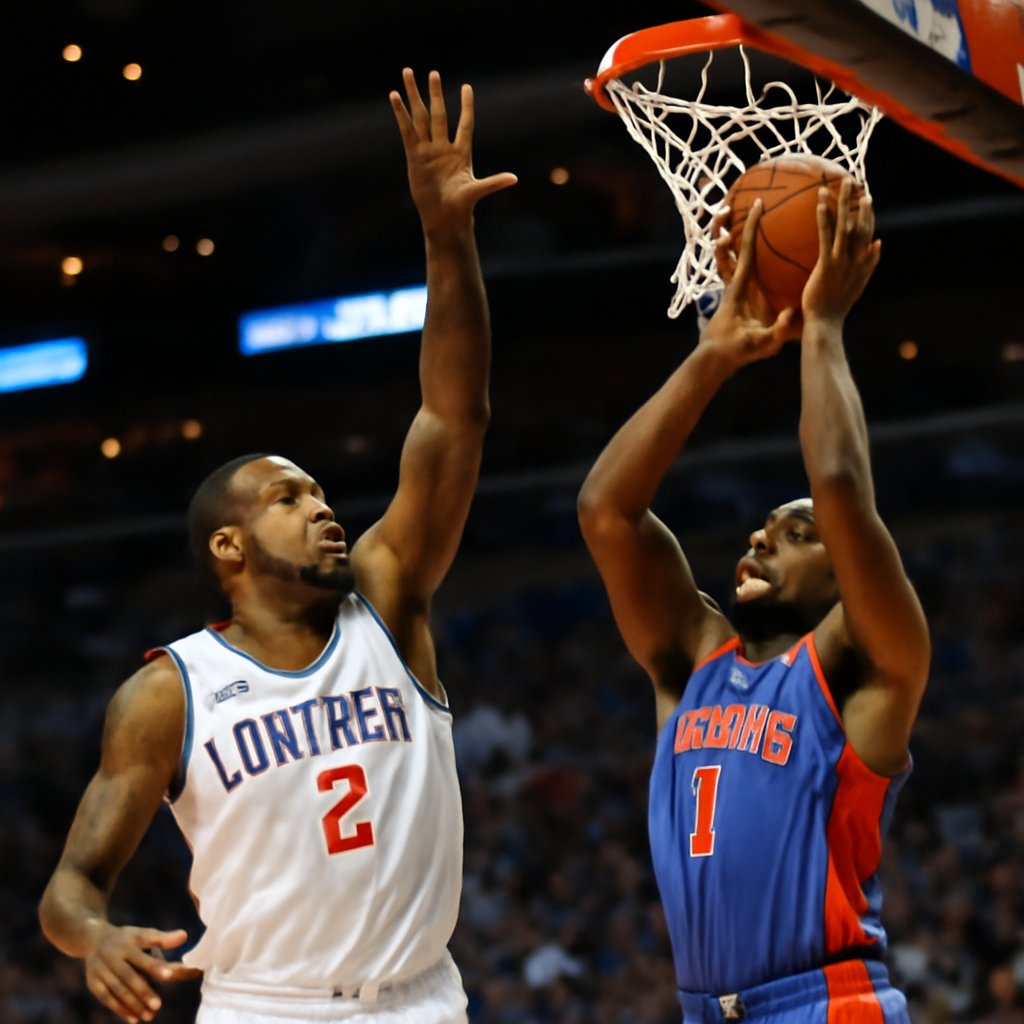
Kawhi Leonard’s defense has always stood out to me because it’s not just about chasing blocks or gambling for steals—it’s that quiet, grinding control that wears guys down possession after possession. I laced up for four years playing college ball, so I know what this feels like when your legs are screaming in the fourth quarter but you still have to stay low and active on every switch. That low center of gravity and active hands Leonard uses? It’s the same stuff we drilled in the gym back home, where Black kids learned early that real respect on the court came from locking somebody up, not just scoring.
His footwork and hand placement let him guard every position without overcommitting, something the advanced metrics back up what any player who’s been in the gym knows: you can’t just rely on athleticism. During his Spurs years under Popovich, Leonard took the toughest assignments night after night, switching onto guards or bigs in pick-and-rolls because the system demanded communication and trust. That preparation and basketball IQ turned every possession into a clinic.
What makes Leonard’s defensive approach so unique is his combination of size, strength, and lateral mobility. At 6’7″ with a 7’3″ wingspan, he has the physical tools that make perimeter defenders dream, but it’s what he does with those tools that separates him from the pack. He doesn’t rely on length to reach across the ball—instead, he positions himself so smartly that most offensive players never get comfortable. His ability to stay attached to ball handlers without fouling comes from understanding spacing and anticipating offensive moves two or three steps ahead. This predictive defense is something that can’t be taught purely through drills; it comes from thousands of hours studying film and competing against elite scorers.
On the numbers side, his defensive real plus-minus and the way he forces opponents into bad shots tell the story. He recovers fast after helping on drives, which is exactly why switching schemes work in today’s game. Post defense is another signature—using strength and leverage to keep guys from getting deep position while deflecting entries without fouling much. I’ve seen how that preserves energy for the long playoff runs that matter most.
Leonard’s hand placement deserves its own deep dive because it’s genuinely a masterclass in subtle technique. His hands are always active but rarely reckless—he flicks at passes without extending into fouls, guides offensive players into tough angles, and uses his long arms to discourage even the most aggressive scorers. Watch film from his peak defensive years and you’ll notice he deflects passes that most defenders wouldn’t even see coming. This isn’t luck; it’s pattern recognition developed through thousands of possessions. He studies how shooters come off screens, where ball handlers like to attack, and which passing lanes opponents favor in certain situations.
The switching versatility Leonard brings to modern NBA defenses can’t be overstated. In an era where teams run pick-and-rolls to attack mismatches, having a wing who can credibly defend everyone from backup point guards to power forwards changes everything schematically. Popovich’s Spurs system maximized this ability, asking Leonard to cover ground across multiple positions and trusting his judgment on whether to play tight or give space. This flexibility became even more valuable with the Raptors and Clippers, where defensive schemes relied on his willingness to go wherever the offense needed him. When he’s on the court, coaches can be more creative with lineups because they know their best perimeter defender can handle virtually any assignment.
In the postseason, that intensity hits different. Back in 2014, his work on LeBron helped flip momentum in the Finals, letting San Antonio switch everything and shut down Miami’s flow. That series showcased Leonard as perhaps the only defender who could make LeBron consistently uncomfortable—not by out-athleting him, but through smothering technique and relentless effort. With the Raptors in 2019, he took on Durant, Thompson, and Green for full possessions, carrying a heavy load that made their everything-switch defense possible. The fact he could guard all five positions in those Finals while holding opponents under 38 percent shooting shows the versatility that separates the greats. His defensive work against Steph Curry in that series was particularly impressive, forcing the sharpest shooter in NBA history into difficult looks without fouling.
Two-time Defensive Player of the Year in 2015 and 2016, 1.8 steals per game for his career, leading the league in defensive win shares one season, and limiting primary matchups to 41.2 percent shooting in tracked playoff games—those numbers line up with what we saw on the floor. Multiple 40-point, 10-rebound playoff outings where his guy still stayed under 20 points, plus a postseason defensive rating that ranked top 10 among wings with big minutes. That’s two-way impact that echoes through Black basketball culture, where defense has always been the foundation of pride from playgrounds to the pros.
What often gets overlooked in discussions about Leonard’s defense is his consistency across different game situations. Whether facing bench units or the opposing team’s best offensive weapon, he brings the same level of intensity and focus. This consistency is rare—many great defenders have peaks and valleys depending on circumstances, but Leonard’s film shows he’s locked in whether the shot clock is winding down or the game is in the opening minutes of a blowout. His steal rate tells part of this story, but not the whole thing; he’s equally effective at simply preventing good shots without the highlight-reel interceptions.
Leonard’s approach keeps shaping how teams build rosters and schemes, proving elite defense comes down to technique, anticipation, and smarts just as much as raw tools. The next generation of wing defenders—Jaylen Brown, OG Anunoby, and others studying his film—are learning that elite defense requires the same dedication and film study that’s expected of scorers. Future defenders will keep studying that film because it shows what it takes to master both ends.