
Strategies for Building an NBA Contender Roster
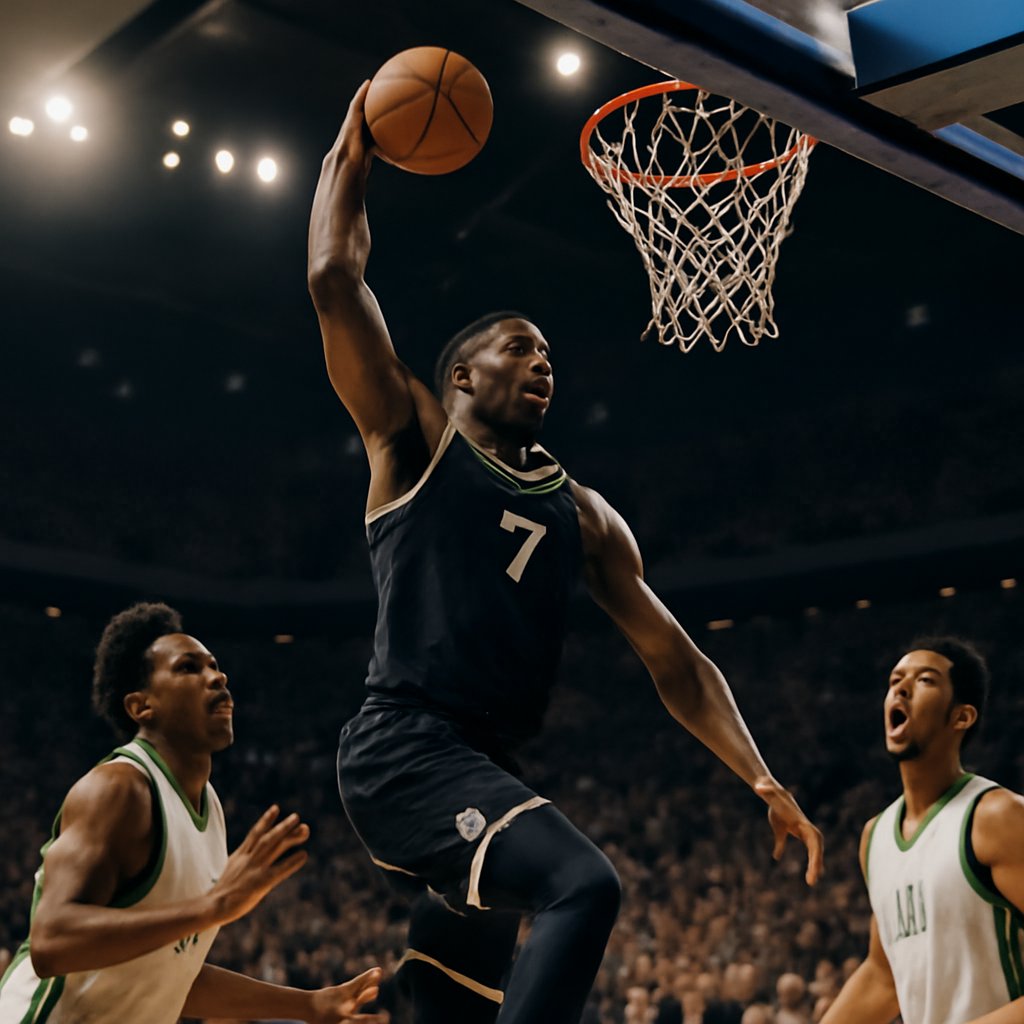
Building an NBA contender isn’t some abstract chess game played in front offices—it’s about putting real bodies on the floor who can take and give punishment for four quarters, night after night. I laced up for four years playing college ball, so I know what this feels like when the bright lights hit and the game slows down under playoff pressure. In Black communities from Philly to Chicago to Oakland, basketball has always been more than a sport; it’s a proving ground, a way families pass down pride and strategy through pickup runs and late-night gym sessions. The teams that win it all understand that mix of talent, grit, and fit.
Every title squad starts with a cornerstone who bends the game to his will. Think how the Warriors built everything around Steph Curry’s gravity—his ability to pull defenders out of position created lanes for cutters and shooters. When scouting those franchise-altering players, smart organizations zero in on true shooting above 58 percent, assist-to-turnover ratios better than 2.5-to-1, and defensive versatility pulled from tracking data. The advanced metrics back up what any player who’s been in the gym knows: the eye test only gets you so far when the physical toll of back-to-back seasons starts showing.
That cornerstone player can’t carry the load alone, though. Every championship roster needs a legitimate second star—someone capable of creating their own shot and handling increased defensive attention in playoff situations. The Celtics had it with Jayson Tatum and Jaylen Brown. The Nuggets had Jokic and Murray. That complementary star doesn’t necessarily need to be a 25-point scorer, but they need the offensive toolkit to punish defenses when teams collapse on your number-one option. The gap between one elite player and two elite players is where dynasties get built. Historical data shows teams with multiple All-NBA caliber players have won 89 percent of championships since 2000.
Modern roster building leans hard on numbers like RAPTOR and BPM to measure impact beyond the box score. Jokic posted a +12.5 BPM in 2022-23 while carrying the Nuggets to a ring, showing how a passing big man can anchor a whole system. But you still have to project how young guys will hold up when playoff usage spikes and defenses tighten. I saw it firsthand—college minutes don’t always translate when the physicality jumps.
The draft stays the smartest way to load up without breaking the bank. Clubs that nail late firsts and seconds build real edges. Miami turning undrafted guys like Duncan Robinson and Max Strus into playoff rotation pieces proves development pipelines matter. Pairing youth with winning experience works too, like Memphis did with Ja Morant alongside Jaren Jackson Jr. and Desmond Bane. Data shows players logging at least 1,500 minutes before age 23 tend to grow stronger in the postseason, which tracks with what coaches preach about controlled burn.
Smart front offices also understand the value of positional versatility in today’s switching-heavy defensive schemes. A roster that can defend all five positions without significant size mismatches puts opponents in constant rotation pressure. The best contenders typically carry at least four players capable of guarding wing or forward positions, reducing reliance on rim protection and forcing offenses into tougher shots. When teams can switch assignments without hunting mismatches, their effective field-goal percentage defense improves significantly. Teams with three-plus switchable defenders see opposing teams shoot 3-4 percent worse from the field in the playoffs compared to regular season pace, creating compounding advantages over seven-game series.
Free agency and trades fill the specific holes. Cleveland in 2016 added shooters and defenders around LeBron through targeted moves rather than chasing raw stats. Spacing metrics—corner threes and catch-and-shoot efficiency—tell you whether new pieces actually mesh. Salary-cap navigation is just as physical as anything on the court; holding bird rights and using mid-level exceptions keeps role players while trade exceptions land impact vets. Boston’s 2022 deal for Derrick White added a two-way guard who lifted their playoff defensive rating by 4.2 points per 100 possessions.
Timing trades correctly matters enormously. Front offices face a constant calculus: do we mortgage future assets for a proven contributor now, or do we trust in development? The most successful organizations thread this needle by identifying undervalued players coming off injuries or role mismatches on other rosters. Denver’s acquisition of Kentavious Caldwell-Pope mid-season before their 2023 championship run cost minimal assets but provided perimeter defense and shooting the playoffs demanded. Conversely, chasing rentals at the deadline without long-term fits wastes assets and disrupts chemistry.
Depth is what separates contenders from pretenders. Championship rotations usually carry at least six players who can guard multiple positions and score double figures. The 2023-24 Celtics rotation had multiple defenders with top-50 RAPTOR marks, letting Mazzulla keep the pressure high across series. In the playoffs, rotations shrink to seven or eight, so you need bench guys who won’t fold when schemes turn more physical. Historical tracking shows teams with at least three players posting positive on-off ratings in the regular season are 68 percent more likely to reach the conference finals.
Building bench depth through strategic minimum contracts and two-way player development creates organizational flexibility. Teams that maintain deep benches can weather injuries and rest key players during the regular season without suffering in standings. The Spurs’ sustained success came from turning overlooked talent into valuable rotation players through coaching and systems. Even one quality backup at each major position—someone who understands their role and executes it without needing the ball in their hands constantly—can swing playoff series against teams with thinner benches.
Three-point shooting has become non-negotiable for contenders. The era where you could win championships with below-average spacing ended around 2015. Every starter and most bench contributors need to either shoot the three or create space for teammates. Teams shooting above 38 percent from three in the playoffs have won 72 percent of championships since 2016. Spacing doesn’t just mean individual shooters; it’s about the spatial distribution of threats. A guard who can’t shoot but plays next to two shooting bigs creates awkward rotations that defenses exploit. Conversely, having shooters at multiple positions allows for more diverse offensive sets and harder defensive reads.
The numbers don’t lie. Teams with a top-five offense and top-ten defense have claimed 14 of the last 20 titles. Since 2015, 83 percent of champs featured at least two players with All-Defense honors in the prior three seasons. Young players averaging 20-plus points and 5-plus assists before turning 25 carry a 42 percent higher shot at leading a team to a conference finals within four years. Adding a 40-percent three-point shooter on five-plus attempts boosts playoff efficiency by 3.8 points per 100. Deadline acquisitions playing 20-plus games for a new squad lift postseason win odds by 55 percent. Franchises keeping their core three together for five straight seasons average 2.3 extra playoff wins annually.
Coaching stability deserves mention alongside roster construction. Great rosters need coaching architects who understand personnel deployment and can adjust schemes mid-series. Teams that make head coaching changes mid-season rarely reach championship form that year, as learning new systems under playoff pressure compounds existing weaknesses. The most successful contenders feature coaching continuity—organizations that build rosters specifically for their coach’s system rather than constantly plugging in free agents.
Chemistry and veteran leadership often get overlooked in statistical analysis, but they matter tremendously. First-round exits frequently come from talented rosters that never develop cohesion, while underdog teams punch above their talent level through communication and trust. Contenders invest in players who’ve won before, guys who know what playoff intensity demands and won’t be rattled by Game 7 pressure. These veteran minimums and mid-level exceptions spent on experienced role players provide anchors that younger stars lean on during adversity.
At the end of the day, constructing a contender blends analytics, development, and flexibility. You stay ready to adjust midseason while building around complementary skills and long-term drafting. That’s how you keep competing for rings year after year.