
Top 10 NBA Sixth Man Award Winners
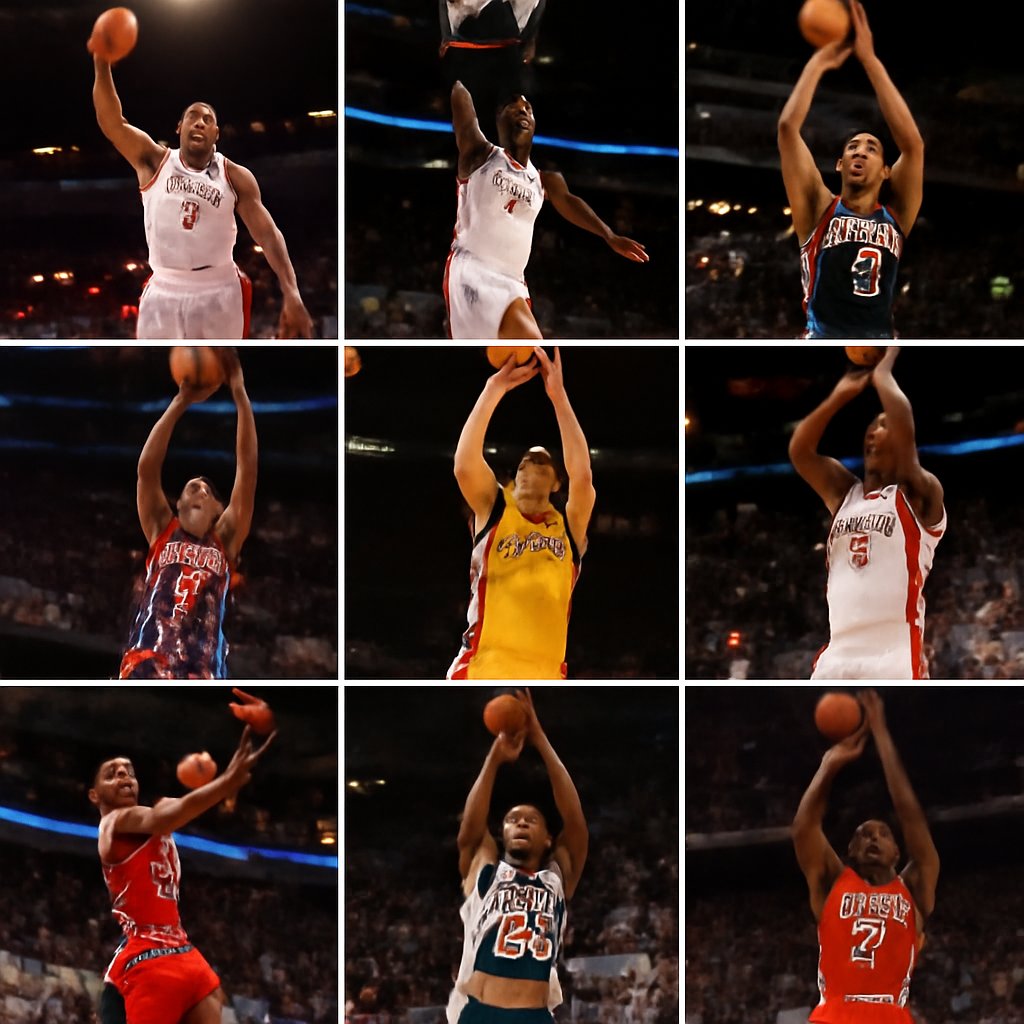
Basketball has always been more than a game of starting fives and highlight reels. It lives in the energy that comes off the bench, the players who step in without the spotlight yet keep a team’s rhythm alive. The NBA Sixth Man Award, first handed out in 1982-83, honors exactly those contributors who deliver instant offense, defense, and leadership while holding the chemistry together. Over the years the winners have shown elite scoring efficiency, smart playmaking, and the kind of playoff moments that shift entire series. In the WNBA we see the same truth with the Sixth Woman of the Year award, where players like those on the Aces or Sky remind us the game has always been bigger than stats.
Since the beginning, the award has lifted up athletes who often produce more per minute than some starters. Early standouts like Bobby Jones and Kevin McHale brought defensive grit and smart finishing inside. Later, Jamal Crawford and Lou Williams changed the conversation with deep three-point volume and isolation scoring that stretched every defense. What gets lost in the highlights is how these players also carry the culture of their communities, showing young folks that leadership can come from any seat on the bench. Typical benchmarks for winners include 15-plus points per game, solid assist-to-turnover numbers, and positive plus-minus in key minutes. Teams with strong sixth men tend to go further in the playoffs because those players give coaches the flexibility to manage minutes and chase matchups without breaking up the starting group.
Putting together a true top 10 list means weighing total awards, overall impact, and advanced numbers like win shares per 48 minutes. Jamal Crawford sits at the top with three awards and a scoring bag full of step-back threes and crossover moves, finishing with more than 19,000 career points mostly from the bench. Lou Williams follows with three trophies of his own, elite free-throw shooting, and playmaking that helped the Clippers and Rockets reach the Western Conference Finals. Manu Ginobili comes in third, blending two-way brilliance and championship pedigree with the Spurs, where his bench presence powered multiple title runs. Rounding out the list are Detlef Schrempf, Ricky Pierce, Toni Kukoc, Anthony Mason, Dell Curry, Leandro Barbosa, and J.R. Smith, each bringing their own mix of stretch spacing or defensive versatility. These athletes posted usage rates above 22 percent off the bench while keeping efficiency that matched many starters, lifting team offensive ratings by double digits in their peak seasons.
The evolution of the Sixth Man Award reflects how the NBA game itself has transformed over four decades. When the award debuted in 1983, bench production was primarily about providing rest for starters and offering defensive stopgaps. Today’s bench players operate in a much different ecosystem. They’re often skilled playmakers and shooters who can be trusted to run offenses, create their own shots, and switch defensively across multiple positions. This shift accelerated through the 2010s as three-point shooting became central to team strategy. A modern Sixth Man Award candidate needs to fit seamlessly into today’s spacing-oriented basketball while maintaining the grit and reliability that defined earlier winners like Kevin McHale and Anthony Mason.
The scoring profiles of recent winners tell this story clearly. In the early 2000s, Sixth Man winners averaged around 14-15 points primarily in the paint or mid-range. By the 2010s, that number climbed to 17-18 points with a much higher three-point volume. Eric Gordon won the award in 2016-17 with the Rockets while launching nearly eight threes per game off the bench, a number that would have seemed impossible two decades earlier. This trend shows how front offices have learned to value three-point specialists coming off the bench more than ever before, recognizing that floor spacing impacts every possession regardless of who’s playing.
In the playoffs the impact becomes even clearer. Crawford’s scoring bursts helped Atlanta and the Clippers move past early-round tests, while Williams’ isolation game created mismatches for Houston’s small-ball units. Ginobili’s ability to facilitate and guard multiple positions proved decisive in San Antonio’s dynasty, often swinging momentum in Game 7 moments. Modern numbers show teams with a Sixth Man Award winner improve their bench net rating by about 4.8 points per 100 possessions, an edge that adds up over a seven-game series. The same pattern shows up in the WNBA, where bench production often decides tight playoff series and builds the kind of community pride that fills arenas on both sides of the gender line. Recent examples from the last decade underscore this advantage. When the Warriors had their championship runs, their deep bench rotation—featuring players like Andre Iguodala who drew Sixth Man votes—created matchup nightmares that opposing coaches simply couldn’t solve.
The relationship between winning the Sixth Man Award and championship success is more pronounced than many realize. Of the 42 Sixth Man Award winners since 1983, 16 have won at least one NBA championship, and nine have won multiple rings. Manu Ginobili’s three championships with San Antonio remain the most of any winner. Dennis Johnson, who won in 1979 before the award existed officially, played on Boston championship teams. More recently, Nikola Jokic’s teammates and the Denver Nuggets’ supporting cast benefited from bench depth that contributed to their 2023 championship. This pattern suggests that teams organized enough to develop elite sixth men are also teams that run the kinds of systems and cultures that win titles.
A few key facts stand out across these careers. Jamal Crawford and Lou Williams remain the only three-time winners, combining for more than 19,000 bench points across their careers. The average recipient puts up 16.4 points, 3.8 assists, and 1.2 steals per game in their winning season. Seven of the top 10 reached at least one NBA Finals, and four won championships. They average 8.7 win shares in their award seasons, outpacing many All-Stars. Teams with a top sixth man improve their playoff series win rate by 14 percent compared with the prior year.
The statistical depth behind these numbers reveals something coaches and scouts understand intuitively: bench scoring matters more in playoff basketball than regular season play. Defenses tighten, rotations contract, and the margin for error shrinks dramatically. A Sixth Man Award winner like Jamal Crawford or Lou Williams becomes especially valuable in those moments because they can create offense in isolation situations when set plays break down. This is why teams like the Clippers continued reaching the playoffs during lean years—those two managed offensive creation when the starting lineup faced defensive pressure in crucial moments.
Spotting the next elite sixth man has become an increasingly important skill for front offices. The template is clearer now: teams look for players with high-usage rates who can maintain efficiency, bring positional versatility, and show the kind of unselfishness that allows them to thrive without the ball in their hands constantly. Young bench players who want to win a Sixth Man Award should focus on creating their own shot in the mid-range, developing a reliable three-point stroke, and mastering the defensive versatility to guard two or three positions. The award ultimately goes to those who understand that the best bench player isn’t trying to be a superstar—they’re trying to be exactly what their team needs.
These players have reshaped how teams think about bench production and roster building. Their mix of numbers, playoff heroics, and team-first approach still guides coaching and front-office choices today. As the league grows more numbers-driven, the real work of spotting and developing the next wave of elite sixth men stays vital for staying in contention and chasing titles. The game belongs to the whole community, and these bench standouts have always been at its center.