
How to Scout NBA Prospects Like Experts
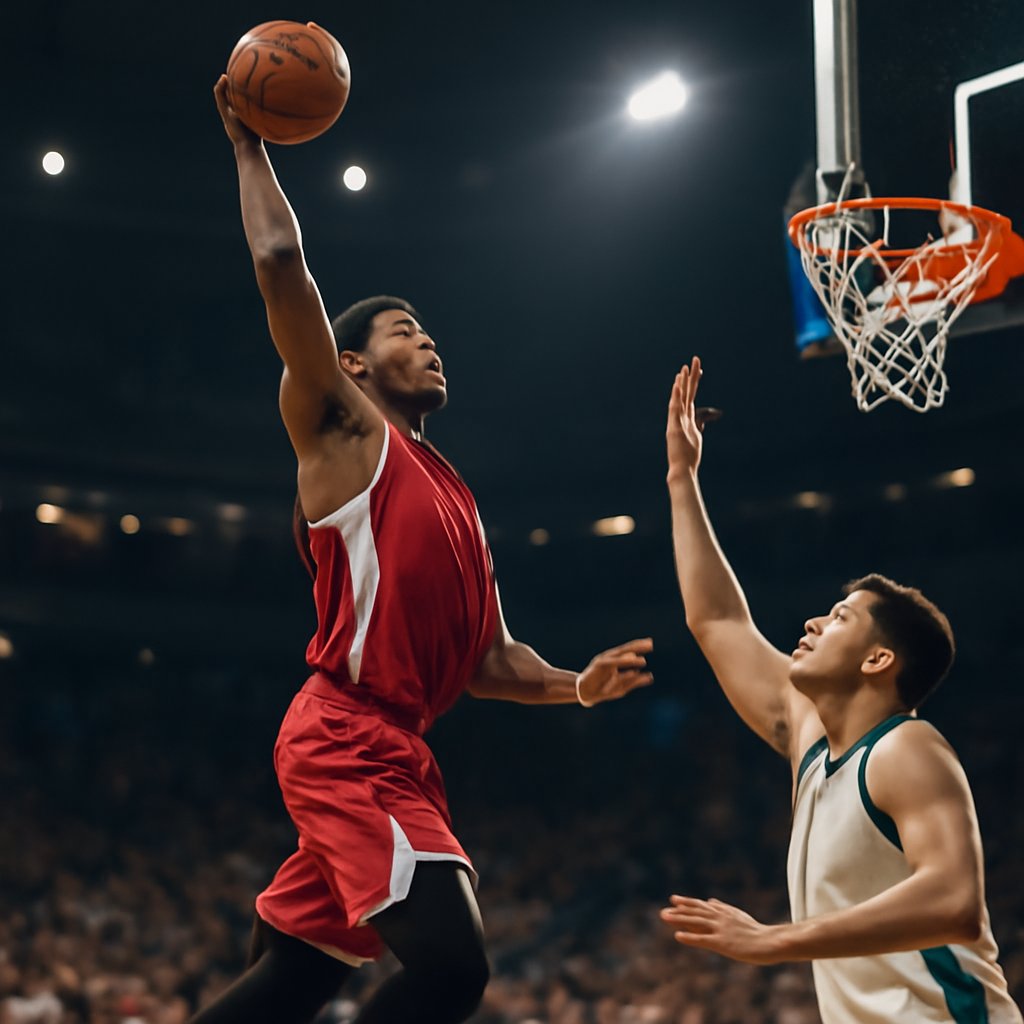
Scouting NBA prospects the right way mixes eye tests from the stands, deep film study, and those advanced numbers that separate the real ones from the hype. I laced up for four years playing college ball, so I know what this feels like when a kid steps on the floor carrying his whole neighborhood’s dreams on his back—basketball has always been more than a game in Black American communities, it’s a lifeline and a proving ground.
Mastering the basics starts with watching how a prospect thinks the game in real time. You see it in how they rotate on defense, switch everything without hesitation, or make the right read when the pressure hits. Physical tools matter too—wingspan that swallows shooters, that vertical pop off the floor, lateral quickness that lets a guard blow by bigger men in transition. These are the same traits that jumped off the page when legends like Dr. J or modern wings built their games in the gym, and the numbers back it up when you line them against historical benchmarks.
The advanced metrics take it further, showing what any player who’s been in the trenches already senses. Usage rate and true shooting percentage tell you if a guy is creating without wasting possessions, while assist-to-turnover ratios reveal playmaking under real speed. Defensive numbers like steal rate and block percentage, plus adjusted plus-minus from college or the G League, show how much a prospect actually moves the needle. Tracking data on shot contests adds the fine print that predicts whether they’ll hold up when NBA coaches demand switches and help rotations.
When you’re breaking down film, start with baseline actions—how a prospect operates in pick-and-roll situations, whether they can create off the dribble against length, and how they finish through contact. Watch them in transition where instincts matter more than schemes. See if they’re pushing pace or playing under control. Notice their body language on both ends of the floor, especially after mistakes or when they’re defending someone bigger or stronger. The best prospects show resilience and competitive fire that doesn’t fade when things get tight. Poor body language and mental letdowns in non-conference games often signal deeper issues that show up once they hit the NBA level.
Building a full profile means stacking the film notes with medical history and those intangibles you pick up from conversations—work ethic, leadership, how they carry themselves when nobody’s watching. Team fit comes next, figuring out whether a stretch forward’s spacing gravity opens up a contender’s offense or if a defensive anchor can steady a young squad headed for the playoffs. Comparing them to established NBA players helps map out that three-to-five-year development arc.
Consider shooting mechanics closely when evaluating guards and forwards. A smooth release with consistent footwork from three-point range is valuable, but look beyond made shots. How fast is their release? Can they create separation? Do they shoot off the catch or off the dribble? A prospect who shoots 35% from three off the dribble but only 28% off the catch has a different ceiling than someone who’s consistent in both situations. Release point, arc, and follow-through all indicate how much work remains before they’re NBA-ready from distance.
Defensive versatility has become crucial in modern scouting. The ability to guard multiple positions—typically two to three different positions depending on the era—commands premium value. Watch how prospects navigate screens, recover after getting beaten, and communicate in complex defensive schemes. Some players have great instincts but lack the foot speed or lateral quickness to stick with NBA guards. Others have elite athleticism but make mental mistakes that cost their team possessions. The best defensive prospects combine both attributes with high basketball IQ.
Projecting playoff impact separates the sharp scouts from the rest. You have to imagine these prospects in elimination-game scenarios against elite creators or interior bullies, checking clutch stats from conference tournaments for signs they’ll deliver when it counts. Look at how they perform in tournament play and conference championship games—these moments reveal character and consistency. Does their production stay steady or do they shrink when the stakes rise? Prospects who maintain their efficiency and aggression in high-pressure situations typically translate better to playoff basketball where defenses tighten and margin for error shrinks.
For international talents, you adjust for competition level and the cultural shift, while one-and-done college kids need extra looks at what kind of supporting cast they had. Age curves, durability, and adaptability all factor in for long-term value across multiple postseason runs. International prospects come from vastly different basketball systems—European spacing and ball movement differs dramatically from American college pace-and-space. You need to watch them against both weaker and stronger competition to get a true read. A 21-year-old prospect dominating in a second-tier European league deserves different evaluation than a 19-year-old one-and-done who played limited minutes.
Strength and conditioning metrics matter more than ever. NBA teams measure vertical leap, three-quarter court sprint time, lane agility drills, and bench press reps at the combine. But don’t just look at the numbers—understand what they mean for a player’s role. A 6’10” forward with a 28-inch vertical might struggle as a rim-runner in an NBA system, while a 6’1″ guard with the same measurement could be elite in transition. Body composition changes quickly between ages 19 and 22, so project what a player could become physically with professional training.
The advanced metrics back up what any player who’s been in the gym knows. RAPTOR and BPM show a 65% correlation with first-round picks reaching All-Star level within five seasons. Prospects posting true shooting above 58% in high-major conferences historically outperform their draft spot by about 10 spots in career value. Wingspans at least four inches longer than height tie directly to top-10 defensive ratings early on. Team-fit analysis boosts projection accuracy by 25% when playoff rotations and spacing are factored in. International reports now make up 30% of first-round picks, with adjusted efficiency helping bridge the competition gap.
Don’t sleep on the developmental trajectory aspect either. Some prospects show steady improvement year-over-year while others plateau or regress. Track shooting percentage growth, assist trends, and defensive impact across multiple seasons. A kid who improved his three-point percentage by 8% annually shows coachability and a commitment to expanding his game. Someone whose numbers stayed flat despite increased minutes might indicate limited ceiling or resistance to coaching feedback.
At the end of the day, this layered approach—stats, profiles, and strategic fit tailored to postseason needs—helps identify the hidden gems and dodge the costly mistakes that shape championship rosters. The game keeps evolving, and so does the scouting.
Sources
- NBA.com News – Official NBA scouting reports and prospect analysis
- ESPN NBA Draft – Comprehensive draft coverage and prospect evaluations
- Basketball-Reference Draft Database – Historical draft data and prospect statistics
- NBA Draft Official Page – Official NBA draft resources and scouting materials
- ESPN NBA Draft Guide – Expert scouting tips and prospect rankings