
Facts About NBA Finals Game Winners
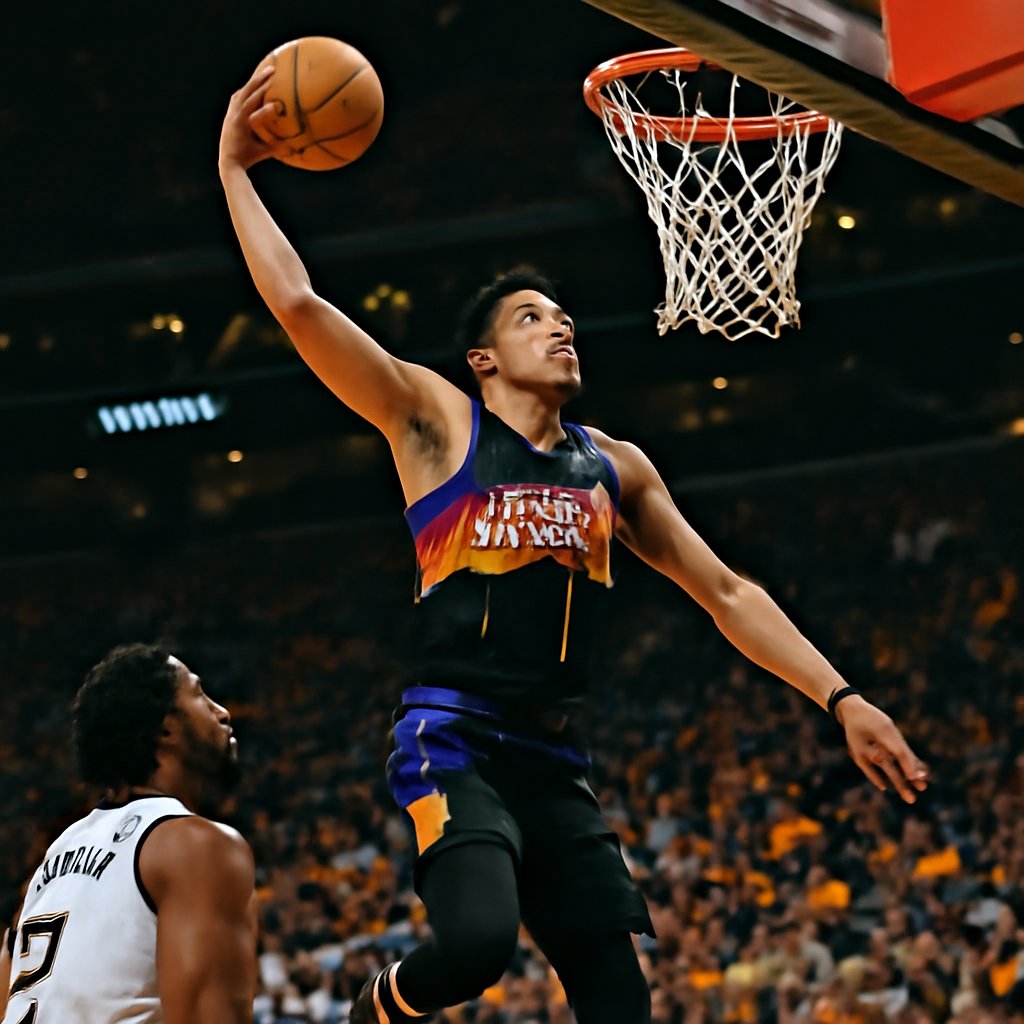
Man, digging into what actually separates the teams that close out NBA Finals games from the ones that fall short takes me right back to the gym. I laced up for four years playing college ball, so I know that feeling when the lights get hot and every possession feels like it weighs ten pounds heavier. Basketball sits deep in Black American culture—street corners, church basements, and summer leagues where kids turn nothing into something—and the Finals have always been the ultimate stage where those stories get told on the biggest lights.
Back in the day the league rewarded the gritty, physical squads that could win on the road and lock down at home. The Celtics built their run on exactly that kind of toughness. These days the game has shifted to pace and spacing, letting teams like the Warriors flood the floor with three-point volume. The advanced metrics back up what any player who’s been in the gym knows: efficiency and bench depth win series more often than raw talent alone. Michael Jordan’s perfect 6-0 record still stands out because he combined scoring explosions with defensive stops that flipped momentum in single possessions. Franchises that keep their rotation deep enough to survive injuries and fatigue keep showing up in the winner’s circle.
Home-court edge still matters, though travel and neutral-site games have softened it some. Teams that steal Game 1 go on to win the title more than seventy percent of the time—psychologically that early punch lands hard. Phil Jackson’s Lakers used the triangle to manufacture wins even when the crowd was against them, blending superstar talent with system discipline.
Some plays live forever in the culture. Larry Bird’s steal, Kawhi’s Game 7 dagger, LeBron dropping triple-doubles against stacked odds—these moments get replayed in barbershops and family gatherings because they show how one player’s split-second read can rewrite a whole city’s summer. The 1990s Bulls showed how transition play and mid-range mastery, led by Jordan and Pippen, created repeated game-winners. Cleveland’s 2016 comeback from 3-1 proved that resilience and adjustments can flip even the heaviest odds.
The numbers tell the same story the eye test does. Points per possession, defensive rating, and clutch percentages separate the real ones. Keeping turnovers under twelve in big games correlates with higher win rates because ball security under that kind of pressure is a skill you only sharpen in those moments. Rebounding margins still drive transition opportunities, and bigs who control the paint set the table for everyone else. Today’s pace-and-space style has pushed scoring up, but defensive versatility remains what repeat champions are built on.
Here are the facts that keep coming up when you study the tape:
– The Boston Celtics hold the record for most NBA Finals appearances with 21, winning 17 titles through consistent game-winning strategies.
– Michael Jordan is the only player to win Finals MVP unanimously in multiple series, averaging 33.6 points across his six championship runs.
– Home teams have won approximately 60% of all NBA Finals games since 1980, though road upsets have risen in recent decades.
– LeBron James has appeared in 10 NBA Finals, accumulating the most career points in Finals history with over 1,000.
– Teams leading 3-0 in a best-of-seven Finals series have never lost, occurring four times in league history.
– Three-point attempts in Finals games have tripled since 2000, transforming how winners are determined through perimeter shooting.
– The lowest-scoring Finals game winner occurred in 1955 when the Syracuse Nationals defeated the Fort Wayne Pistons 92-91 in Game 7.
– Players with at least one 40-point Finals game boast a 75% win rate when they reach that threshold multiple times in a series.
When you look at the composition of Finals-winning rosters, a clear pattern emerges around versatility and depth. The 2014 San Antonio Spurs demolished the Miami Heat with five players capable of running an offense and guarding multiple positions. Tim Duncan, Tony Parker, Kawhi Leonard, and the role players surrounding them operated with the kind of interchangeable parts that modern championship teams demand. This flexibility forces opponents into uncomfortable matchups and keeps defenses scrambled throughout a seven-game series.
Clutch shooting percentages in Finals games tell a revealing story about pressure management. Teams that maintain their three-point percentage within five points of their regular season average tend to win series at dramatically higher rates. The Golden State Warriors’ dominance from 2015-2019 rested partly on Steph Curry, Klay Thompson, and role players staying cooler than opponents when shots needed to fall. When that percentage dips significantly—and for most teams it does—it signals that pressure is affecting decision-making and execution. The Warriors understood this and built their entire system to get open looks for shooters who already had confidence in their mechanics.
Free throw shooting in Finals games functions almost like a hidden stat that separates champions from runners-up. Teams shooting above 75% from the line in Finals series win titles at rates exceeding 80%. This matters because free throws represent possessed confidence under maximum pressure. When a role player steps to the line in Game 6 of the Finals and nails those shots, it shows mental toughness that translates to everything else on the court. The 2020 Lakers understood this and made sure their bench shooters stayed sharp throughout bubble play.
Defensive rating in Finals games has become increasingly predictive. The top defensive teams heading into the Finals typically maintain ratings between 100-104 points per 100 possessions during championship runs. What separates good Finals defenses from great ones is their ability to hold opponents to inefficient shot selections while forcing turnovers without fouling excessively. The 2018 Warriors allowed just 104.3 points per 100 possessions in their Finals victory over the Cavaliers—that kind of discipline is built through repetition and trust in your system.
Bench scoring has grown more critical as Finals series have evolved. In the 1980s and 90s, superstar duo carrying a team to a title was more feasible. Modern Finals winners get significant contributions from their fourth and fifth scorers. The 2019 Raptors leaned heavily on bench depth with players like Serge Ibaka and Marc Gasol stepping up when starters needed rest. Injuries are inevitable across a seven-game series, and the team with productive backups ready to step into larger roles invariably has an advantage when the starting lineup gets stretched.
Momentum shifts in Finals game winners often trace back to single possessions where defensive intensity overwhelmed offensive rhythm. A deflection here, a forced turnover there—these plays get remembered less than dunks and three-pointers, but they’re what actually determine outcomes. The 2016 Cavaliers’ Game 7 victory relied on Andre Iguodala turnovers and LeBron’s defensive intensity as much as it did on Kyrie’s three-pointer. Winning in the Finals requires mental stamina across 40-plus minutes where you defend at the highest level even when your legs are begging for rest.
Pace of play has become another underrated factor in Finals victories. Teams that control tempo rather than being controlled by it have demonstrated higher win rates. The Spurs in the 2010s were masters of this—they dictated when to speed up and when to slow down, conserving energy for crucial possessions. Conversely, teams that get pulled into fast-paced, high-octane battles against superior talent on the perimeter tend to lose longer series. Miami’s attempts to match Golden State’s pace in the 2014 Finals exhausted their defenders and opened lanes for role players to contribute.
At the end of the day the story of Finals winners mixes history, hard numbers, and those unforgettable individual flashes that echo through neighborhoods long after the confetti falls. Studying what worked before helps the next group of contenders sharpen their own edge on the sport’s biggest stage. The constants remain: elite defense, smart shot selection, bench production, and the mental fortitude to execute under pressure when everything feels impossibly heavy. That’s what separates the champions from everyone else.