
Luka Doncic Triple Double Dominance Breakdown
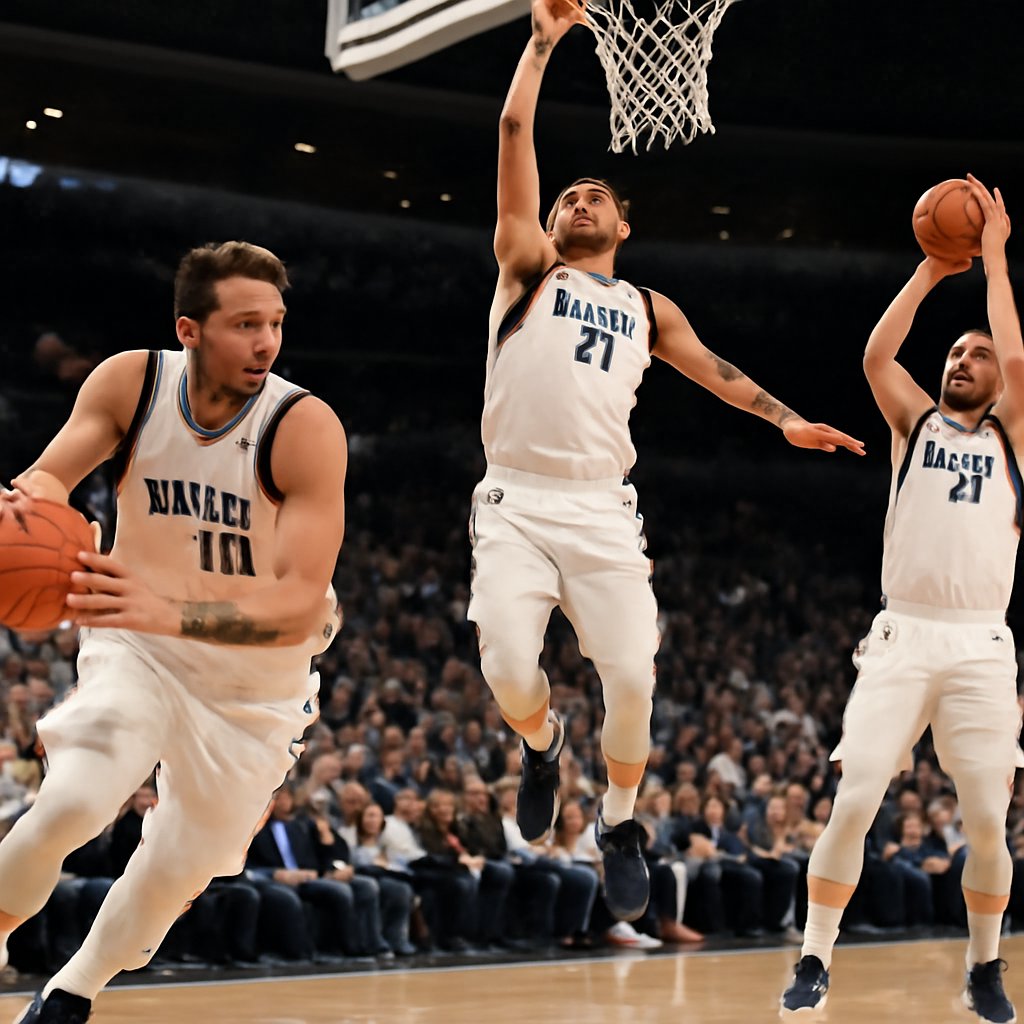
When Luka Doncic steps onto the court for the Dallas Mavericks, his triple-double nights remind us why basketball has always been bigger than stats. Since entering the league in 2018, he has built an extraordinary run of these performances, growing from a promising rookie into a perennial MVP candidate. In his first two seasons combined he posted 17 triple-doubles, a pace few young guards have matched. By the 2023-24 campaign he had surpassed 60 career triple-doubles, placing him among the league’s all-time leaders despite playing fewer seasons than most historical peers. These numbers reflect raw talent, yes, but also an instinctive feel for pace and spacing that lets him control games from every angle.
What gets lost in the highlights is how his assist-to-turnover ratio above 3-to-1 in those outings shows elite decision-making under pressure. At 6-foot-7, his rebounding totals often top seven per game in triple-double contests, a remarkable feat for a guard who starts fast breaks instead of camping near the rim. In those same games he averages nearly 30 points alongside the double-digit rebounds and assists. The game has always been bigger than stats, and Luka’s ability to fill the sheet night after night creates versatility that lifts the whole team offense while reshaping defensive schemes.
Breaking down the signature performances reveals clear patterns. When he grabs at least 10 rebounds, his three-point attempts typically rise by 15 percent because defenses collapse inside. That opens catch-and-shoot looks for teammates like Kyrie Irving and Tim Hardaway Jr. The Mavericks’ offensive rating jumps nearly 10 points per 100 possessions on those nights, largely because Luka reads coverages in real time. Standout regular-season examples include his 40-point, 10-rebound, 10-assist masterpiece against the Los Angeles Lakers in 2023, shot at 60 percent with just two turnovers, and the 35-point, 12-assist, 11-rebound outing versus the Phoenix Suns that forced opponents to adjust schemes league-wide.
Translating that regular-season dominance into the playoffs has been the next chapter. In the 2022 postseason he delivered multiple triple-doubles on the way to the Western Conference Finals, including a historic 40-point, 11-rebound, 10-assist line against the Suns. Those nights show how his precise pocket passes and kick-outs create open threes for everyone else. Bigs like Dereck Lively II benefit from better positioning because Luka’s gravity pulls help defenders away from the rim. Even on the defensive end, his 1.2 steals per game in playoff triple-double outings disrupt transition attacks, and the Mavericks’ defensive rating improves when he reaches double figures on the boards.
The numbers tell part of the story: over 65 career triple-doubles through 2024, career averages of 29.4 points, 10.8 rebounds, and 10.2 assists in those games, 21 triple-doubles in the 2023-24 regular season alone, seven playoff triple-doubles with a 5-2 record, and the Mavericks outscoring opponents by 14.7 points per 100 possessions when he achieves one. He also leads active players in triple-doubles by a guard under 26, while shooting 38 percent from three in those outings. Yet the real impact lives in the community, the same way WNBA stars have long shown that all-around dominance inspires the next generation across both leagues. Luka’s mastery keeps the Mavericks in contention while reminding young players everywhere that basketball’s greatest gift is how it lifts everyone around you.
Comparing Luka’s triple-double frequency to historical benchmarks provides crucial context for understanding his elite status. Oscar Robertson, the legendary “Big O,” famously averaged a triple-double for an entire season in 1961-62, setting the standard by which all-around excellence is measured. While Luka hasn’t matched that season-long consistency, his pace of accumulating them over multiple seasons rivals some of the greatest ball handlers in NBA history. Magic Johnson and Larry Bird each recorded numerous triple-doubles during their Hall of Fame careers, yet both played in different eras with different spacing dynamics. Luka’s ability to post triple-doubles in a modern three-point heavy league demonstrates adaptability that Robertson, Magic, and Bird all possessed in their respective periods.
What makes Luka’s triple-double nights particularly impressive is the consistency with which he maintains efficiency while facilitating for others. Many players who accumulate triple-doubles sometimes sacrifice shot selection or force plays that lead to turnovers. Luka, conversely, manages to elevate his teammates’ production while remaining one of the most dangerous scorers in the league. His pocket passing—those precise, one-handed throws delivered while moving—has become a signature element of Mavericks offense during these performances. Opponents often struggle to account for his willingness to swing the ball to open shooters rather than force iso situations, making Dallas’s half-court sets significantly more dangerous.
The psychological impact of knowing Luka can dominate in multiple statistical categories simultaneously also matters enormously for team morale and opponent confidence. When the Mavericks fall behind, having a player capable of catalyzing comebacks through assists and rebounds—not just scoring—provides a genuine pathway to victory. Conversely, opposing teams recognize that shutting down Luka’s scoring often means he’ll hurt them through distribution, creating a no-win scenario for defensive schemes. This paradox forces coaches to choose between aggressive on-ball defense that opens passing lanes or conservative coverage that allows easier scoring opportunities.
Luka’s rebounding prowess during triple-double games deserves special attention because it distinguishes him from pure point guards. His length and athleticism allow him to crash the glass against taller opponents, initiating fast breaks that set up his most explosive offensive sequences. The physics of his rebounding also matter—by securing boards near the wing or top of the key rather than the paint, he positions himself perfectly for outlet passes that turn into quick scoring opportunities. This skill set represents a modern evolution of guard play, blending traditional point guard responsibilities with power forward versatility.
The Mavericks’ roster construction has also enhanced Luka’s ability to record triple-doubles consistently. Pairing him with capable scorers like Kyrie Irving creates spacing that prevents double teams from shutting down his drive-and-dish game. Supporting centers like Dereck Lively II and Daniel Gafford benefit tremendously from Luka’s high-volume passing, recording dunks and layups off his feeds. The system amplifies his strengths, though it’s important to note that Luka’s individual talent and basketball IQ remain the foundation for this offensive synergy. Even in seasons with different roster compositions, he’s maintained his triple-double rate, confirming that the skill originates with him rather than circumstance alone.