
Player Development Paths in Modern NBA
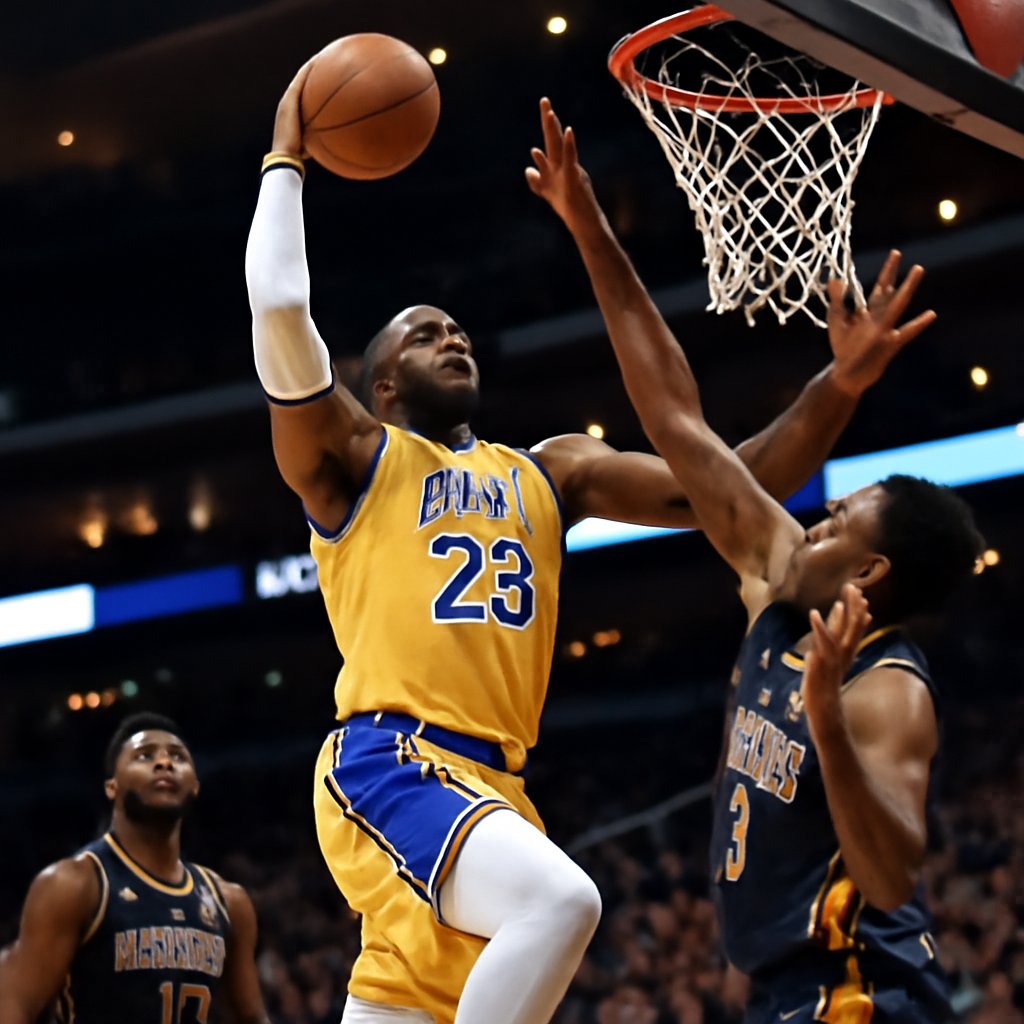
Player development paths in the modern NBA have flipped upside down over the last twenty years, moving away from that straight college-to-pro highway into something way more layered. Franchises pour money into custom plans that mix analytics, pro trainers, G-League stints, and overseas seasoning, all while folding in body recovery and data tracking to push both rookies and vets forward. I laced up for four years playing college ball, so I know what this feels like when the game starts demanding more than just raw talent.
Back in the day, development meant grinding through the same drills until your shoulders burned and your legs locked up, all in the name of toughness. Now the league runs on pace-and-space and positionless play, so teams lean on motion capture, sports science, and AI reports to fix specific leaks like lateral quickness or reading the floor when you’re gassed. The Warriors showed everybody how this works when they rebuilt Steph Curry’s shooting stroke after drafting him late in the first round, turning potential into a game-changer. NBA tracking systems break down every cut and pivot, giving coaches numbers that match what any player who’s been in the gym knows about where the real work happens. That shift has cut the wait time from prospect to rotation piece, with teams now counting on real minutes inside two seasons.
The old one-and-done college route still pulls plenty of talent, but more paths now run through the G-League, Europe, or two-way deals. Giannis came over from Greece light on polished fundamentals yet blew up once coaches zeroed in on his handle and perimeter D. Programs like G-League Ignite put high-school guys straight into pro settings with dashboards that track the same stuff NBA teams use. International scouting has grown too, pulling in guys from Australia and Canada who already know year-round competition. In Black American communities, basketball has always lived on the blacktop and in church gyms where you learn spacing and toughness through pickup wars before any coach draws it up on a board—these newer routes often produce players who slide into NBA spacing faster than four-year college standouts.
Look at the journeys and you see the variety. Luka Doncic arrived from Real Madrid already dangerous in pick-and-rolls, then added conditioning built for his size. Jayson Tatum blended his college base with extra shooting reps and defensive versatility work in Boston. Teams now keep development coaches on staff who build full regimens including yoga, nutrition logs, and mental sessions. The numbers line up with what players feel on the floor—guys getting steady G-League minutes see their effective field goal percentage jump four to six points in their first two NBA seasons. Organizations that stick with the same coaches and scouts year after year get the best results.
The stats tell the story clearly. Over 35 percent of 2023 rookies logged at least a season in the G-League or overseas before their NBA debut, up from 22 percent ten years ago. Late-lottery picks in structured programs average a 3.2-point PER bump in year two. Analytics-minded teams cut injuries by 18 percent when prospects follow load-management plans early on. International players make up 28 percent of rosters now, with extra attention paid to fitting into a new culture while sharpening skills. League-wide shooting efficiency has climbed five percent since 2015 thanks to focused off-season work on mechanics and quick release.
What separates winning development systems from the rest comes down to consistency and personalization. Teams like the Boston Celtics and Denver Nuggets have built repeatable frameworks that work across different player types rather than forcing everyone through the same pipeline. They recognize that a 7-footer coming straight from college needs different work than a combo guard with overseas experience. Celtics scouts spend time building relationships with international coaches before draft night, so when they bring someone in, there’s already alignment on what the player needs to improve. Denver’s approach emphasizes ball movement and spacing fit from day one, whether a prospect is a lottery pick or a second-rounder finding their way up.
Player data collection has become so sophisticated that teams now track things like sleep quality, heart rate variability, and stress levels through wearables to predict injury risk and optimal training loads. A player might look fine in practice, but their recovery metrics show they’re trending toward a soft-tissue injury, so the coaching staff adjusts volume. This kind of granular feedback has shrunk the learning curve dramatically. Young players who would have needed two or three years to understand NBA spacing can now visualize it through AI-generated film sessions that show them where to be before the ball goes up.
The mental side of development has gotten just as detailed. Sports psychologists now work with prospects on confidence-building, pressure management, and dealing with the media spotlight that comes with NBA life. Some teams bring in players a few months early for off-season work to help them adjust to the pace and physicality before training camp starts. This front-loaded investment pays dividends because rookies aren’t spending their first season just trying to catch their breath—they’re already acclimated to the speed.
Financial investment in development infrastructure separates contenders from rebuilders. The Warriors spent millions rebuilding Curry’s shot after the 2009 draft because they saw the blueprint and had the patience to execute it. That one player shaped their entire philosophy. Modern franchises allocate similar resources across their entire roster pipeline, with some teams spending north of five million annually on development staff, equipment, and facilities outside the main practice space. Teams with this commitment see better retention rates too—younger players feel prioritized and are more likely to extend early rather than test free agency.
The G-League’s evolution deserves its own spotlight in this conversation. It’s no longer just a dumping ground for fringe players. The league has become a legitimate proving ground where young guys get 30+ minutes per night in a competitive setting without the pressure valve of playing meaningless minutes on an NBA bench. G-League Ignite specifically has become a pipeline alternative to college, offering high school players a chance to train against professionals while building their brands through streaming and social media exposure. The success rate speaks for itself—multiple Ignite alums have cracked NBA rotations within two years.
Culture fit has become a measurable part of development too. Scouts now dig into how a prospect handles adversity, relates to teammates, and adapts to coaching feedback. Some talented players don’t develop because they clash with coaching philosophy or resist feedback, while less heralded prospects accelerate in systems where the culture emphasizes continuous growth. The best franchises now interview coaches and trainers from a prospect’s past to understand how they learn best, then structure their development environment accordingly.
Looking forward, player development will likely lean even harder into artificial intelligence and biometric tracking. Teams are experimenting with AI systems that predict not just injury risk but optimal positioning and spacing tendencies based on a player’s physical profile. This allows coaches to accelerate basketball IQ development by feeding players personalized recommendations during games. The teams that master this integration of human coaching wisdom and computational analysis will dominate talent acquisition and retention in the coming decade.
This whole system keeps shifting with new tech and rules, and the teams that treat players as whole people instead of quick fixes will keep building winners across eras. The advanced metrics back up what any player who’s been in the gym knows—real growth comes when the body, mind, and data all line up.
Sources
- NBA.com News – Official NBA player updates and development coverage
- ESPN NBA – Comprehensive NBA player statistics and analysis
- Basketball Reference – Historical NBA player performance data and development metrics
- NBA Stats – Advanced player statistics and tracking data
- ESPN NBA Statistics – Player development and performance analytics