
Best NBA Comeback Wins in Playoff History
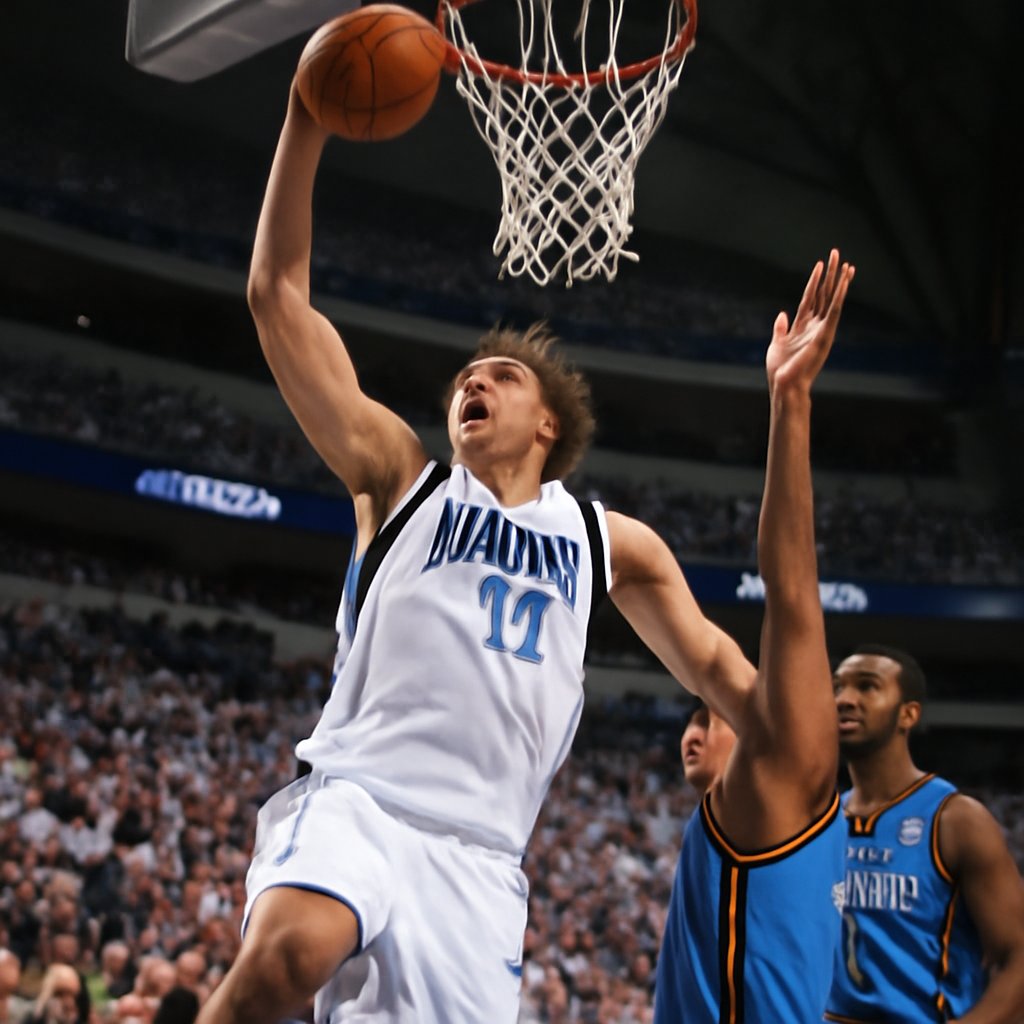
The spirit of NBA playoff comebacks runs deep in our communities, where the court has long been a place for young folks to find their voice, build each other up, and turn tough breaks into something legendary. These aren’t just box-score miracles; they’re reminders that the game has always been bigger than stats, carrying the weight of neighborhoods, families, and the kind of resilience that echoes from pickup runs to professional stages. The WNBA has shown us the same fire season after season, with teams like the 2019 Mystics or the Liberty’s recent pushes proving that collective belief can flip any script.
Take the 2016 Cleveland Cavaliers’ run in the Finals. Down 3-1 to a Golden State squad that had rolled to 73 wins behind Stephen Curry and Klay Thompson, LeBron James and Kyrie Irving refused to let the series end. Cleveland won the next three, capped by that unforgettable Game 7. LeBron averaged 29.7 points, 11.3 rebounds, and 8.9 assists, becoming the first player to post a triple-double in a Finals Game 7. His block on Andre Iguodala in that clincher shifted everything. What gets lost in the highlights is how LeBron carried the hopes of a city still healing, with Tristan Thompson bringing physicality down low and J.R. Smith knocking down big threes. Winning those road games after the hole they dug showed the mental steel that defines true leaders.
The 2006 Miami Heat delivered another one for the ages. Trailing 0-2 to the Dallas Mavericks in the Finals, Dwyane Wade and Shaquille O’Neal rallied the squad to four straight wins. Wade exploded for over 34 points a game once the comeback started, earning Finals MVP honors. Coach Pat Riley tightened the defense on Dirk Nowitzki, while O’Neal’s presence inside created mismatches that wore Dallas down. Miami had already built that momentum by surviving earlier rounds against Chicago and Detroit. These moments hit different because they reflect how veteran presence and rising stars together can rewrite a series, much like the WNBA’s emphasis on shared leadership has lifted entire franchises.
Then there’s the 1981 Boston Celtics in the Eastern Conference Finals. Down 3-1 to the Philadelphia 76ers, Larry Bird and company won three straight to advance. Bird’s rebounding and playmaking flipped the momentum, with Cedric Maxwell and Robert Parish locking down the paint and forcing turnovers. The Celtics’ veteran core showed how team chemistry and defensive intensity can topple even Julius Erving’s star power. What resonates across eras is that same community-rooted grind, where adjustments in pace and execution turn deficits into destiny.
Only four teams in NBA history have overcome a 3-1 deficit to win a championship. LeBron finished Game 7 with 27 points, 11 rebounds, and 11 assists. Wade’s 34.7 points per game fueled Miami’s surge. Bird averaged 21.5 points and 15 rebounds in Boston’s final three games of that series. Golden State held the early lead in 2016 despite injuries, yet Cleveland’s depth won out. These comebacks often hinge on ramped-up three-point volume and defensive improvements down the stretch.
Beyond the championship-clinching reversals, the 2019 Denver Nuggets delivered one of the most electrifying playoff comeback performances in recent memory. Facing the San Antonio Spurs in the first round and trailing 3-1, Denver’s young core powered by Nikola Jokic and Jamal Murray refused to fold. The Nuggets stormed back to force Game 7, showcasing the kind of offensive firepower and resilience that would define their franchise trajectory in the years to come. Jokic’s all-around excellence and Murray’s clutch shooting became the blueprint for future Denver postseason runs. This series proved that regular-season doubters and playoff underdogs could shift narrative momentum through sheer will and basketball IQ.
The 2012 Oklahoma City Thunder actually came from behind against the Los Angeles Lakers in the Conference Finals, though not from a 3-1 hole. Still, that series represented the changing of the guard in the Western Conference. Kevin Durant’s emergence as a Finals-caliber player, combined with Russell Westbrook’s aggressive attacking style, overwhelmed a Lakers team that had won back-to-back titles. The Thunder’s pace-and-space offense was ahead of its time, and their comeback victory signaled that the era of isolation-heavy basketball was shifting toward a more dynamic, team-oriented approach.
What often gets overlooked in playoff comeback narratives is the role of coaching adjustments and defensive schemes. When Cleveland mounted their 3-1 comeback against Golden State, Coach Tyronn Lue’s decision to switch defensively and play smaller lineups with LeBron at center disrupted Golden State’s rhythm. This wasn’t just about individual heroics—it was calculated, strategic basketball that forced the defending champions out of their comfort zone. Similarly, Pat Riley’s defensive tactics against the Mavericks in 2006 showed that playoff comebacks are won on both ends of the floor, with execution and adaptation proving just as crucial as scoring explosions.
The psychological dimension of these comebacks cannot be understated. Teams facing elimination often play with a freedom and desperation that regular-season basketball never captures. Players embrace the pressure rather than shrink from it, knowing that each possession could be their last of the season. This mental shift, combined with the opponent’s potential complacency after taking a 3-1 lead, creates a unique dynamic where momentum can shift dramatically. The best teams navigate this emotional rollercoaster by maintaining focus on process rather than outcome, executing the fundamentals even as the stakes escalate.
Turnovers and free throw shooting frequently become deciding factors in playoff comebacks. Teams mounting reversals typically force more turnovers in crucial games, translating those takeaways into fast-break points that swing momentum. Additionally, discipline at the free throw line becomes magnified—missed free throws by the leading team can feel catastrophic, while clutch free throw shooting by the trailing team reinforces their belief they can complete the upset. These marginal gains, when compounded across multiple games, create the differential that separates comebacks from capitulations.
The 2020 Denver Nuggets again showed their playoff mettle, rallying from 3-1 down against the Utah Jazz in the first round before ultimately facing the Lakers in the Conference Finals. While they didn’t complete a full championship run that year, Denver’s ability to consistently overcome significant deficits demonstrated a culture of resilience and confidence that builds dynasties. The Nuggets organization’s investment in developing young talent and trusting their system created an environment where players believed in themselves, regardless of the deficit.
Looking at these historic comebacks through a modern lens, we see that the most successful playoff reversals share common threads: elite playmaking that reduces turnovers, three-point shooting that opens up the offense, suffocating defense that forces opponents into difficult shots, and veteran leadership that stabilizes emotions. Teams in the playoffs understand that a 3-1 lead is not insurmountable—it’s merely the halftime point of a larger narrative, and the next three games will define legacies.
At the end of the day, these playoff reversals keep inspiring new generations because they capture the unpredictability and heart that make basketball a pillar in Black communities and beyond. The margins are razor-thin, but the lessons in resilience carry forward.