
Facts About NBA All Star Game History
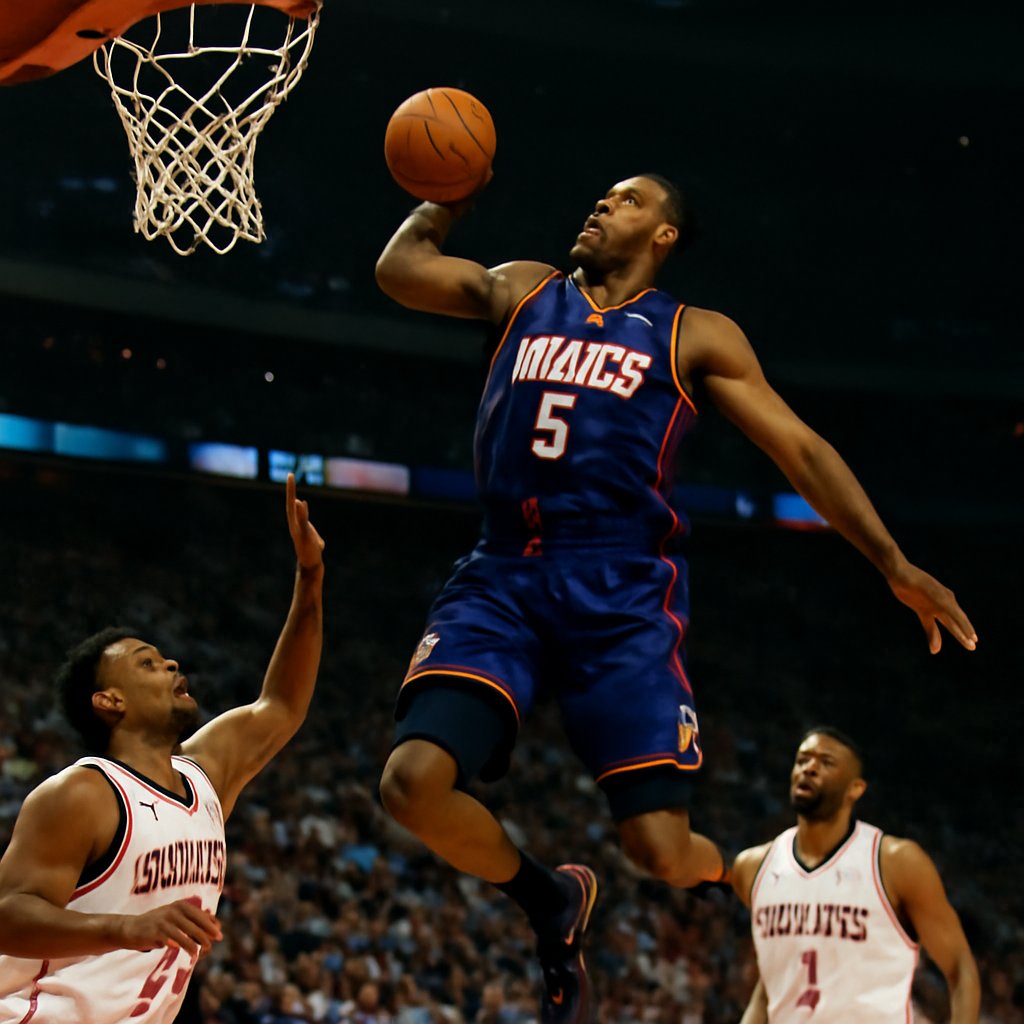
The NBA All-Star Game has always carried weight far beyond the box score, serving as a gathering place where excellence meets community pride and the sport’s deeper role in Black neighborhoods shines through. From its start as a way to lift spirits during lean times, the weekend has grown into something that echoes across both the NBA and WNBA, reminding us how basketball threads families and cities together.
Back in 1951, league president Maurice Podoloff launched the first All-Star Game at Boston Garden to spark excitement and draw fans when attendance was down. The East topped the West 111-94, and names like Ed Macauley and Bob Cousy stepped into the spotlight in a way that would later shape how we talk about rising talent heading into the playoffs. What gets lost in the highlights is how those early exhibitions planted seeds for the detailed tracking we now use to understand team needs and individual growth. That inaugural game drew just over 10,000 fans, a modest crowd by today’s standards, but it proved the concept had merit and gave the league a vehicle to celebrate its brightest talents during the season’s midpoint.
By the mid-1950s the West had claimed its first win, showing real balance between the conferences, while bigs like George Mikan set early standards for rebounding and scoring that still guide how coaches build around anchors today. The game has always been bigger than stats, though; it gave young fans in our communities someone to see themselves in, the same way the WNBA All-Star weekend now lifts up the next generation of girls who dream of carrying that same torch. The format remained largely unchanged for decades—simply East versus West with the league’s elite on full display. This simplicity allowed the focus to remain squarely on player performances and competitive pride, elements that made the All-Star Game a genuine spectacle rather than an over-produced exhibition.
Iconic performances have defined eras. Michael Jordan’s 1988 dunk-contest win and game heroics turned heads and helped teams see the fire that would carry into postseason runs. Wilt Chamberlain dropped 42 in 1962, a mark that still sits among the highest ever. More recently, Kobe Bryant collected multiple MVPs and LeBron James reached 20 selections, records that speak to longevity and the shifting landscape of the league. These moments connect directly to how front offices scout and how fans debate who will lead their squad deep into the playoffs. Across the game, defensive stalwarts like Tim Duncan and Kevin Garnett used the stage to sharpen skills that later anchored championship defenses. Karl Malone appeared in 14 All-Star Games, while Magic Johnson’s 12 selections came during an era when the West was building dynasties. Each of these appearances represented not just individual achievement but validation of a player’s trajectory and influence within the league’s hierarchy.
The All-Star Game has also served as a launching pad for players entering their prime. Younger stars like Jayson Tatum, Luka Doncic, and Giannis Antetokounmpo earned their first selections relatively early in their careers, signaling to the basketball world that these players had arrived at the league’s highest level. The voting process itself—combining fan votes, player votes, and coach selections—has evolved to reflect changing fan engagement patterns and media consumption habits. In recent years, social media has dramatically impacted voting outcomes, allowing international fans to influence rosters in ways that were impossible in the pre-internet era.
The weekend expanded with the Three-Point Contest in 1986, putting sharpshooters like Larry Bird on center stage, and added the Skills Challenge in 2003 to spotlight playmaking that matters most when the stakes rise. The Three-Point Contest specifically transformed how the league valued long-range shooting, with Larry Bird’s legendary 1988 performance—where he famously asked opponents “who’s coming in second?”—becoming embedded in basketball lore. Stephen Curry later dominated the contest multiple times, his performances reflecting the league-wide shift toward three-point volume that has fundamentally changed how teams construct rosters. In 2018 the draft format replaced the old East-West setup, bringing fresh energy while keeping the competitive heart intact. This change, led by Commissioner Adam Silver’s desire to increase competitiveness, had captains selecting their teams regardless of conference. The captains themselves became part of the narrative, with LeBron James and Kevin Durant typically earning the honor and making strategic picks that sometimes created unexpected chemistry on the court. That same spirit of innovation shows up in the WNBA, where skills showcases and rising-star spotlights now give fans richer ways to follow talent pipelines that feed both leagues.
The All-Star Game experience extends far beyond the main event itself. Host cities benefit enormously from the weekend, with hotels, restaurants, and local businesses seeing significant economic boosts. The league has learned to package the All-Star weekend as a multi-day celebration of basketball culture, featuring celebrity performances, community initiatives, and fan experiences that appeal to different demographics. Young fans get to see their heroes up close through various fan engagement activities, while longtime supporters enjoy the nostalgic element of seeing past greats return for special moments or commemorative events.
Some numbers tell the story plainly: Kareem Abdul-Jabbar earned 19 selections, Bob Pettit took the first MVP in 1956, the highest-scoring game came in 2017 when the West won 192-182, and the West holds 19 wins to the East’s 37 through 2023. Attendance has climbed steadily, with modern weekends pulling well over 100,000 fans across events in host cities. Michael Jordan collected three All-Star MVPs, underscoring impact that stretches from regular season into playoff lore. LeBron James has won the All-Star MVP award four times, tying him among the all-time leaders in that category. The average All-Star Game score has increased noticeably over the decades, reflecting both the evolution of training and conditioning and the strategic shift toward faster, more offensive-minded basketball.
The All-Star Game’s cultural significance extends beyond statistics and records. It has been a platform where social issues find voice, where players use their platform to address broader concerns affecting their communities. The weekend brings together players from different teams in a collaborative setting, fostering relationships and camaraderie that humanize the competitive landscape fans see during the regular season. Rookies playing in their first All-Star Game often cite the experience as validating, while veterans view selection as recognition of sustained excellence.
Looking forward, the All-Star Game continues to evolve while honoring its history. New formats, rule changes, and exhibition concepts keep the weekend fresh for both casual and dedicated fans. The rising global talent pool has expanded the All-Star rosters to include international players who bring different styles and skill sets to the game. This globalization of the All-Star Game reflects the NBA’s worldwide reach and the increasing importance of international talent to league competitiveness.
What stays with me is how this event keeps tying individual brilliance to the larger story of our communities. Whether it’s the WNBA’s growing footprint or the NBA’s historic weekend, the All-Star stage continues to celebrate excellence while forecasting the champions who will carry that pride forward. The game reminds us that basketball is more than competition—it’s a vehicle for inspiration, community connection, and the ongoing narrative of where the sport’s future leads.