
Guide to NBA Positionless Basketball Trends
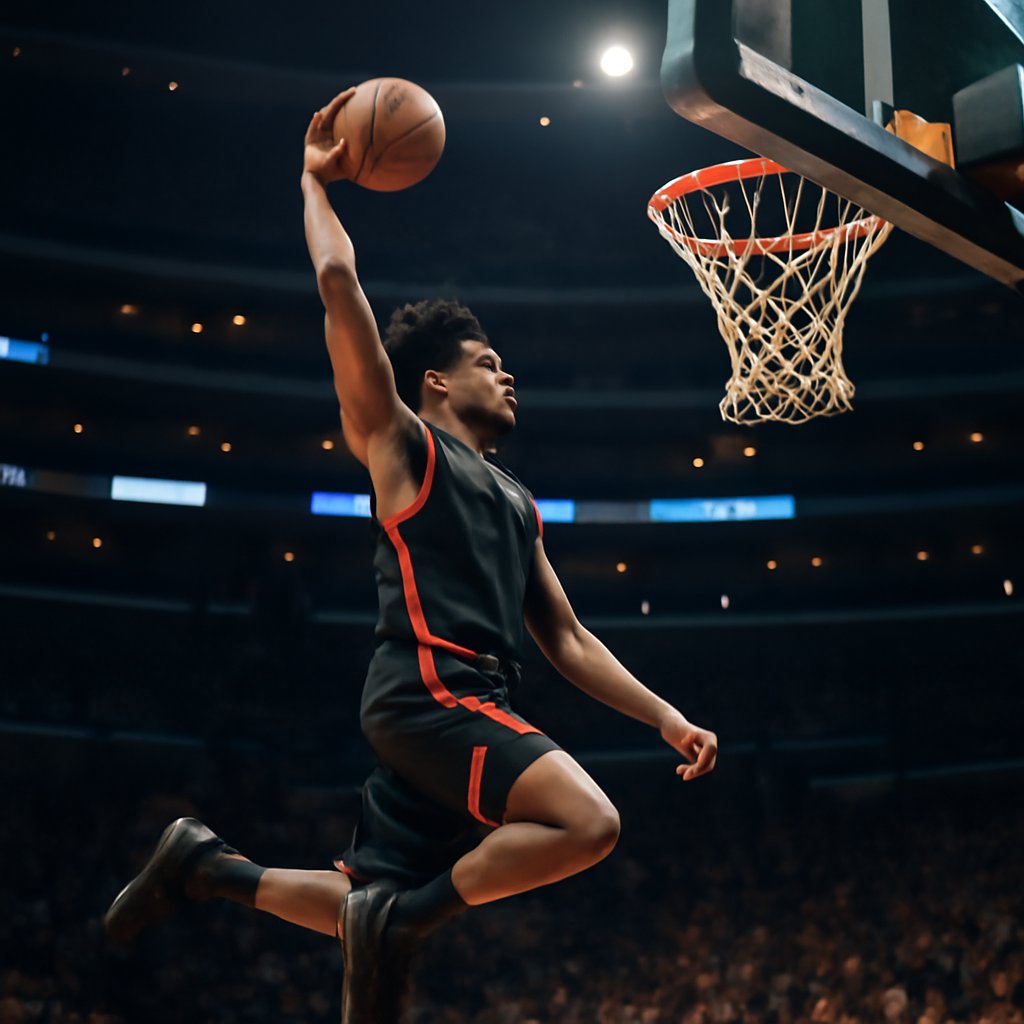
Positionless basketball ain’t some abstract theory—it’s what happens when the game stops forcing players into boxes and lets skill take over. I laced up for four years playing college ball, so I know the feeling of getting switched onto a guard one possession and then having to body a big the next. That physical chess match is exactly why this shift has taken over the league, turning rigid lineups into fluid units that space the floor, switch everything, and keep defenses guessing.
Back in the day, rosters had clear roles: centers camped in the paint, guards ran the show. That hierarchy came straight out of old-school thinking, but it cramped spacing and left slower bigs exposed. Now teams roll out multiple wings who can start plays, create mismatches, and push the pace. League pace sits at 100.5 possessions a game because those fluid rotations never let defenses settle. The advanced metrics back up what any player who’s been in the gym knows—smaller, switchable groups create more open looks and fewer easy buckets for the other side.
This style traces back to coaches experimenting with small-ball in the early 2010s. The Warriors made it famous by pairing shooters with versatile defenders and winning multiple rings. Analytics showed the payoff in higher three-point volume and cleaner ball movement. Rule changes helped too: taking away hand-checking and adding the defensive three-second rule opened up the perimeter for athletes who can do a little of everything. Front offices started drafting two-way wings instead of specialists because tracking data proved those players drop opponent efficiency across the board.
You see it in guys like Draymond Green, who runs the offense from the frontcourt and guards one through five. LeBron turned the point-forward role into an art form, blending scoring, passing, and rebounding without ever worrying about a label. Giannis and Luka show the same thing—dominating transition and half-court sets because nothing holds them to one spot. Rookies coming in now already have that perimeter-big skill set, stretching defenses with threes and punishing drop coverage. Pair them with shooters and the offensive rating jumps.
The transition to positionless play has fundamentally changed how teams develop young talent. Scouts now evaluate prospects on versatility markers—can they defend multiple positions, shoot from range, and facilitate offense? A seven-footer who can’t shoot or pass has become a liability rather than an asset. Teams like the Denver Nuggets have built their entire system around this philosophy, rostering players like Nikola Jokic and Jamal Murray who excel in pick-and-roll actions regardless of traditional positioning. The Celtics similarly constructed their roster around Jayson Tatum and Jaylen Brown, wings with the size and skill to play multiple spots and create offense organically.
Defense has evolved just as dramatically. Switching on every pick-and-roll demand requires players who can move laterally with guards while maintaining strength against bigs. This has pushed physical conditioning to new extremes—centers now need the cardiovascular endurance of guards, while guards require the lateral stability to absorb contact from larger players. Teams invest heavily in switchability metrics, tracking how well individual players defend opponents across position ranges. A defender’s value skyrockets if they can hold their own against guards in isolation and also stay in front of centers in the post. This universal defensive language has made the game more competitive overall, raising the bar for team defense and forcing offensive innovation.
Spacing has become the currency of modern offenses. When five players on the court can all shoot three-pointers, help defense collapses, and the ball moves to open shooters. This isn’t just about perimeter shooting either—bigs stepping out to the three-point line changes entire floor geometries. Defenders can’t pack the paint anymore because doing so leaves shooters open and results in easy buckets. Teams that fail to embrace three-point shooting and floor spacing have found themselves at a competitive disadvantage, with offensive ratings lagging behind positionless squads by three to five points per 100 possessions. The Suns, Celtics, and Nuggets all rank in the top five offensively partly because their lineups force defenses to cover the entire court.
Transition play has accelerated dramatically in positionless systems. Because players at every position can now handle and pass the basketball, fast breaks aren’t limited to guards anymore. A center grabbing a rebound can push the ball up the court themselves, or find a cutting wing in rhythm. This creates more scoring opportunities in transition where defenses are disorganized. Analytics show that transition baskets yield better efficiency than half-court sets, so teams prioritizing pace and floor balance generate more buckets with fewer possessions. The Suns under Monty Williams proved this concept, with guards and bigs equally capable of initiating and executing pick-and-roll plays in open court.
The injury resilience factor shouldn’t be overlooked. Positionless rosters with five to seven versatile players create natural redundancy. If one wing goes down, you’re not scrambling to find a replacement for their unique skill set because others can cover multiple roles. Traditional position-based rosters could fall apart with key injuries because the backup at a position might lack the versatility of the starter. Teams built around positionless principles have demonstrated better resilience through injury stretches, maintaining competitive net ratings even when dealing with absences.
Teams like the Celtics and Nuggets built their identity around versatile frontcourts that switch on defense and generate open threes. That demands real work on shooting mechanics and footwork, but it shows up in deeper playoff runs and better net ratings. League-wide, three-point attempts are up over 60 percent since 2010 because positionless spacing creates catch-and-shoot chances for wings and bigs alike. Versatile defenders logging 1,000-plus minutes across multiple positions help 70 percent of recent champions land in the top ten defensively. Small-ball lineups eat up 25 percent of playoff minutes lately, cutting down on fouls and boosting efficiency. Those multi-positional wings average 1.8 more assists than traditional specialists, fueling transition play. Drafting for this development has lifted net rating by 4.2 points per 100 possessions over five years for those teams. Switching schemes hold opponents under 35 percent from three in big series, and positionless rosters generate 8 percent more wide-open looks.
The international influence has accelerated this trend as well. Players trained overseas in systems that emphasize skill development over positional specialization bring different dimensions to NBA rosters. Luka Doncic, Nikola Jokic, and Giannis Antetokounmpo all developed in competitive environments where position mattered less than versatility. Their success at the highest level has validated international training philosophies that prioritize basketball IQ and multi-positional skill development. NBA teams now scout talent globally with an eye toward these skill markers, knowing that positionless training produces more adaptable players.
Basketball has always lived in Black communities as more than a sport—it’s expression, survival, and creativity on the blacktop. Positionless play feels like bringing that park freedom into the NBA, where a kid who grew up crossing over bigs in pickup games now gets paid to do the same thing at the highest level. The stats line up with what we always knew on the court: versatility wins.
This approach keeps pushing the league forward, mixing sharp analytics with on-court creativity. Understanding how it works helps everybody see why skill beats convention every time.