
NBA Coaching Adjustments in Playoff Series
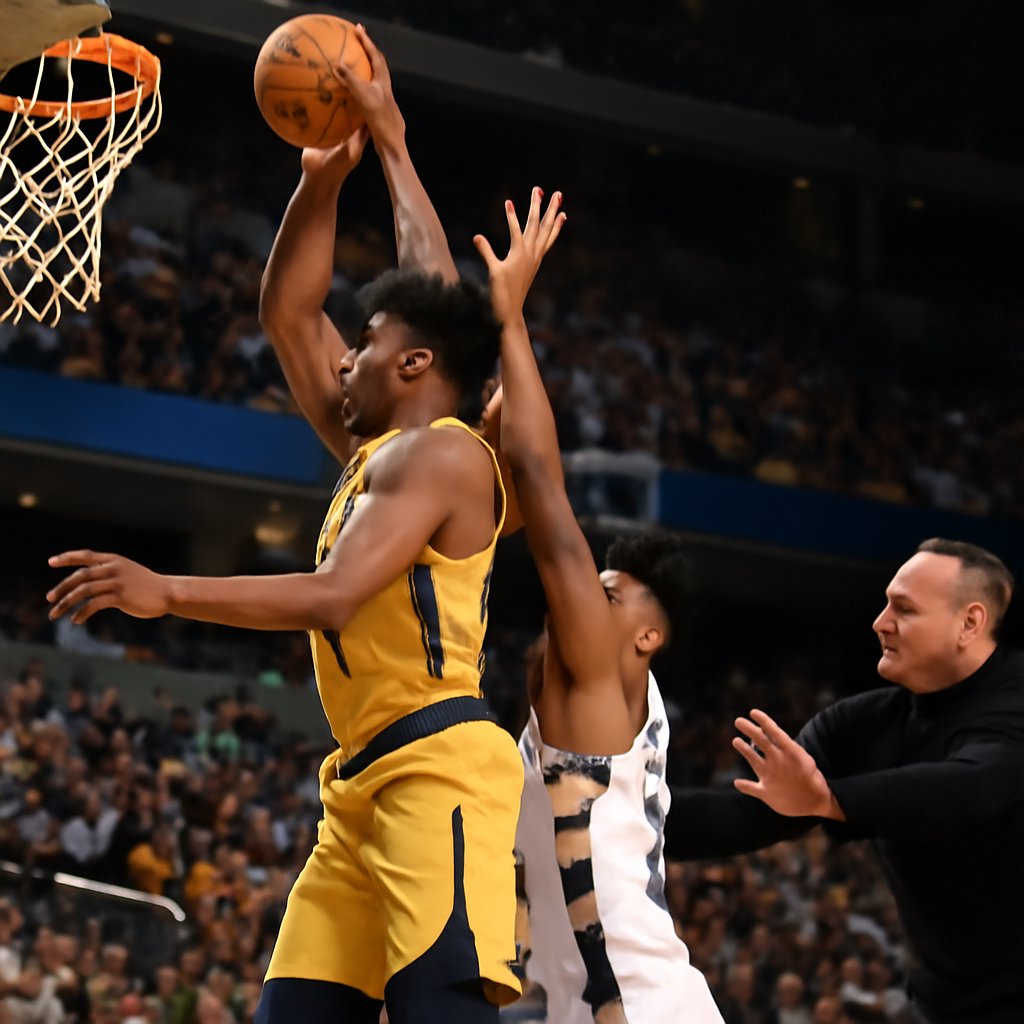
In the heart of playoff basketball, where every possession carries the weight of community dreams and the game has always been bigger than stats, coaching adjustments become that quiet force lifting teams from the brink. The high-stakes environment forces coaches to adapt schemes, rotations, and matchups rapidly based on real-time data and opponent tendencies. Unlike the regular season, playoff basketball rewards flexibility, with successful adjustments frequently swinging series outcomes in favor of teams that identify and exploit weaknesses quickly.
Coaches in the NBA have increasingly relied on advanced analytics to guide their playoff adjustments. During the regular season, teams test various lineups and defensive coverages, but the playoffs demand precise execution against familiar opponents. For instance, a coach might shift from a drop coverage to a blitz on pick-and-rolls after reviewing film showing an opposing guard’s struggles against aggressive hedging. This evolution traces back to pioneers like Gregg Popovich, who emphasized constant communication and in-game tweaks, setting the standard for modern NBA coaching adjustments in playoff series. What gets lost in the highlights is how these shifts honor the lived experiences of players who grew up navigating tough neighborhoods and tighter defenses alike.
Player profiles play a critical role here as well. Stars such as Stephen Curry thrive when coaches adjust spacing to maximize off-ball movement, while defensive anchors like Draymond Green benefit from scheme changes that funnel drivers into help defense. Teams that fail to adapt often see their stars neutralized, leading to early exits. Data from recent seasons shows that series featuring multiple adjustments correlate with higher viewer engagement and longer runs for underdog squads. The same truth echoes in the WNBA, where coaches like those guiding the Minnesota Lynx or Las Vegas Aces make similar mid-series pivots to spotlight players whose stories reflect resilience and cultural depth.
One standout example involves the 2022 Western Conference Finals, where the Golden State Warriors adjusted their small-ball lineup to counter the Dallas Mavericks’ interior scoring. By increasing the minutes of versatile wings and emphasizing switch-everything defense, coach Steve Kerr limited Luka Doncic’s efficiency in isolation plays. This NBA coaching adjustment in playoff series helped propel the Warriors to the title. Another compelling case comes from the Miami Heat’s 2023 Eastern Conference run. Erik Spoelstra implemented zone defenses and altered offensive sets to exploit mismatches against the Milwaukee Bucks and Boston Celtics. By shifting Jimmy Butler into more playmaking duties and reducing reliance on three-point volume early in games, the Heat forced opponents into uncomfortable half-court execution. These targeted changes highlight how NBA coaching adjustments in playoff series can overcome talent gaps through superior preparation and in-series flexibility.
The mechanics of effective defensive adjustments extend beyond simple scheme changes. Coaches must consider how their team’s personnel match up against specific opposing players and actions. A common adjustment involves switching assignment responsibilities on certain plays—for example, if an opponent’s center is dominating in post-ups, a coach might assign their best perimeter defender to shadow that player on cuts and in transition, forcing the ball handler to operate without their preferred target. Similarly, coaches might adjust screen coverage by having defenders “ice” screens, pushing the ball handler away from the screener rather than allowing them to use it. These subtle but significant tweaks can disrupt offensive rhythm without requiring wholesale changes to core defensive principles.
Offensive adjustments demand equal sophistication. Many successful coaches identify which opposing defenders struggle most against specific actions and then exploit those matchups relentlessly. If a defender struggles with lateral quickness, running more pick-and-roll plays that force them to navigate screens becomes essential. Conversely, if an opposing team lacks shot-blocking depth, attacking the paint more aggressively and reducing reliance on three-pointers can prove effective. The best playoff coaches use film study to identify not just what opponents do well, but what they do poorly—and then construct their series strategy around those vulnerabilities. Advanced spacing adjustments, such as playing more small-ball lineups or conversely going bigger to protect the paint, represent another critical dimension of modern playoff coaching.
The timing of adjustments proves as crucial as their substance. Coaches must decide whether to implement changes immediately after a poor Game 1 performance or wait to gather more data. Some advocates argue that quick adjustments demonstrate confidence and prevent momentum from shifting entirely, while others contend that overreacting to a single game leads to disjointed execution. The most successful coaches often wait until Game 2 or Game 3 to make major changes, allowing enough time to confirm patterns while still having ample opportunity to impact the series outcome. This measured approach respects the intelligence of players who need consistency to build confidence while acknowledging that stubborn adherence to failing strategies guarantees failure.
Bench players and role players deserve significant credit when adjustments succeed. When a coach implements a new defensive scheme or shifts rotation minutes, those outside the star player spotlight must execute flawlessly. A backup point guard suddenly asked to defend a quicker opponent, or a reserve wing deployed in a new position, must quickly master unfamiliar responsibilities. Team chemistry and depth become assets in this environment. Organizations that develop strong bench units with versatile, intelligent players capable of understanding multiple roles enjoy tremendous advantages in executing mid-series adjustments. This explains why some seemingly less talented rosters advance further than expected—they possess the depth to absorb and execute coaching adjustments without significant drops in performance.
Communication represents an underrated component of successful adjustments. Coaches must clearly convey new schemes, responsibilities, and expectations to players in ways that promote quick understanding and buy-in. Video analysis sessions showing exactly what opponents are doing and precisely what adjustments will address those tendencies help players grasp the strategic reasoning behind changes. Players who understand not just what to do, but why they’re doing it, execute adjustments more confidently and effectively. This educational component of coaching has become increasingly sophisticated, with most NBA teams now employing dedicated video coordinators and analytical staff who can instantly prepare clips demonstrating specific concepts.
While effective adjustments can turn series around, they carry inherent risks. Over-adjusting may disrupt team chemistry or expose new weaknesses that opponents quickly exploit. For example, altering a core defensive identity too late in a series can lead to confusion among role players, resulting in blown assignments. Team analysis often reveals that the most successful coaches balance bold changes with core principles that players already understand. Player fatigue and injury concerns further complicate matters. Coaches must weigh the benefits of new rotations against the physical toll on key contributors. In-depth scouting reports and practice simulations help mitigate these risks, allowing staffs to predict how adjustments will perform under playoff intensity. Ultimately, the teams that master the art of timely, measured changes tend to sustain success across multiple rounds.
Teams that make at least three significant schematic adjustments per series win approximately 62% of playoff games according to league tracking data. Coaches averaging over 10 minutes of lineup experimentation in Games 3-5 advance to the next round 48% more often than those with static rotations. Defensive adjustments targeting an opponent’s top scorer reduce that player’s effective field goal percentage by an average of 7.4 points in subsequent games. Offensive tweaks involving increased pick-and-pop actions have led to a 12% rise in three-point attempts during successful playoff runs since 2018. Analysis of the last five NBA Finals shows that the winning coach implemented an average of 4.2 in-series changes related to defensive coverages.
The psychological dimension of adjustments also merits consideration. When a team implements significant changes and sees immediate positive results, confidence surges throughout the roster. Players feel their coach understands the opposition and trusts them to execute more complex assignments. Conversely, constant adjustments without visible improvements can breed confusion and uncertainty. The most effective coaches balance analytical rigor with emotional intelligence, understanding how their team responds psychologically to changes. Some rosters thrive with aggressive mid-series pivots, while others perform better with stability and incremental refinements. Great coaches recognize these personality differences and tailor their adjustment philosophy accordingly.
Looking at historical patterns, the coaches most renowned for adjustment prowess share common traits. They maintain extensive film libraries and employ detailed scouting systems. They foster cultures where players feel empowered to ask questions and request clarification. They test adjustments in practice before implementing them in high-stakes games whenever possible. They recognize that adjustment success depends on player execution, and they invest in developing their roster’s basketball intelligence and versatility. These foundational elements matter far more than any individual tactical innovation.
NBA coaching adjustments in playoff series remain one of the most decisive factors in postseason success. Through thoughtful use of analytics, player-specific strategies, and calculated risks, coaches can transform series trajectories and deliver championships. As the league continues to evolve, the ability to adapt quickly will separate contenders from pretenders in future playoffs—reminding us all that basketball’s deepest power lives in the connections