
Understanding NBA Pace and Space Offense
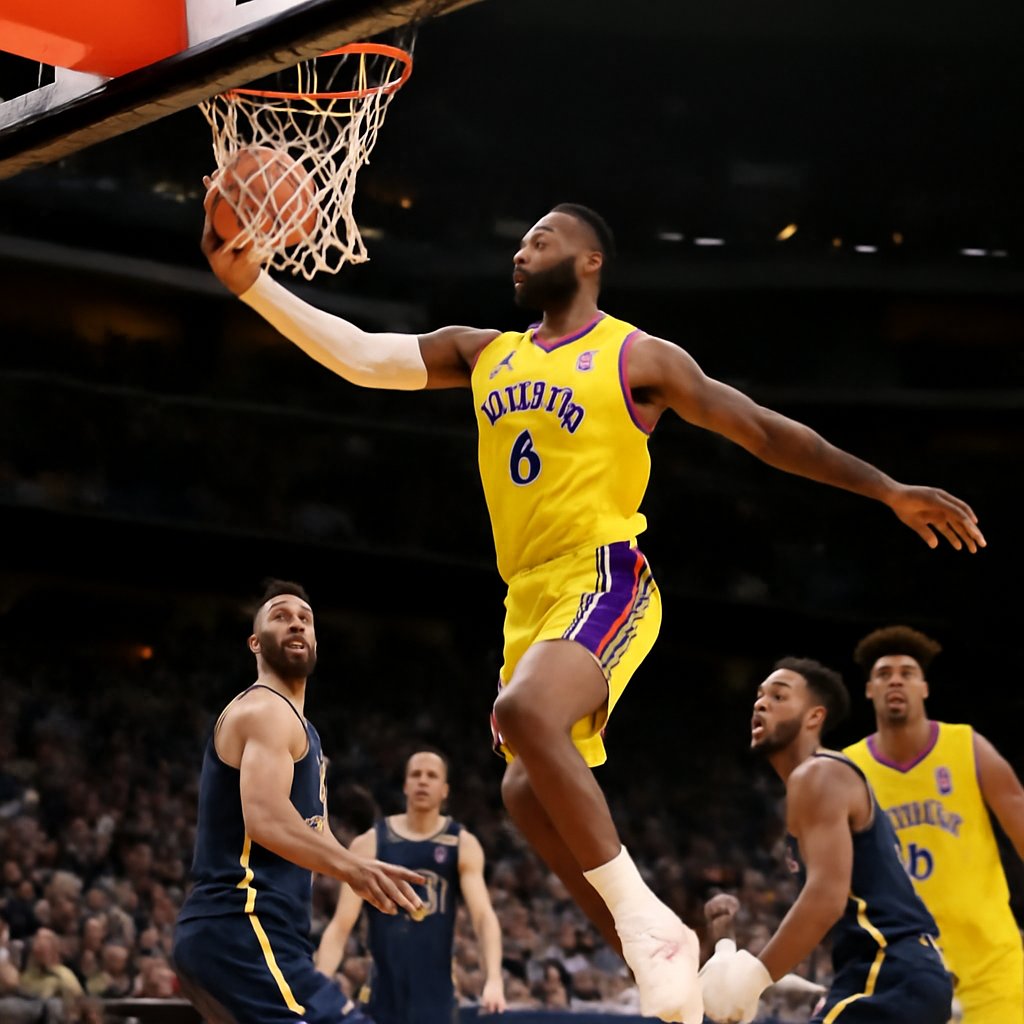
The NBA’s shift to pace and space offense didn’t just change how teams play—it changed how the game feels when you’re out there running it. I laced up for four years playing college ball, so I know what this feels like when the floor stretches wide and the defense can’t load up the way it used to. That old-school packing the paint? Gone. Now it’s about getting the ball up quick, spacing the floor with shooters, and letting the math do the work. In Black American communities where basketball has always been our proving ground—from playground runs in Philly to the parks in Atlanta—this style feels like an evolution of the same creativity that turned the game into art.
Back in the day, slowing things down let bigs clog the middle. Then front offices started crunching numbers and realized more possessions meant more chances to score before help arrived. The Warriors showed everybody how it works, with Curry’s gravity pulling defenders out and Draymond finding cutters in the gaps. League pace jumped from around 91 possessions per game in 2010 to over 100 by 2023, and the scoring followed right behind. Draft rooms noticed too—suddenly versatile wings who could shoot and switch became the priority over old-school centers who stayed glued to the block.
At the heart of it, pace and space is simple but brutal to execute. You push in transition so the defense can’t set, and you keep multiple three-point threats on the floor so driving lanes open up. The advanced metrics back up what any player who’s been in the gym knows: when spacing is right, effective field goal percentage climbs because help defenders have to choose between giving up threes or letting someone get to the rim. James Harden turned this into a science, reading rotations and kicking out for those extra attempts. Bigs have to be ready to pop, not just roll, and everybody on the floor needs that high basketball IQ to keep the motion alive.
I saw teams like the Rockets take it to the extreme under D’Antoni and Morey, living on the three-point line. It produced historic regular-season numbers but ran into trouble against elite rim protection in the playoffs. Players like Klay Thompson thrived off-ball because the system rewarded constant movement. Defenses had to switch more or drop, which flipped traditional big-man roles upside down. In the playoffs, the teams that control tempo early tend to wear opponents down, though half-court execution in late-game situations still decides everything. Recent Finals data shows squads averaging over 22 threes per game with that high pace win more often because the variance works in their favor over a series.
The numbers tell the story clearly. League pace rose nearly 10 possessions per game from 2012 to 2023. Heavy pace-and-space teams now average 35-plus three-point attempts compared to 25 for slower styles. Curry’s spacing alone lifted the Warriors’ offensive rating by 8 to 12 points per 100 possessions. Top-10 pace teams reach conference finals 60 percent more often. Effective spacing adds about 5 percent more points per possession in transition. Since 2018, 40 percent of first-round picks have been three-point shooters because that’s what the system demands. And when defenses scramble to adjust, foul trouble hits interior players harder.
What makes pace and space so effective is the compounding advantage it creates. When a team gets out in transition with proper spacing, defenders are forced into split-second decisions. Do you close out hard on the shooter, knowing the ball-handler can penetrate? Do you play help defense and risk leaving someone open beyond the arc? Do you send a third defender and leave a cutting teammate wide open? These aren’t theoretical questions—they happen dozens of times every game, and the math favors the offense. A five-out spacing alignment, where all five players can shoot and are positioned around the perimeter, eliminates the traditional weak-side help defense. The paint stays empty, the cutters have lanes, and shooters have time to catch and shoot without a defender already closeout-ready.
The transition game is where pace and space really shows its teeth. When your team can push the ball in rhythm after a defensive rebound or turnover, you’re attacking defenses that haven’t had time to set their matchups. Teams that excel here like the Celtics, Suns, and Nuggets have guards with great court vision who can hit multiple weapons in stride. A good transition setup—three on two or four on three—becomes nearly impossible to defend when all involved players can shoot. The defender on the weak side can’t cheat inside because someone will burn them with a three. The post defender can’t help on drives because the spacing player will punish them. It’s chess at 90 miles per hour.
The role of shooting versatility can’t be overstated in this system. Every position now needs a reliable three-point shot to be considered valuable. Centers like Brook Lopez, Marc Gasol, and Nikola Jokic revolutionized the position not just by shooting, but by shooting from range. When your center spaces the floor at the three-point line, the opposing center has a choice: stay attached and leave cutters free, or play help defense and leave shooters open. Power forwards who can switch onto guards became premium assets. Guards who can facilitate and handle defensive pressure became gold. The modern NBA roster is almost unrecognizable compared to 2010—there’s a fluidity that requires skill across all five positions.
Teams that struggle with pace and space usually do so for one of two reasons: they can’t shoot well enough to maintain spacing, or they lack the personnel who can execute at speed with high-level decision-making. The second reason is trickier because it’s harder to fix. You can improve shooting through player development and additions, but getting five players who understand spacing principles, move without the ball intelligently, and make quick decisions requires either draft luck or veteran coaching. That’s why established franchises with infrastructure often maintain pace-and-space advantages even when their rosters turn over.
In the playoffs, where defenses get locked in and adjustments tighten, pace and space faces its toughest test. Teams can’t live on threes in April and May the way they do in October. But the principles still apply—getting downhill quickly, creating movement before help arrives, and making snap decisions still work. The difference is that in playoff series, coaches have time to scout tendencies and make adjustments. That’s when secondary playmaking, versatile scorers who don’t need perfect spacing, and players who can create their own shot become more valuable. Teams that can blend pace and space with old-school half-court execution, like the Heat and Celtics recently, tend to go deepest.
This approach keeps reshaping how rosters get built and how the game gets coached. The best teams blend the speed with smart movement and precise shooting, turning role players into difference-makers through the spaces they create. In a league that’s only getting faster, mastering that balance is what separates contenders from the rest.
Sources
- NBA.com Stats – Official NBA statistics and advanced metrics for pace and spacing analysis
- ESPN NBA Stats – Comprehensive NBA team and player statistics
- Basketball Reference – Detailed NBA season statistics and team performance data
- NBA.com News – Official NBA analysis and basketball strategy articles