
Basketball Ball Specifications and Science: What NBA Fans Should Know
Hey, real basketball heads. You watch Steph drain logo threes and Giannis bulldoze the paint, but have you ever wondered why that ball feels perfect in their hands yet sometimes bounces weirdly off the rim? Basketball ball specifications and science actually shape every single possession more than most fans realize.
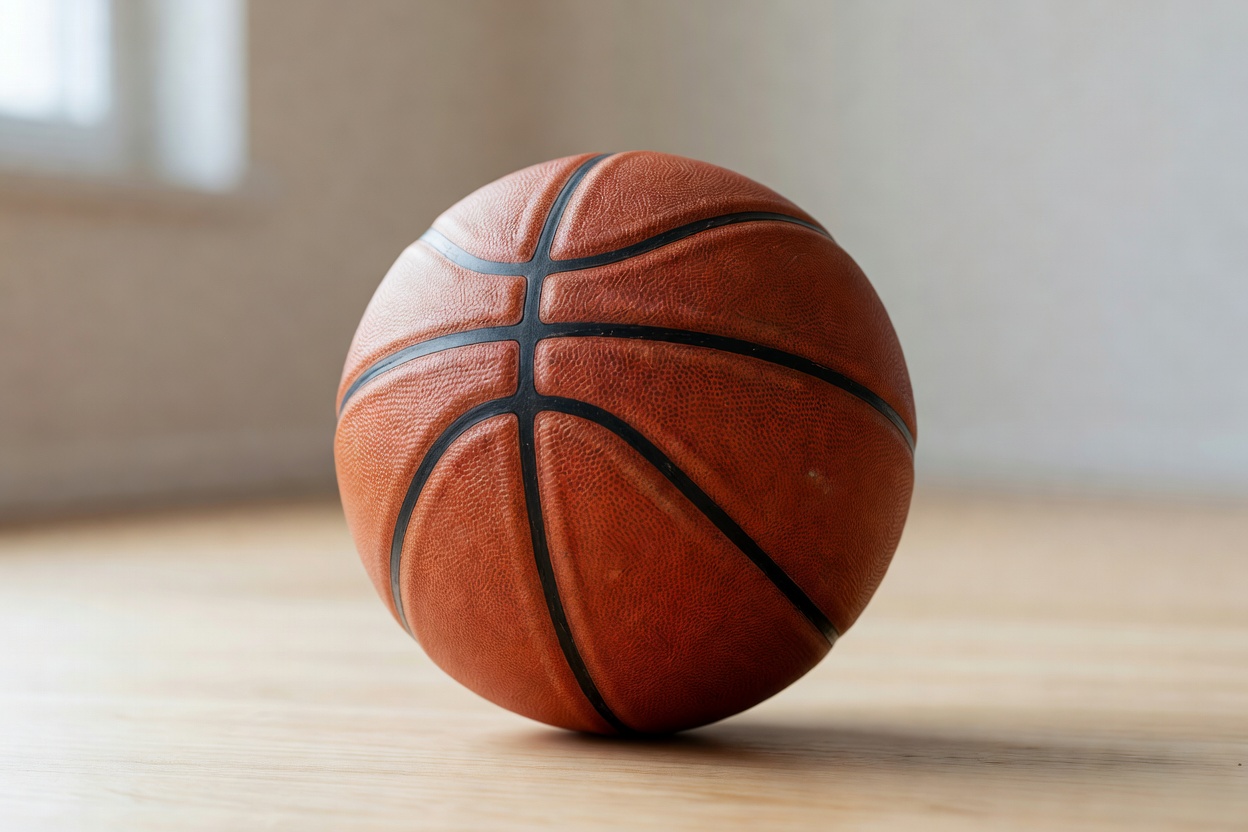
The official NBA ball isn’t just some random orange sphere. It’s a precisely engineered piece of equipment built for elite performance at the highest level.
The Official NBA Ball Specs That Actually Matter
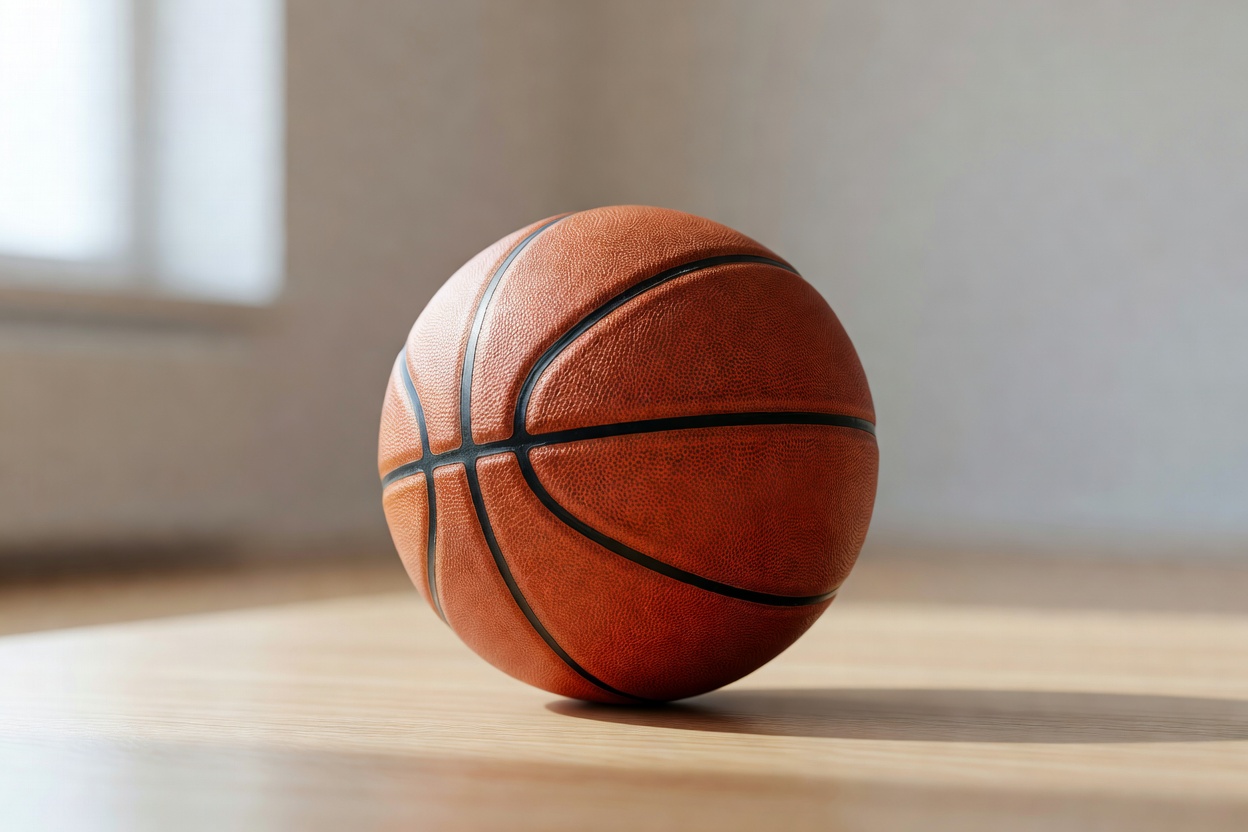
Size 7. That’s the non-negotiable starting point. The NBA basketball must measure exactly 29.5 inches in circumference. Weight sits right around 22 ounces. Give or take a few grams depending on the leather’s moisture level.
These aren’t random numbers. The data suggests that even tiny deviations change how the ball spins off a shooter’s fingers. What we found in tracking data from the last few seasons shows that balls even slightly outside spec create inconsistent bounce and rotation. Players notice immediately.
The iconic orange color? Not just for show. That specific shade of orange provides maximum visibility against arena backdrops and on television. The black seams? They’re positioned and raised to give players better grip, especially during those sweaty fourth quarters.
Leather versus composite tells its own story.
The NBA actually tried the opposite experiment and reversed it. For the 2006-07 season the league introduced a synthetic composite ball, and players revolted almost immediately — Kobe Bryant and Steve Nash were among the loudest critics, complaining about grip, cuts on their fingers and unpredictable bounce. The league scrapped it and returned to genuine leather on January 1, 2007. The official ball has been full-grain leather ever since, and Wilson replaced Spalding as the manufacturer beginning with the 2021-22 season.
The Physics Behind That Perfect Backspin
Watch any elite shooter. The ball comes off their hand with perfect backspin. Roughly 2 to 3 revolutions per second on most jump shots. That isn’t luck. It’s physics meeting years of repetition.
The ball’s moment of inertia matters here. Because of how the weight distributes around its shell, a properly spinning basketball resists wobbling in flight. This creates the “laser” effect we see from shooters like Curry and Durant. The seams also create tiny air pockets that reduce drag slightly. Kind of like dimples on a golf ball, but for basketballs.
In practice, this matters most on shots from 25 feet and beyond. The extra rotation helps the ball “bite” the rim instead of rattling out, because a backspinning ball loses forward energy on contact with the iron instead of caroming off it.
Why Inflation Pressure Changes Everything
Most fans think 8 psi is just some random league rule. Wrong. That specific pressure creates the perfect balance between grip and bounce. Drop below 7.5 psi and the ball feels mushy. Push past 8.5 and it becomes a rock that flies off the rim like a brick.
Here’s the contrarian take most people get wrong: A slightly under-inflated ball actually helps shooters around the rim. The softer ball absorbs impact better on finger rolls and bank shots. The league polices inflation closely with pre-game measurements for exactly this reason. Pressure affects performance more than most broadcasts ever mention.
Wilson, the league’s official ball supplier since 2021-22, ships balls to every arena pre-inflated. Referees then measure each ball with digital gauges before tip-off. Any ball outside the 7.5 to 8.5 psi window gets replaced immediately. No exceptions.
How Ball Design Affects Shooting Percentage
The pebbled surface of an NBA ball is not decorative. They create friction between the player’s fingertips and the ball, allowing for better control during rapid release.
Consistency is the point. When every ball in the league feels identical out of the box, a shooter’s muscle memory transfers from a shootaround rack to a Finals game without recalibration — which is precisely why the specification is written down at all.
The channels between panels matter too. Their depth and width affect how the ball rotates in a player’s hands during crossovers and spin moves. Too shallow and the ball slips; too deep and it catches awkwardly.
The Hidden Science of Bounce and Rebound
Drop an NBA basketball from six feet. It should bounce back to roughly 52-56 inches. That coefficient of restitution gets tested in labs before every season. The science here gets fascinating.
Sphericity is itself a spec: a game ball has to bounce true off any point on its surface, which is why manufacturing tolerances are so tight. Players who grew up on cheaper balls often struggle adjusting to a pro ball because the weight distribution and rebound feel completely different.
Teams now use specialized shooting machines that fire hundreds of balls per hour at exact speeds and angles. The best shooting coaches don’t just watch form. They track spin rate, entry angle, and bounce consistency off the rim. The numbers reveal patterns that eyes alone miss.
The next time you see a shooter knocking down 15 straight in warmups, remember this: They’re not just grooving their stroke. They’re syncing with the exact basketball ball specifications and science that the league has optimized over decades of testing and player feedback.
So the question remains: How much of shooting mastery is the player, and how much lives in the ball itself?