
Top 10 NBA Comeback Stories Ever
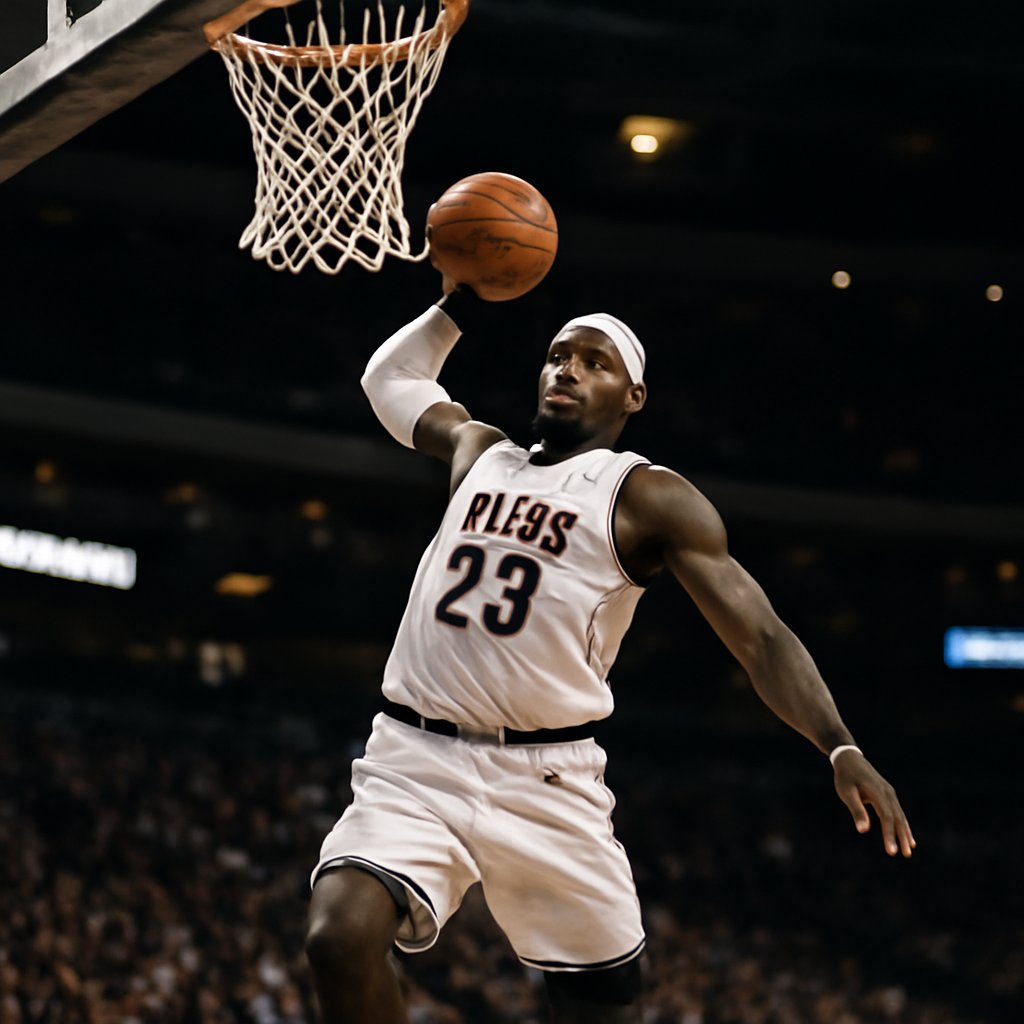
Basketball has always been more than the box score or the highlight reel—it’s the heartbeat of neighborhoods from Cleveland to Compton, the place where kids learn to rise after every fall. These NBA comeback stories carry that same spirit, reminding us how the game lifts entire communities when players dig deep through personal pain and playoff pressure. The 2016 Cleveland Cavaliers’ run from a 3-1 deficit against the Golden State Warriors sits at the top for good reason. LeBron James, a son of Akron who never forgot where he came from, averaged 29.7 points, 11.3 rebounds and 8.9 assists while delivering that unforgettable block on Andre Iguodala in Game 7. Kyrie Irving’s dagger three sealed the 93-89 win, giving Cleveland its first title and marking the first Finals comeback from 3-1. What gets lost in the highlights is how the Cavs shifted their three-point shooting from 32 percent early to 42 percent down the stretch under Tyronn Lue, showing that smart adjustments and collective belief matter just as much as individual brilliance.
The psychological dimension of that 2016 Finals run deserves deeper examination. The Warriors had just broken the single-season wins record with 73 victories, and they carried the burden of that achievement into the Finals. Meanwhile, the Cavaliers had nothing to lose—they were the underdogs facing a team that had looked virtually unbeatable all season. This dynamic shift in mentality proved crucial. The Cavs’ defense tightened considerably in the final three games, holding Golden State to just 89, 97, and 93 points respectively. Curry, who had been the league’s Most Valuable Player, struggled with turnovers and shot selection in the decisive games, managing just 17 points in Game 7 on 4-for-14 shooting. The comeback wasn’t just about individual heroics; it was about a collective understanding that small adjustments and unwavering confidence could overcome seemingly insurmountable odds.
The 2004 Detroit Pistons proved the same truth when they took down the star-studded Los Angeles Lakers in five games. Ben Wallace’s 22 rebounds in Game 5 and the team’s defensive rating of 92.3 underscored how a group of overlooked players can topple giants through grit and togetherness—values that echo across Black basketball culture where team-first play has long been a source of pride. The Pistons were built specifically to disrupt, with players like Tayshaun Prince, Rasheed Wallace, and Chauncey Billups forming a defensive wall that even prime Shaquille O’Neal struggled to penetrate. The Lakers, fresh off back-to-back titles with a three-peat in 2000-2002, entered the 2004 Finals as heavy favorites, but Detroit’s suffocating defense and relentless work on the boards told a different story. Coach Larry Brown’s squad held Los Angeles to 85.6 points per game over the series—an extraordinary defensive feat in any era, but particularly impressive during a time when scoring was more valued than it had been in the previous decade.
Michael Jordan’s 1995 return after his baseball detour still resonates as one of the most human moments in the sport. He dropped 26.9 points per game in those final 17 regular-season outings and carried the Bulls back to the playoffs, even if they fell to Orlando. The following year brought MVP honors and another ring, proving sometimes stepping away sharpens the fire that later fuels legends. Jordan’s baseball experiment, while unsuccessful on the diamond, added to his legend in basketball circles. His return wearing the number 45 (before switching back to 23) signified a new chapter, yet the hunger remained unchanged. The 1995-96 season saw him average 30.4 points per game, finish third in Defensive Player of the Year voting despite not winning it, and lead the Bulls to a then-record 72 victories. That season stands as a testament to how comebacks aren’t always about returning from injury—sometimes they’re about reigniting a competitive fire that transcends the sport itself.
Dirk Nowitzki’s 2011 playoff run with the Dallas Mavericks carried similar weight. Playing through a torn tendon and sprained knee, he averaged 26 points and 9.1 rebounds while the Mavs posted 112.6 offensive efficiency in the Finals against Miami. His mid-range game became a master class in resilience, the kind that inspires young players everywhere to keep shooting even when the body says stop. What made Nowitzki’s run particularly special was the supporting cast he elevated. Jason Kidd, acquired in a midseason trade, provided crucial leadership and spacing. Tyson Chandler anchored the defense. Role players like Peja Stojaković and DeShawn Stevenson hit crucial shots. But it was Dirk’s consistency—his willingness to take difficult shots and convert them at high rates—that gave Dallas the confidence to believe they could topple the heavily favored Heat. In the Finals, Nowitzki shot an efficient 48 percent from the field and 40 percent from three, proving that skilled big men could thrive even against modern defensive schemes built to shut down star players.
The game has always been bigger than stats, which is why stories like the 1995 Houston Rockets rallying from 3-1 against Phoenix—with Hakeem Olajuwon’s 35-point Game 7 masterpiece—still move us. Isaiah Thomas leading Boston to the 2017 Eastern Conference Finals while grieving his sister, averaging 28.9 points, hits especially close to home for anyone who has balanced loss with the demands of the court. Thomas’s personal tragedy during that season added profound emotional weight to Boston’s playoff push. Playing in the shadow of grief while maintaining elite performance levels demonstrated a mental fortitude that transcended basketball. The Celtics’ 2017 run, though ultimately unsuccessful in the Finals, showcased how leadership and community support can propel a team beyond what their roster construction might suggest.
Kevin Garnett’s 2008 arrival in Boston turning years of individual excellence into a championship, and Dwyane Wade’s 2006 Finals outburst at 34.7 points per game, show how mental toughness travels across eras. Wade’s performance in 2006, leading Miami to an unlikely championship against Dallas, remains one of the most dominant individual Finals performances ever recorded. He practically willed the Heat to victory, attacking the paint relentlessly and creating chaos on every possession. Garnett’s journey to Boston after years of excellence in Minnesota represented a different kind of comeback—a superstar finally getting the supporting cast necessary to compete at the highest level. His intensity and basketball intelligence, combined with Paul Pierce and Ray Allen, created one of the most formidable Big Three combinations in league history.
WNBA players have offered their own powerful parallels, from veterans returning after maternity leave or devastating injuries to teams like the 2019 Mystics overcoming long odds with the same blend of leadership and community support that defines the league’s culture. These narratives reinforce why fans across both leagues celebrate perseverance above raw talent. Diana Taurasi’s multiple returns from serious injuries, Sue Bird’s longevity, and Breanna Stewart’s comeback from a torn Achilles demonstrate that resilience transcends gender and competition level. The women’s game has produced its own compelling comeback narratives that deserve equal celebration and recognition.
Key moments stand out in the record books: the 2016 Cavs posted a +8.2 net rating in Games 5-7 after trailing 3-1; Jordan followed his return with a 30.4 scoring average and Defensive Player of the Year consideration in 1995-96; Nowitzki shot 48 percent from the field in the 2011 playoffs with a 24.0 PER despite the injuries; Detroit held the Lakers to 85.6 points per game in the 2004 Finals; and LeBron posted 41 points, 16 rebounds and 11 assists in Game 5, one of only three such triple-doubles in Finals history.
What separates the greatest comebacks from mere victories is the way they reshape our understanding of what’s possible. They teach us that deficits, whether in games or in life, are merely starting points for narratives of redemption. The players who author these stories—whether through individual brilliance, collective defense, mental toughness, or all three—become touchstones for future generations. Young players studying film learn not just technical skills but philosophical approaches to adversity. Coaches