
Player Loyalty Trends Across NBA History
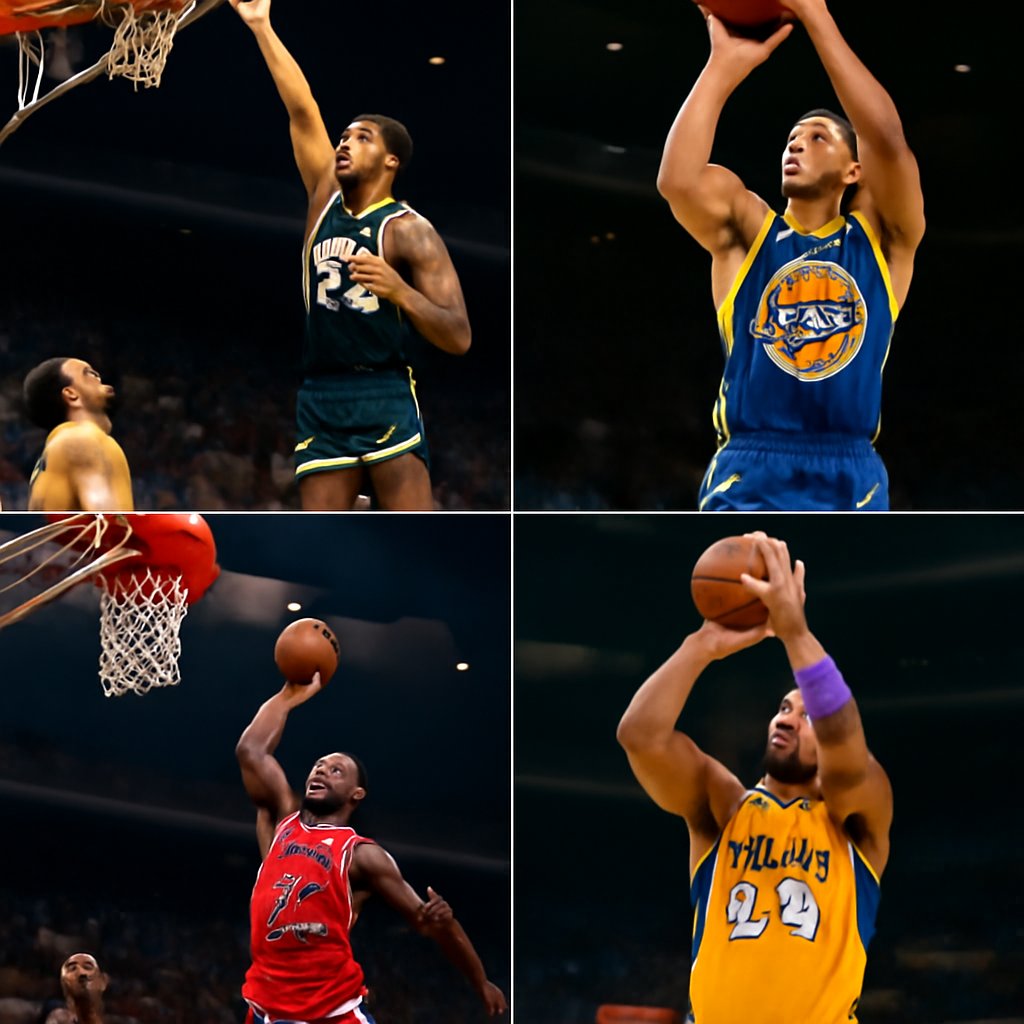
Man, when I think about how player loyalty has shifted across NBA history, it hits different because I laced up for four years playing college ball, so I know what it feels like to grind through the same locker room, the same defensive schemes, building that unspoken chemistry where you can feel your teammate’s next cut before it even happens. In the 1950s through the 1970s, that kind of long-term commitment was the norm, and it fueled iconic franchises like the Boston Celtics. Stars like Bill Russell stuck around for 13 seasons, winning 11 championships while anchoring everything with that steady presence. Bob Cousy and John Havlicek did the same, never leaving the uniform that made Boston a powerhouse. The advanced metrics back up what any player who’s been in the gym knows—average tenure sat above eight years back then, with less than 10 percent roster turnover annually. That stability let teams develop sophisticated systems that paid off in the playoffs, and in Black American communities, where ball has always been more than a game—it’s family, it’s representing your people—that kind of loyalty echoed the way we held onto our neighborhoods and our roots.
Back in those early decades, players didn’t have the leverage they do today. The reserve clause meant teams essentially controlled players for life, binding them to franchises through perpetuity unless traded or released. While that seems restrictive now, it created something powerful: generational rosters that knew each other inside and out. The Lakers’ Showtime era in the 1980s, while slightly more modern, still built on that foundation with Magic Johnson, Kareem Abdul-Jabbar, and James Worthy staying together long enough to win five championships in a decade. That consistency allowed coaches like Pat Riley to implement complex offensive and defensive philosophies that took seasons to perfect. When your guards, forwards, and centers understand spacing and rotations at an intuitive level, it becomes nearly impossible to defend.
The free agency era that kicked off in 1976 flipped the script. Moses Malone started showing how stars could chase better situations, and by the 1980s and 1990s, average tenure dropped to around five years. Guys like Charles Barkley tested the market, while Michael Jordan’s decision to stay with the Chicago Bulls stood out as something rare and powerful, powering six titles and giving the franchise its identity. I remember watching that and thinking about how in our culture, loyalty to the squad that drafted you can feel like staying true to the block even when bigger opportunities call. The salary cap created real financial pulls, though, and playoff coverage from those years showed how midseason moves wrecked rotations. Yet teams that kept their core intact still found ways to go deep.
The 1990s and early 2000s showcased interesting contrasts in how loyalty paid off. The San Antonio Spurs drafted Tim Duncan in 1997 and built an entire dynasty around his presence, with Gregg Popovich coaching from 1996 until 2023—a partnership that produced five championships. That continuity in both playing personnel and coaching staff became the template for sustained excellence. Meanwhile, the Los Angeles Lakers struggled through the early 2000s until they acquired Shaquille O’Neal and Kobe Bryant stayed committed, creating another three-peat from 2000-2002. But by the mid-2000s, as salary caps tightened and revenue sharing changed, players increasingly viewed free agency as their right and responsibility to maximize earnings. The narrative shifted from “loyalty to the organization” to “earning what you’re worth in an open market.”
These days, the tension between superteams and one-team standouts is real. LeBron James moved around chasing titles, while Stephen Curry’s commitment to the Golden State Warriors delivered four championships and proved small-market teams could win big. Kevin Durant’s 2016 arrival in Golden State changed the Western Conference landscape overnight. Data from the last decade shows average tenure now below four years, with stars prioritizing windows over longevity. Still, players like Dirk Nowitzki and Tim Duncan showed what sustained loyalty can produce—historic runs and franchise legacies. The advanced metrics back up what any player who’s been in the gym knows: squads keeping at least three core guys together for five-plus seasons reach deeper into the postseason on average. In Black American culture, where basketball carries the weight of community pride and second chances, those rare constants remind us of the value in building something that lasts.
The evolution of player movement has created fascinating ripple effects across the league. When superstars routinely change teams, it redistributes talent in ways that can make the league more competitive but also more volatile. The 2020 trade deadline saw multiple All-Stars shift franchises, completely reshaping playoff expectations. Teams that invested in developing homegrown talent through the draft—like the Denver Nuggets with Nikola Jokic, Jamal Murray, and their supporting cast—found themselves in a stronger position than those depending on free agency acquisitions. Stability in the front office matters too; franchises with consistent general managers and coaching staffs tend to retain their stars longer, and those retained stars tend to play at higher levels. The Miami Heat’s culture of player development and organizational consistency, for instance, has allowed them to remain competitive even after losing stars like LeBron James and Chris Bosh.
The financial landscape has dramatically shifted player decision-making. In the 1970s and 1980s, the difference between what a star earned with one franchise versus another might be modest—maybe 20 or 30 percent difference. Today, max contract offers can vary wildly based on market size, team cap situation, and endorsement opportunities. A player staying with their draft team might sacrifice tens of millions of dollars compared to signing with a wealthy franchise in a major market. That reality has made loyalty exponentially harder to expect, and it’s changed how we evaluate player choices. When Damian Lillard requested a trade from the Portland Trail Blazers in 2023, after spending 11 seasons there as the franchise’s centerpiece, it sparked conversations about burnout and the psychological toll of losing in a small market with limited star power around you.
The numbers tell the story plain: players finishing their whole career with one team fell from 22 percent in the 1960s to under 8 percent since 2000. Average tenure dropped from 8.4 years pre-1980 to 3.9 years now. Franchises holding their top scorer for seven-plus seasons hit the Conference Finals 47 percent more often. Only 14 active players have played 800-plus games for one team, with Curry leading that list for the Warriors. And postseason win rates jump 12 percent when core trios stay together beyond four seasons. These statistics reflect more than just nostalgia for an older era—they point to something fundamental about how basketball operates as a team sport. The longer players operate within the same system, the better they understand spacing, timing, and how to elevate role players around them.
Looking forward, the trend toward shorter tenures seems locked in. The league’s new collective bargaining agreement maintains free agency flexibility, and younger players entering the league now view movement as a standard career strategy rather than an exception. However, there’s growing recognition that true dynasties—the teams we remember decades later—still require some level of continuity. That tension will likely define the NBA for years to come.
Loyalty keeps evolving with money, competition, and lifestyle in the mix. Movement creates the drama we all watch, but that deep, physical bond built over years still separates the dynasties from the flashes.