
Houston Basketball: Complete Guide to Cougars, Rockets & Texas Hoops History
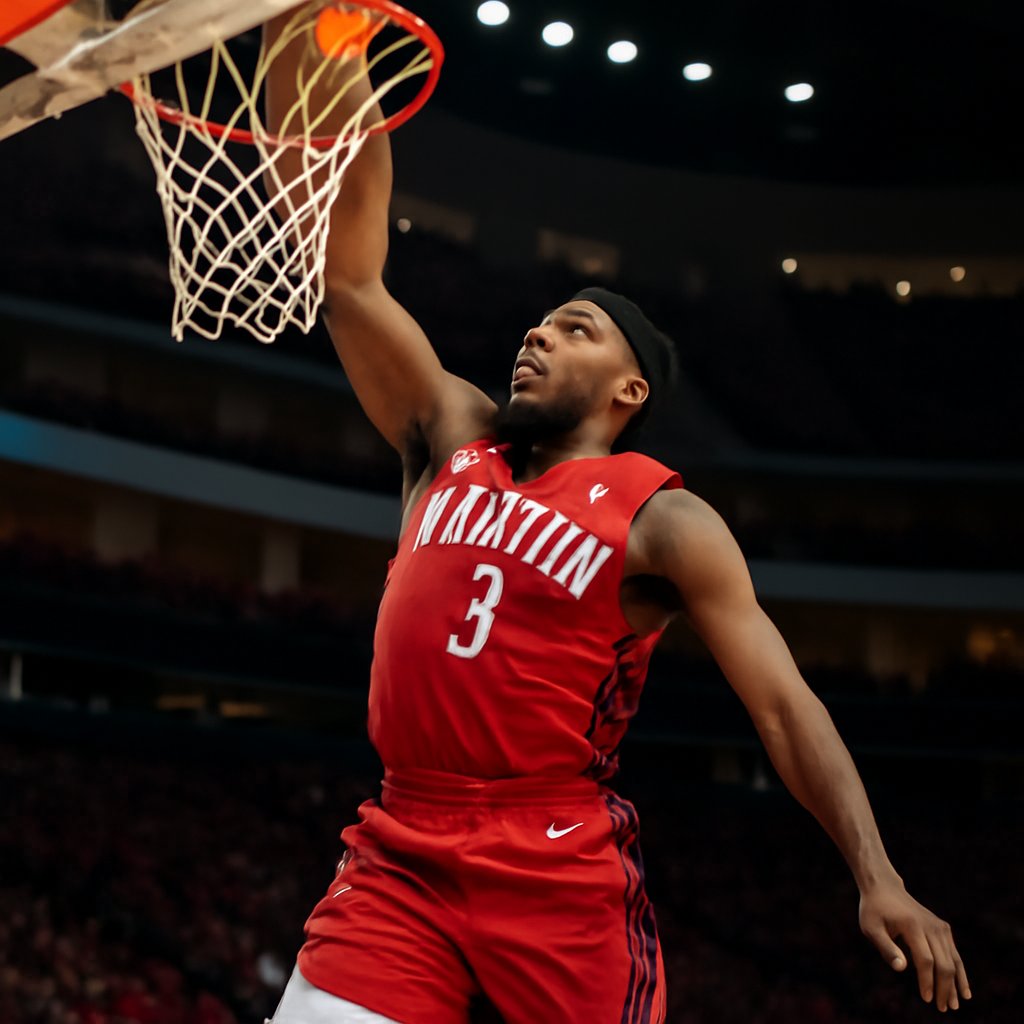
Houston basketball carries a heartbeat that pulses through neighborhoods from Third Ward to the Toyota Center, where the game has always been bigger than stats or standings. From the thunderous dunks of Phi Slama Jama to the Rockets’ back-to-back titles, the city’s hoops story is one of resilience, innovation, and the kind of player development that turns raw talent into something the whole community can claim. What gets lost in the highlights is how these teams have long served as gathering points, places where families pass down pride and young folks see paths forward—whether that’s in the NBA, the WNBA, or right back home coaching the next generation.
The University of Houston Cougars have built something special under Kelvin Sampson, turning the program into a defensive force that regularly contends in the NCAA tournament while competing in the American Athletic Conference. Their rise reflects a broader Houston truth: excellence often comes from grinding together. The Fertitta Center hums with an energy that rewards ball movement and tough defense, and the recruiting classes keep landing top-25 talent, especially guards and wings ready to grow. Players like Quentin Grimes, Marcus Sasser, and Caleb Mills have shown how the Cougars system prepares folks for the next level, with underclassmen heading to the draft while the program stays steady. The Cougars’ commitment to defensive principles—often holding opponents to the 30s in scoring efficiency—has become a trademark that scouts and NBA teams recognize immediately when their players arrive at the professional level.
Sampson’s tenure has also emphasized the importance of player retention and development. Rather than chasing one-and-done prospects, the Cougars have built rosters where players spend multiple seasons refining their craft, understanding the system deeply, and becoming leaders. This philosophy has paid dividends in tournament success and in how Houston develops complete players rather than raw athletes. The program’s recent tournament appearances, including Sweet 16 runs, demonstrate that this approach works in modern college basketball.
No conversation about Houston hoops feels complete without lifting up the Phi Slama Jama era of the early 1980s. Clyde Drexler, Hakeem Olajuwon, and Larry Micheaux gave the world a style that was equal parts power and poetry—those high-flying runs to back-to-back title games in 1983 and 1984 didn’t just put the Cougars on the map; they helped shape how college basketball could electrify a city. Olajuwon’s dominance laid groundwork that still echoes, proving that Houston could develop centers who changed games on both ends. The term “Phi Slama Jama” itself became synonymous with creative, high-octane basketball—a style that influenced generations of players who followed. Games featuring these Cougars squads would draw 30,000-plus fans to the Astrodome, creating an atmosphere that rivaled NBA games and proved college basketball could captivate a major metropolitan area.
The 1983 championship game loss to North Carolina State, despite featuring a dominant Houston team, remains a bittersweet memory for Cougars faithful. Yet that run cemented Houston as a serious player in college basketball’s upper echelon. The program’s success during this era also attracted national attention to Houston’s basketball culture more broadly, helping establish the city as a basketball hotbed rather than just a football town.
That same foundation carried into the professional ranks with the Rockets. The two championships in 1994 and 1995, powered by Olajuwon’s footwork and basketball IQ, remain landmarks. Teaming with Drexler in ’95 gave Houston one of those rare balanced squads that felt like destiny. Olajuwon’s performance in the 1995 Finals, where he averaged over 30 points while anchoring a suffocating defense, demonstrated why he remains one of the greatest centers in basketball history. The Rockets’ roster that year also featured role players who understood their assignments—Vernon Maxwell, Robert Horry, and Otis Thorpe all contributed meaningfully to a team built on principle rather than star power alone.
Later, James Harden’s arrival in 2012 flipped the script again, bringing isolation brilliance and an analytics-heavy approach that produced 65 wins in 2018 and an MVP season for Harden himself. Those teams stretched the offense in ways that still influence how the game is played today. Harden’s combination of size, ball-handling, and crafty footwork—much like Olajuwon before him—showed that Houston could develop or attract the kind of perimeter talent that could carry a team deep into the playoffs. The 2017-18 season, when the Rockets pushed the Golden State Warriors to seven games in the Western Conference Finals with a small-ball approach around Harden and Chris Paul, represented one of the most competitive playoff series of the era.
The Rockets’ history of offensive innovation extends beyond individual stars. The organization has consistently been ahead of the curve in embracing three-point shooting, pace-and-space concepts, and data-driven player evaluation. Under Daryl Morey’s front office leadership during the Harden era, the Rockets operated with a philosophical clarity about what modern basketball rewards, implementing systems that maximized efficiency even when conventional wisdom suggested otherwise.
Now the Rockets are in a fresh chapter with young pieces like Jalen Green, Alperen Şengün, and Fred VanVleet, guided by Ime Udoka’s defensive-minded vision. Green, the second overall pick in 2021, represents the kind of explosive athleticism Houston has historically valued, while Şengün’s technical skill and high basketball IQ echo the Olajuwon legacy of interior players who can facilitate and create. The emphasis on homegrown growth mirrors what the Cougars have long modeled. Udoka’s arrival signals a potential philosophical shift back toward elite defense as a foundation, mirroring how the greatest Houston teams have always been built.
And while we celebrate these men’s teams, it’s worth noting that Houston’s women’s basketball legacy—anchored by the WNBA’s four-time champion Comets—showed the same citywide pride and player development long before many gave it equal shine. The Comets, led by Sheryl Swoopes, Tina Thompson, and Kim Perrot, dominated the WNBA’s early years and drew capacity crowds at The Summit. Their excellence demonstrated that Houston could support and celebrate elite women’s basketball, a truth that remains relevant as the WNBA continues to grow. The through-line remains clear: from college to pros, Houston keeps sending talent upward while the community holds the culture close.
The shared pipeline between the University of Houston and the Rockets continues to matter. Olajuwon and Drexler aren’t just legends; they’re proof that the city’s ecosystem works when it invests in people. Today’s roster turnover at both levels keeps things dynamic, yet the standards—character, academics, winning—stay rooted. Houston basketball’s future looks steady, with the Cougars chasing more deep tournament runs and the Rockets building toward another contender window. In a sport that often reduces everything to wins and losses, this city reminds us that the real measure is how the game lifts the people who love it most.
Sources
- NBA.com Rockets – Official Houston Rockets team page and statistics
- ESPN Rockets – Houston Rockets news, scores, and standings
- Basketball Reference Rockets – Historical team statistics and season records
- ESPN Houston Cougars – University of Houston basketball news and information
- Sports Reference Houston –