
Utah State Basketball: Aggies Stats, Schedule, and NCAA Tournament History
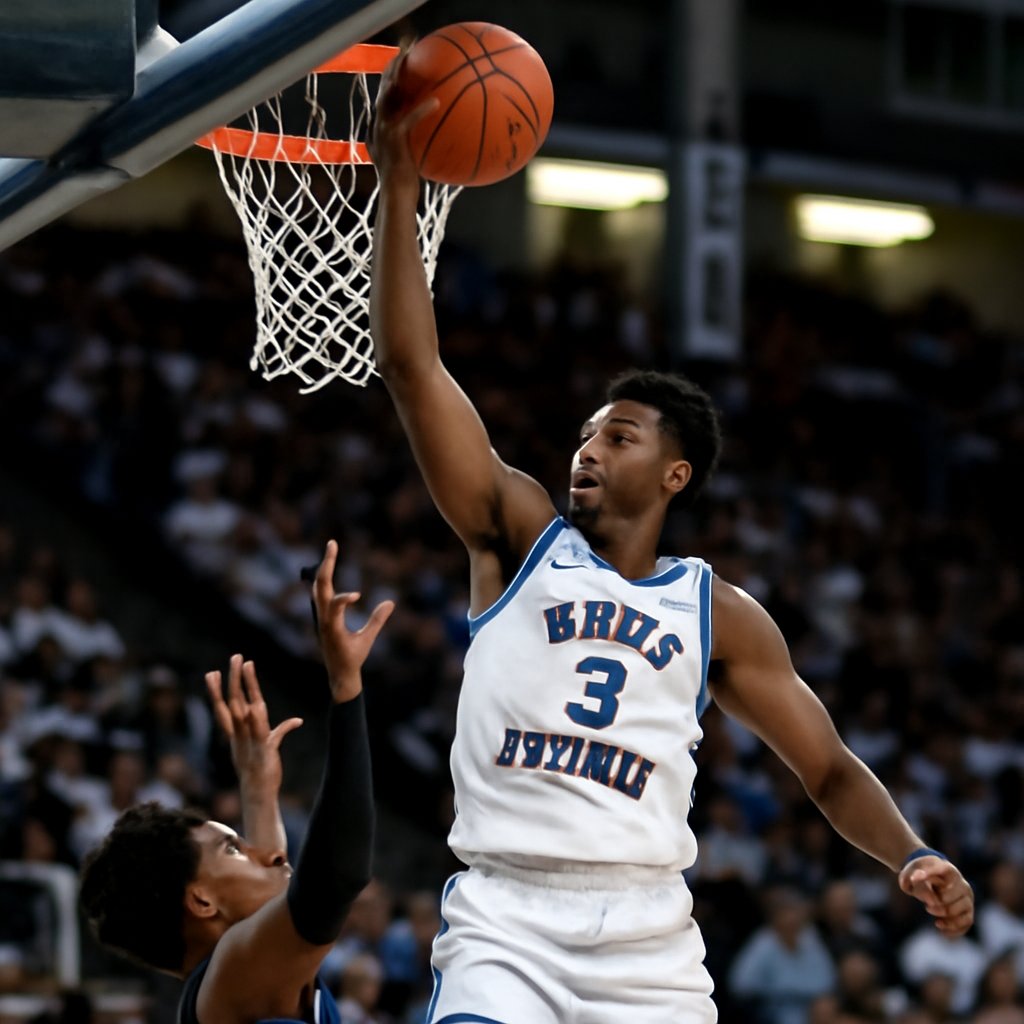
Out in Logan, Utah, the Aggies have carved out a real home at the Spectrum, that 10,270-seat arena where the crowd noise hits different and visiting teams feel every inch of the Mountain West pressure. Utah State basketball has grown into one of those steady mid-major programs that punches above its weight, mixing uptempo offense with defensive grit season after season. What gets lost in the highlights is how programs like this become lifelines for players chasing a shot at the next level, building community pride in places that don’t always get the national spotlight.
The Aggies have stacked multiple NCAA tournament bids and even claimed NIT titles over the years, turning close games and high-pressure moments into program DNA. Their recent play keeps them right in that bubble conversation, with RPI numbers that tell the story of consistent conference competition despite fewer resources than the big Power programs. The game has always been bigger than stats, and Utah State’s ability to develop guards and forwards who can shoot, defend multiple spots, and run in transition shows the kind of patient work that pays off long after college.
Coaching staffs here have kept the system flexible, leaning into ball movement, floor spacing, and three-point volume while mixing man and zone looks on defense to force turnovers and protect the glass. It’s the same emphasis on fundamentals and versatility you see helping players transition to professional ball, whether that’s the NBA or the WNBA, where teams value spacing and defensive switchability just as much. Utah State’s rosters usually run 12-15 scholarship players, heavy on guards who can handle and knock down shots from deep, with forwards and centers focused on rebounding and rim protection.
Conference play against Nevada, San Diego State, Fresno State, and Wyoming means long road trips and physical battles that test everybody. Those Mountain West wins matter double because at-large bids don’t come easy. The program has sent players to the draft and pro leagues overseas, proof that the development pipeline works when coaches prioritize growth over flash. Game days at the Spectrum carry that electric regional energy, with fans showing up through the ups and downs because basketball here feels like part of the town’s fabric.
Utah State’s NCAA Tournament history stretches back further than many realize, with tournament appearances dating to the 1960s when college basketball carried different weight across regions. The Aggies made their breakthrough NCAA appearance in 1959, followed by consistent tournament runs during the 1980s and 1990s that built the foundation for modern success. More recently, tournament bids in 2019 and other seasons have validated the mid-major approach, proving that consistent conference excellence translates to postseason opportunities. Those runs through March have produced memorable moments—upset victories, close losses to higher seeds, and performances that put Utah State on a national stage, even if briefly.
The development of individual players remains central to the program’s identity. Guards like those who’ve transferred to or come through Logan have found success partly because Utah State emphasizes ball handling, court vision, and the ability to attack closeouts. Big men in the system learn versatility—they need to step out and defend on the perimeter in today’s game, rebound in traffic, and occasionally face up on smaller defenders. Forwards get the full skill treatment, expected to contribute on both ends and understand spacing principles that make offenses flow. This player development approach has created a pipeline where even undrafted free agents find NBA Summer League opportunities and G League spots because their fundamentals and understanding of modern basketball principles stand out.
The statistical profile of Utah State teams typically shows balanced scoring, with multiple players capable of scoring in double figures. Three-point shooting percentages usually run between 35-38% for the season, competitive by any standard, while defensive metrics show solid steal and turnover-forcing numbers thanks to aggressive full-court pressure at times and switching schemes. Rebounding margin often determines close games, and the Aggies’ emphasis on this unglamorous aspect has paid dividends in conference play where every possession counts. Free throw shooting discipline—another overlooked stat—has been a strength, with teams shooting upwards of 72% from the line, crucial in close tournament games.
Looking at the schedule year to year reveals the Mountain West gauntlet that separates pretenders from contenders. The conference features programs with legitimate basketball traditions, strong coaching, and athletes who chose mid-major schools strategically. Playing in this environment means Utah State gets tested regularly, which helps tremendously in NCAA tournament preparation. Road games at places like San Diego State’s Viejas Arena or Fresno State’s Save Mart Center come against crowds and competition that rival many mid-Power Conference matchups. These experiences toughen teams and help neutral observers understand that Utah State wins actually matter—they’re wins against legitimate opposition, not inflated by cupcake scheduling.
The transfer portal era has opened new avenues for Utah State’s recruitment strategy. Rather than waiting years for high school prospects to develop, the program can target junior college transfers or graduate students looking for a final season of eligibility. This approach works particularly well at the mid-major level, where rosters benefit from experienced veterans who understand roles and can contribute immediately. The balance between traditional recruiting and portal additions has become key to maintaining consistent quality.
The Spectrum’s home-court advantage cannot be overstated. Playing in Logan at 4,400 feet elevation presents challenges for visiting teams’ conditioning and shooting touch. The arena’s design and enthusiastic fan base create noise that forces opponents into poor decisions and flustered execution. For Utah State, playing 20+ home games annually in this environment essentially guarantees several wins that might be losses in a neutral setting. Tournament success often hinges on road performance, and teams that handle adversity away from home advance furthest.
Looking ahead, the Aggies keep landing recruiting classes that compete at the mid-major level and have the infrastructure to chase more NCAA appearances. Their future rests on staying adaptable with three-point shooting, transfer additions, and that defensive toughness that’s become a calling card. For folks who love college hoops, Utah State offers the kind of team-first basketball that reminds us why the sport still means so much in communities chasing opportunity and pride. The program’s trajectory suggests continued relevance in postseason conversations, with potential for surprise tournament runs when everything aligns—roster health, shooting variance, and March momentum combining into something special.
Sources
- NBA.com Stats – Official NBA statistics and player data
- ESPN College Basketball – NCAA tournament schedules and standings
- Basketball Reference – Historical college basketball statistics and tournament records
- Utah State Athletics – Official Aggies basketball program information
- NCAA.org – Official NCAA Tournament history and records