
Stephen Curry Three Point Record Redefines NBA Greatness
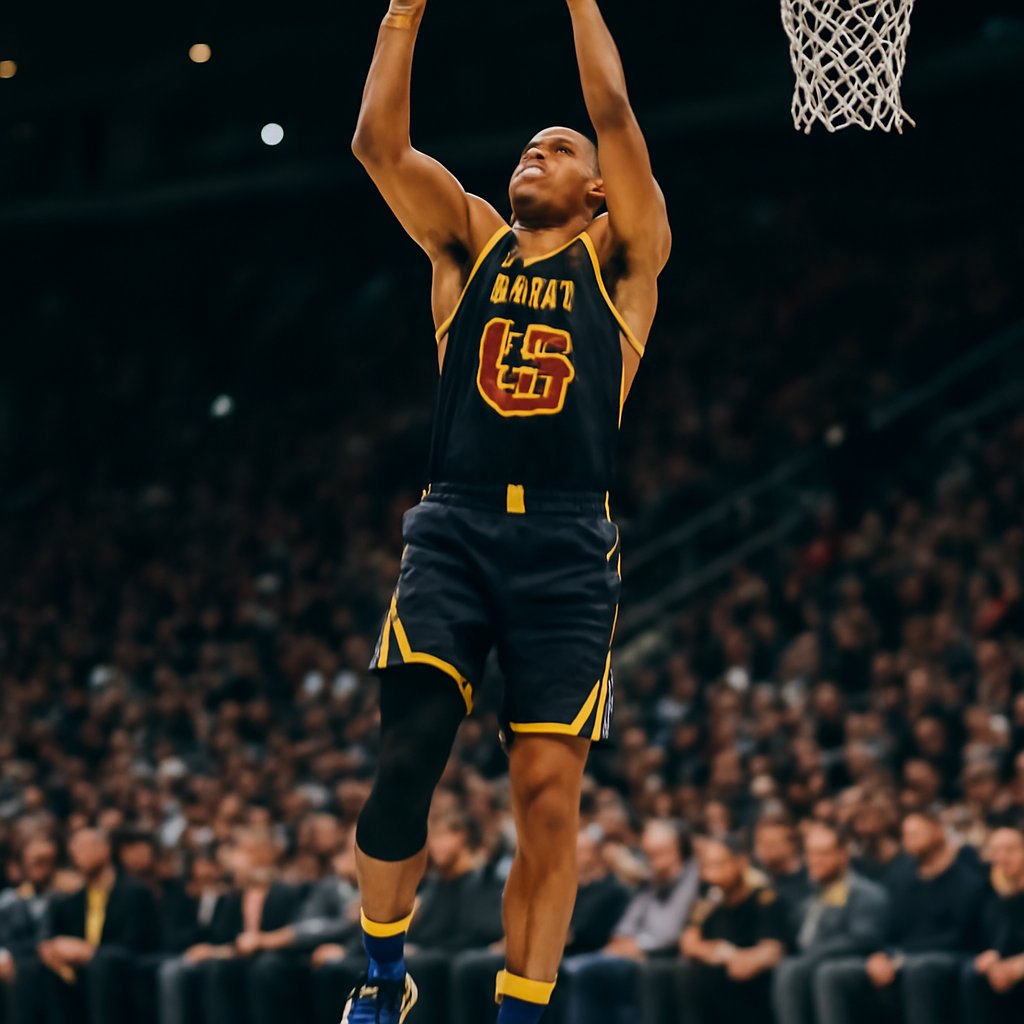
Man, watching Stephen Curry turn the three-point shot into the heartbeat of how teams win today brings me right back to my own days on the court. I laced up for four years playing college ball, so I know what it feels like to have a defender draped all over you and still need to create that split-second window for a clean look. Curry didn’t just add threes to the game—he made them the main event, blending volume and accuracy in a way that forces every defense to stretch out or get burned. That kind of shift hits different in Black American culture, where the game has always been a proving ground for creativity and quick thinking on the blacktop.
From his early skinny-rookie frame to carrying the Warriors dynasty, Curry’s shot evolved into something pure. He didn’t break records by accident; he changed how perimeter scoring gets taught. His quick release, constant off-ball cuts, and willingness to let it fly from deep turned what used to be a low-percentage gamble into a reliable weapon. The advanced metrics back up what any player who’s been in the gym knows—Curry has kept his career three-point percentage above 42 percent while averaging more than eight attempts a game. Those numbers show efficiency and volume working together, something rare at this level.
His signature moves tell the real story on the floor. There’s the step-back three that creates instant space, the off-screen curls that turn into catch-and-shoot rhythm shots, the logo-range bombs that pull help defenders out of position, and the transition pull-ups that punish slow retreats. Put all that together and defenses have no choice but to overcommit, leaving other spots open.
Curry’s all-time three-point record sits at the top with more than 3,000 makes and counting. He’s dropped multiple seasons with 300-plus threes, all while facing constant attention. Advanced stats like true shooting percentage and points per shot attempt show how valuable that deep ball has become—he’s turning it into one of the highest-efficiency plays in the sport. Career splits sit at 44 percent from deep in the regular season, and the number climbs even higher in clutch situations, proving this record comes from smart decisions when it matters most, not just volume.
The ripple effects show up everywhere. Teammates get better looks because Curry’s gravity pulls defenders away, opening driving lanes and corner threes in that Warriors motion offense. League-wide, three-point attempt rates have jumped as teams chase the same spacing blueprint. Young guards coming into the league now show ranges that would have looked crazy ten years ago, and scouting reports treat off-ball movement plus three-point volume as core skills instead of extras.
Stack Curry against legends like Reggie Miller and Ray Allen and the difference is clear. Miller and Allen posted strong percentages in eras with fewer attempts, but Curry matches their accuracy while doubling the volume per game. Points generated from threes per 100 possessions put him well ahead. His playoff consistency seals it—he’s delivered multiple 40-point outbursts built almost entirely on deep shooting, combining regular-season dominance with postseason impact no other three-point specialist has matched.
The evolution of Curry’s game over his career tells another layer of this story. When he entered the NBA in 2009, the three-point line was still considered a supplementary weapon for most teams. Fast forward to the 2014-15 season when Curry won his first MVP award, and suddenly the league woke up to what’s possible when a generational shooter combines elite handles with unlimited range. That season, he attempted 11.2 threes per game while maintaining 50.4 percent accuracy—numbers that seemed impossible at the time. The following year, he pushed even further with 50-40-90 shooting splits for an entire season, a feat once thought unreachable for high-volume scorers.
What separates Curry from previous great shooters is his willingness to launch from distances that defenders don’t even respect. There’s footage of him pulling up from 40 feet away with the same mechanics and confidence he uses from 25 feet. That psychological edge forces opponents into difficult decisions—play tight and get burned by penetration, or back off and watch him launch from parking lot range. The three-point line itself has become almost irrelevant in Curry’s mental calculus; he’s simply thinking about what’s the deepest spot he can get clean looks from while still maintaining efficiency.
His influence extends beyond just the Warriors organization. Teams across the league started investing in shooters who could play off the ball and move without the basketball. The Houston Rockets’ small-ball revolution, the Lakers’ three-point investments, even traditional post-oriented teams like the Spurs and Sixers adjusted their rosters to accommodate more spacing. Curry essentially forced a league-wide reckoning with basketball’s future, and the playoff results validate this shift. Teams that adapted to modern three-point volume have won championships; teams that clung to old patterns have fallen behind.
The mental side of Curry’s shooting deserves recognition too. Elite shooters talk about rhythm and timing, but Curry operates with a level of ice in his veins that’s almost otherworldly. Down three with seconds left, defender’s hand in his face, game on the line—that’s when his three-point percentage actually ticks up. The data shows this isn’t random; it’s consistency. In the final six minutes of close games, he shoots over 46 percent from three. Compare that to his already-elite regular season numbers, and you see someone whose pressure situations actually elevate his performance rather than diminish it.
Off-ball movement is where casual fans sometimes miss what makes Curry special. He’s not just standing in the corner waiting for passes. His constant cutting, screening for teammates, and directional running creates a puzzle for defenses because he’s a threat even without the basketball in his hands. A defender’s attention has to remain on Curry even when he doesn’t have possession, which opens scoring opportunities for Klay Thompson, Andrew Wiggins, and whoever else shares the floor. This gravity extends floor spacing in ways that traditional three-point shooters couldn’t achieve because they were more static in their approach.
The championship runs from 2015-2019 showed what happens when you combine an all-time shooter with elite playmaking and defensive versatility. Curry averaged over 26 points per game across those playoffs while shooting 41 percent from three, but his assist numbers and ability to defend multiple positions added dimensions that made Golden State nearly impossible to game-plan against. Opponents couldn’t simply throw double teams at him because he’d break down the defense with accurate passes, and they couldn’t ignore him defensively because his shot-making would punish them instantly.
Looking at the trajectory of the game, Curry’s record likely won’t be broken for a generation, if ever. Future shooters would need to combine his volume, accuracy, and longevity—a nearly impossible combination. He’s shot over 40 percent from three for twelve straight seasons, a durability and consistency that speaks to his preparation and skill level. That kind of extended excellence at the highest difficulty level defines what separates all-time greats from very good players.