
Nikola Jokic Triple-Double Stats: The Blueprint for MVP Success
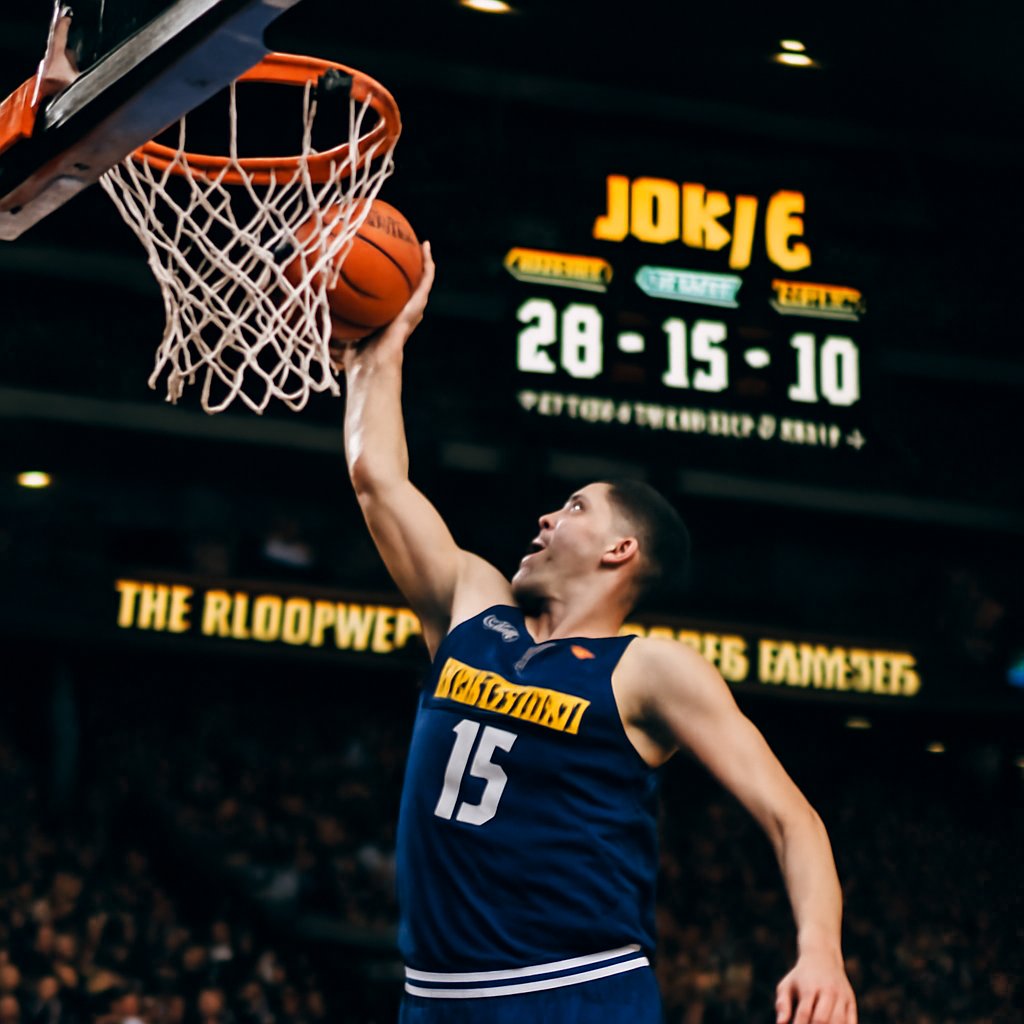
Nikola Jokic keeps redefining what a big man can actually do on the floor, mixing scoring, rebounding, and playmaking in ways that have already locked up multiple MVP trophies for him. His triple-double frequency from the center spot has turned the Nuggets into a team that just keeps showing up in the title conversation, and those stat sheets tell the story plain as day. I laced up for four years playing college ball, so I know what this feels like—trying to fill every column without losing your legs by the fourth quarter—and Jokic makes it look like second nature.
His peak stretches stand out because they come so often. Games where he drops 25-plus with 12 boards and eight dimes, sometimes pushing the assists into double figures, show a 7-footer who moves the ball like a point guard while still cleaning the glass himself. The advanced metrics back up what any player who’s been in the gym knows: that kind of vision plus touch creates mismatches defenders can’t fix with size alone.
Key marks in his triple-double production include multiple 30-point outings that also set career highs in assists, seasons where he leads all centers in those games by a wide margin, and long runs of at least 10 rebounds plus five assists night after night. These aren’t flukes; they show how he turned what used to be rare big-man nights into the expected standard.
Break down the core numbers and you see why the triple-doubles carry real weight. His scoring sits in the mid-to-high 20s with true shooting above 60 percent, built on that unstoppable post game and the three-ball that keeps defenses honest. Rebounds stay near double-double territory thanks to positioning and second-chance work, while assists hover around eight or nine as he runs the offense from the high post. I remember how in Black American basketball culture, from the playgrounds up, the best bigs always made the game easier for everybody else—Jokic carries that same DNA into the league.
Pair those counting stats with the advanced stuff and his MVP case gets even sharper. Usage around 35 percent with turnovers under 15 percent is rare, and his assist-to-turnover ratio often clears 3-to-1 in triple-double games. When he hits those 10-10-10 lines, Denver’s offensive rating jumps, proving the direct impact on the floor.
What makes Jokic’s triple-double consistency even more remarkable is the volume at which he achieves them while maintaining elite efficiency. Over his prime seasons, he’s recorded triple-doubles at a rate that puts him in rare historical company. The 2021-22 season alone showcased 29 triple-doubles in the regular season, demonstrating how he’s woven this accomplishment into his nightly approach rather than treating it as an occasional achievement. His ability to reach these thresholds without sacrificing shooting percentage or forcing plays shows a complete understanding of spacing and timing that younger centers simply haven’t mastered yet.
The playmaking dimension deserves its own deep dive because it’s what truly separates Jokic from other high-volume scorers and rebounders. His passes from the post create open three-pointers at a clip that forces defenses into impossible choices. When he’s handling the ball on the wing or at the top of the key, big men defending him can’t cheat toward the help defense without leaving him open for a shot. This gravity—the space his mere presence creates—magnifies his teammates’ production. Jamal Murray’s efficiency numbers tick higher when Jokic’s assist totals climb, and role players like Christian Brown have thrived on catch-and-shoot opportunities born from Jokic’s high-post vision.
His rebounding prowess extends beyond just boxing out and collecting loose balls. Jokic’s positioning sense allows him to anticipate where shots will fall and attack the glass aggressively while still maintaining defensive balance. His rebound rate—the percentage of available rebounds he grabs while on the floor—consistently ranks among league leaders, even more impressive given that he spends significant time away from the basket running the offense. This two-way impact on the glass directly translates to transition opportunities and limits opponent second-chance points, both critical factors in playoff basketball where possessions matter even more.
Those triple-double games line up with Nuggets wins more than single-category explosions do. The team wins at a higher clip when he reaches that territory, and it carries into the playoffs where his ability to fill multiple columns helps beat schemes built to stop one star. You see better defensive rebounding when his assists climb, fewer opponent second-chance points on his board-crashing nights, and teammate field-goal percentages rising from his precise entry passes.
The three-point shooting component of Jokic’s game has fundamentally altered how teams must defend him and every other big going forward. A 7-footer hitting 35 percent or better from beyond the arc changes everything about how defenses construct their schemes. Centers can’t camp in the paint to protect the rim because they’d be guarding Jokic out to the three-point line, opening driving lanes for Denver’s guards. This spacing benefit ripples throughout the entire offensive system, creating easier paths to the basket for everyone wearing a Nuggets jersey. His willingness to take threes and his reliability from distance makes him unique among his peers and explains why his triple-doubles come with such high offensive efficiency.
Stack him against the historical triple-double leaders and his profile stands apart. Magic brought guard-centric dominance, Westbrook brought explosive athleticism, but Jokic delivers similar volume from the five spot with better efficiency and fewer turnovers. His size, skill, and stamina let him stay in that triple-double threat deeper into games and seasons. Adjusted for pace and position, his career triple-double rate per 100 possessions tops many Hall of Famers, and defenses have to game-plan a big who can shoot, pass, and finish inside in ways earlier bigs rarely faced at this level.
The durability factor can’t be overlooked when evaluating Jokic’s sustained excellence. Back-to-back triple-double seasons require both physical resilience and basketball intelligence. He’s managed his body well enough to log significant minutes without the injury setbacks that plague many bigs in their prime years. His playing style—relying more on positioning and touch than explosive athleticism—naturally extends his career longevity and maintains the consistency required for triple-double frequency. Unlike guards who depend on lateral quickness or wings relying on first-step explosiveness, Jokic’s fundamental approach to the game actually improves with experience and film study.
Looking at the broader context, Jokic’s triple-double success influenced how NBA franchises now evaluate and develop big men. Teams searching for centers now prioritize passing ability and spacing over traditional shot-blocking and interior defense. His blueprint proves that versatile, skilled bigs can anchor championship teams while doing it efficiently. Younger centers entering the league now train more extensively on ball-handling and perimeter shooting, understanding that the Jokic model represents the future of the position.
Voters keep rewarding these lines because they match winning and efficiency numbers like player efficiency rating and win shares. In seasons where he piles them up, his box plus-minus often leads the league, and real plus-minus shows how his presence lifts every lineup he shares the floor with. Jokic’s mastery marks the next step for NBA bigs—old-school fundamentals meeting new-age spacing—and those stats keep setting the bar future MVPs will chase.