
LeBron James All Time Scoring Records Explained
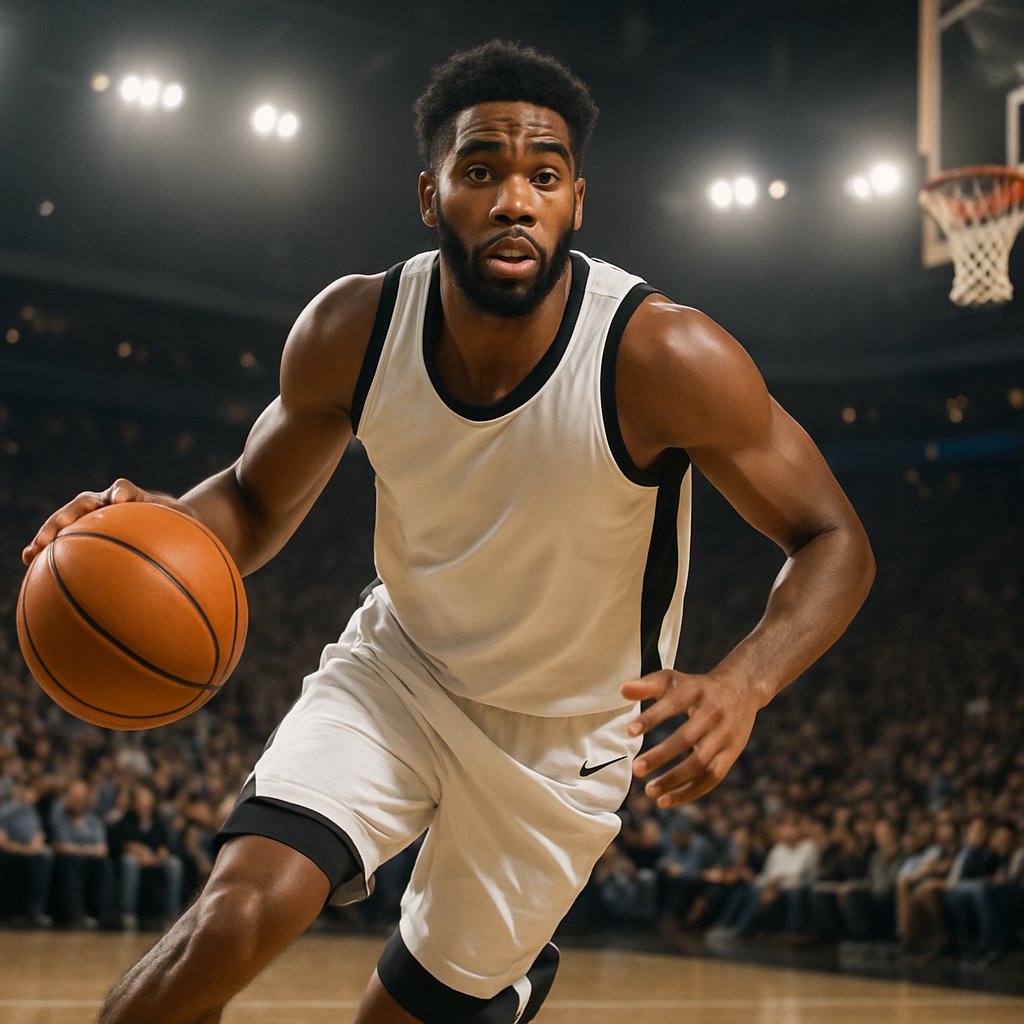
LeBron James stacking up those all-time scoring records hits different when you think about the sheer physical price of it all. I laced up for four years playing college ball, so I know what this feels like—every extra game, every extra minute on the floor, it adds up in your knees, your back, your mind. LeBron becoming the league’s all-time leading scorer, passing Kareem Abdul-Jabbar’s 38,387 points on February 7, 2023, showed the kind of durability that separates the legends from the rest. His path blended raw athleticism with smart, efficient scoring that carried him through two decades.
On that night in Los Angeles against the Oklahoma City Thunder, LeBron only needed 36 points to claim the crown. He dropped a fadeaway jumper in the third quarter and made history. That moment captured his shift from the explosive kid drafted in 2003 to a veteran who had mastered every angle of putting the ball in the basket. The advanced metrics back up what any player who’s been in the gym knows—mixing drives, post moves, and perimeter shooting over that long a stretch takes more than talent. It takes a body that refuses to break.
The road to 40,000 points represents something unique in basketball history. When you break down the math, LeBron needed roughly 2,000 points per season across 20 seasons to reach this milestone. That’s not just high volume—that’s consistency at an elite level while also managing his body for postseason runs. Most scorers either torch the regular season and fade in the playoffs, or they coast in the regular season to preserve energy. LeBron did neither. He maintained scoring efficiency while racking up total points across both regular season and playoffs, something only a handful of players in NBA history have managed.
In the regular season, LeBron’s scoring records show straight consistency. He became the youngest player to hit 10,000, 20,000, 30,000, and 40,000 career points. By his 20th season he’d logged over 1,400 regular-season games while averaging nearly 27 points a night. He slid past Michael Jordan’s total in 2021 and then Kareem’s mark two years later. What sets him apart is adapting across rule changes and defensive trends. The drive-and-kick game, sharpened mid-range game, and corner threes kept him scoring at a high level deep into his 30s. Basketball sits at the heart of Black American culture—from the playgrounds where kids dream of making it out to the pro stage where every point carries extra weight—and LeBron’s run embodies that grind.
His per-game numbers tell their own story. LeBron held a scoring average above 25 points for 17 straight seasons. The efficiency numbers stayed elite even with the volume. That kind of true shooting percentage while carrying a heavy load is rare, and it explains why his totals feel heavier than pure volume scorers from earlier eras. When you look at the three-point line’s evolution in the NBA, LeBron adapted to it seamlessly. In his early years with the Cavaliers and Heat, he wasn’t known as a reliable three-point shooter. By the time he joined the Lakers, he’d developed into someone capable of hitting corner threes and mid-range spots consistently. This evolution allowed him to stay effective even as defenses evolved and spacing became paramount.
The percentage splits reveal another dimension of his scoring mastery. LeBron maintained shooting percentages in the 50-40-90 range multiple times throughout his career—50% from the field, 40% from three, 90% from the free throw line. Reaching that level while also being your team’s primary ball handler and leading scorer is nearly impossible. It requires not just talent but positioning yourself for high-percentage looks and maintaining discipline in shot selection. Even at 38 and 39 years old, he remained above 50% from the field, showing that skill and understanding never truly leave elite players.
Playoff scoring puts an even finer point on it. LeBron owns the record with more than 7,600 postseason points. He dropped multiple 40-point games in Finals series and led the league in playoff scoring several times. He’s the only player to average 25-plus points across 10 different postseasons. Over 260-plus playoff games, that sustained output in the bright lights separates him from guys who peaked only in the regular season. In Black communities, those playoff moments echo louder because they represent carrying a team when everything is on the line. His Finals performances, particularly the 2016 championship run with Cleveland against Golden State, showcased scoring prowess when the stakes were highest.
When comparing postseason performance across eras, context matters. LeBron played in an era with extended playoff formats and deeper tournament runs, meaning more games to accumulate points. However, he also faced more sophisticated defensive schemes and three-point shooting than earlier generations. His ability to score efficiently against teams with elite perimeter defenders—from the Spurs to the Warriors to modern Jazz teams—demonstrates versatility that transcends era differences.
Stack LeBron next to Kareem, Jordan, and Karl Malone and the difference shows up in longevity more than just peak explosiveness. Jordan’s career was shorter, Kareem leaned heavy on the skyhook, but LeBron adjusted across three franchises and shifting rules. His regular-season total sits above 40,000 points and keeps climbing. The gap between LeBron and the second all-time leading scorer continues to widen with each passing season, making it unlikely anyone currently in the league will threaten his record.
The three-team aspect of his scoring legacy adds another layer. LeBron scored over 10,000 points with the Cavaliers, Heat, and Lakers—a distinction no other player shares. This speaks to his ability to fit into different systems and maintain elite-level production regardless of supporting cast. Whether playing with D-Wade and Bosh in Miami, Kyrie and Tristan Thompson in Cleveland, or Anthony Davis in Los Angeles, his scoring remained consistently high. That adaptability across franchises separates him from one-team legends.
Some key marks stand out: LeBron hit 38,388 points to become the all-time leader on February 7, 2023. He owns the record for most 30-plus point games. He’s the only player with 10,000 points for three different teams. His playoff total tops 7,600. He reached 40,000 career points faster than anyone. He averaged 25.7 points across 20 regular seasons. And he holds the mark for most career points in the Eastern Conference Finals.
Looking at the trajectory of his scoring, LeBron’s peak came during his Miami years and early Cleveland return, where he averaged 27-28 points nightly. Rather than declining sharply as most players do, he managed a gradual descent, still posting 25+ point seasons well into his late 30s. This smooth decline curve differs from the cliff many superstars experience, suggesting superior conditioning, intelligent play selection, and willingness to accept slightly fewer scoring opportunities to maintain efficiency.
LeBron’s scoring legacy comes down to talent meeting work ethic and the ability to keep adapting. Breaking Kareem’s record and stacking those playoff numbers means future players will measure themselves against him for a long time. The combination of regular season dominance, postseason excellence, longevity, and multi-team success creates a scoring legacy that stands alone in basketball history.