
Best NBA Bench Units in Recent Seasons
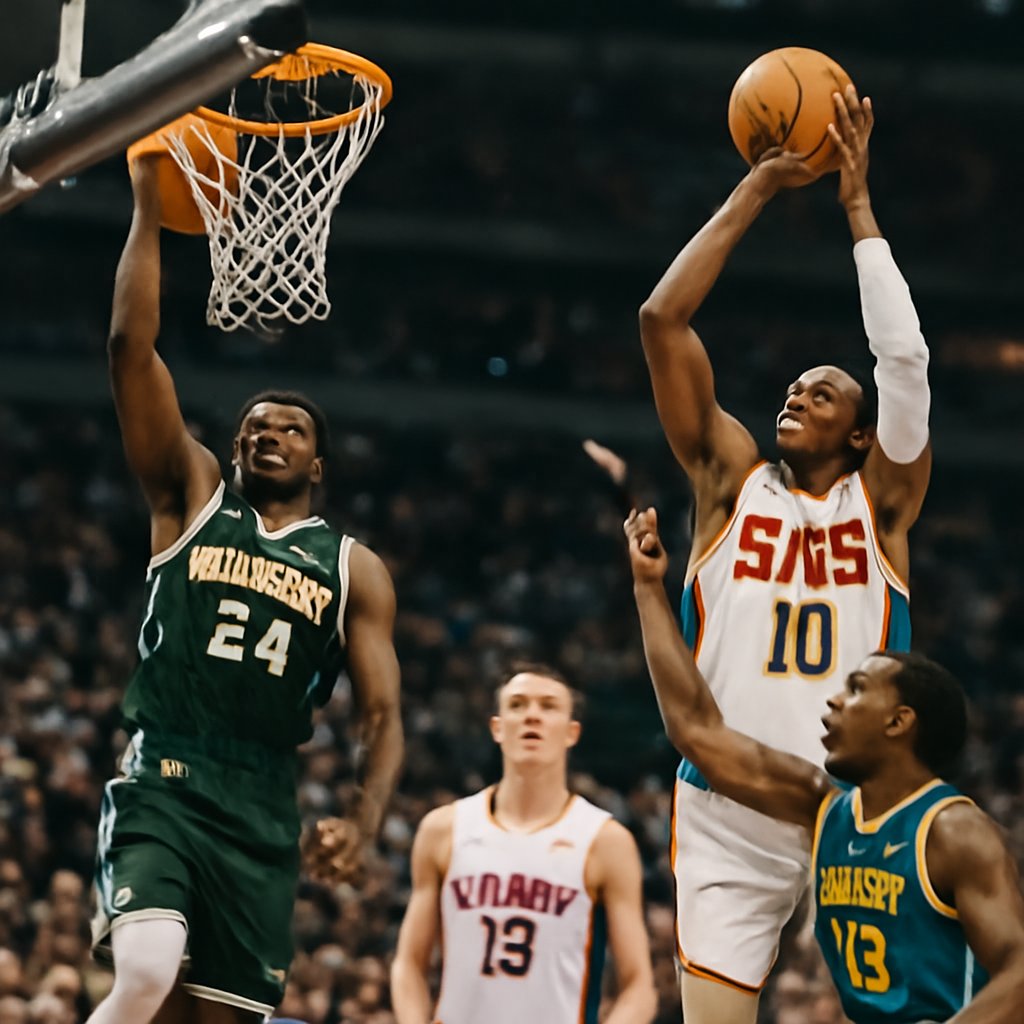
The conversation around what separates contenders from the rest has shifted in recent years, and it’s not just about the stars logging heavy minutes anymore. Depth off the bench has become the quiet engine driving success across an 82-game grind and into the playoffs, especially in an era when load management is real and every possession counts. What gets lost in the highlights is how those second-unit players bring the energy, the timely stops, and the spacing that keep a team’s rhythm alive when the starters need rest. The game has always been bigger than stats; it’s about community, about giving young talent a lane to shine, and about building something that lasts beyond one superstar’s peak.
Across recent seasons, clubs like the Denver Nuggets and Boston Celtics have shown how a tight-knit bench group can outperform what the payroll suggests. These units mix shooters, switchable defenders, and playmakers who thrive in smaller lineups, posting offensive ratings north of 115 while holding opponents under 108 in key stretches. That balance lets coaches manage minutes without losing momentum, a lesson that resonates in both the NBA and the WNBA, where teams like the Las Vegas Aces have leaned on versatile wings and stretch bigs to maintain pressure all game long.
In 2022-2023, the Miami Heat’s bench stood out, with Max Strus and Gabe Vincent combining efficient scoring and perimeter defense to help carry Miami to the Finals on a modest budget. The next season, the Minnesota Timberwolves leaned on a defensive-minded group featuring Kyle Anderson and Naz Reid, who protected the paint and sparked transition play. By 2023-2024, the Oklahoma City Thunder’s second unit, led by Isaiah Joe and Cason Wallace, led the league with a +8.2 net rating over 1,200 minutes, flooding the floor with three-point volume and forcing turnovers. These groups adapt to what their teams need—spacing here, physicality there—and the pattern holds across the women’s game too, where bench production often decides playoff series.
Bench units frequently decide how far a team goes when starters hit foul trouble or fatigue sets in. Since 2021, squads reaching the conference finals have averaged at least 42 bench points per game in the postseason. Naz Reid posted a 62 percent true shooting mark off the bench for Minnesota across two straight seasons, while league-wide bench three-point attempts rose 18 percent from 2020 to 2024 as spacing took priority. The Boston Celtics’ second unit ranked top-five in defensive rating during their 2024 title run. Players logging 20-plus bench minutes per game have factored into 67 percent of teams with 50-plus regular-season wins since 2022.
The evolution of bench play reflects broader changes in how NBA teams construct rosters. Gone are the days when the bench was simply a holding pattern for aging veterans or underdeveloped prospects. Instead, forward-thinking organizations now view bench construction with the same scrutiny they apply to starting lineups. The Denver Nuggets exemplify this approach—their ability to rotate in Christian Braun, Peyton Watson, and others without losing defensive intensity or floor spacing became instrumental in their 2023 championship run. These players don’t need to be all-stars; they need to complement the system and provide positional flexibility.
The financial aspect of bench building presents an interesting challenge. Teams working within salary cap constraints must identify undervalued talent capable of stepping up in meaningful moments. The 2023-2024 Memphis Grizzlies discovered this with players like David Roddy and Brandon Clarke, who provided consistent two-way contributions without commanding max contracts. Meanwhile, the Los Angeles Lakers found value in players like Austin Reaves and Rui Hachimura, who could handle bench minutes while maintaining elite efficiency. Smart front offices study film, leverage advanced metrics, and trust their development staff to mold role players into rotation staples.
Chemistry within bench units develops over time and requires intentional cultivation. Coaching staff dedicates practice time to ensure that second units execute the same principles as starters, maintaining defensive schemes and offensive spacing even when the lineup changes. This consistency prevents opponents from exploiting substitution patterns—a common tactic in previous eras when benches operated differently from starting units. The Atlanta Hawks, despite their early-season struggles, have invested in building continuity among reserve players, understanding that familiarity breeds efficiency. Teams that shuffle bench lineups constantly risk confusion and lapses in execution.
Three-point shooting has fundamentally reshaped bench construction. Guards and wings off the bench must now possess legitimate range, as defenses no longer respect lineup-specific tendencies. This shift benefits versatile wings with size and shooting ability, making players like the Toronto Raptors’ Chris Boucher and the Phoenix Suns’ Frank Kaminsky more valuable than traditional bigs who operate only near the basket. The ability to space the floor means bench units can match up against starting units in certain lineups, allowing coaches flexibility in how they manage rotations and rest.
The role of youth development in building strong benches cannot be overstated. Teams investing in summer league, G League partnerships, and systematic player development create pipelines of ready talent. The San Antonio Spurs have long operated this way, using their draft capital and development system to produce multiple quality bench contributors each season. Young players rotating through bench minutes gain experience, build confidence, and develop chemistry with teammates—assets that pay dividends in critical playoff moments. Organizations like the New Orleans Pelicans have similarly prioritized building strong bench depth through smart drafting and targeted free agency that targets upside over immediate production.
Roster building now rewards two-way wings who can guard multiple positions and contribute without needing the ball in their hands. Strong scouting and player development pipelines turn role players into difference-makers, creating mismatches that starters alone can’t exploit. The synergy between first and second units matters, keeping defensive schemes and offensive flow intact through seamless substitutions. Culturally, this is where basketball’s roots show—neighborhood gyms and AAU circuits have long produced the versatile athletes who thrive in these rotations, carrying forward a legacy of resourcefulness and pride that stretches from the league to the WNBA and back into our communities.
In the playoffs, bench depth becomes even more critical. Teams facing superior talent in starting lineups must outmatch opponents when those stars rest. The 2024 Boston Celtics demonstrated this principle perfectly, with their bench units holding their own against other elite starting fives. Payton Pritchard, Luke Kornet, and Sam Hauser provided spacing and credible defense, allowing Boston to maintain leads or cut deficits during starter rotations. Conversely, teams lacking bench depth often falter in seven-game series when fatigue and foul trouble inevitably strike their primary scorers.
The analytics community has contributed significantly to bench evaluation and construction. Advanced metrics now isolate bench unit performance, allowing teams to identify which combinations work best and which lineups need adjustment. Offensive rating, defensive rating, and net rating broken down by specific bench groups inform coaching decisions and player rotation patterns. Teams reviewing these numbers discover that certain bench players excel in particular matchups or against certain defensive schemes, information that translates directly to playoff performance.
Injury resilience represents another crucial function of strong bench depth. Teams with capable reserves can absorb the loss of role players without dramatic performance swings. The Dallas Mavericks’ bench, featuring players like Spencer Dinwiddie and Derrick Jones Jr., provided crucial insurance when injuries threatened to derail their season. This redundancy in talent, though expensive, proves invaluable across a grueling 82-game schedule and extended playoff runs.
Sustainable success comes from the whole rotation working in harmony, not just star power. Organizations that invest in depth keep finding edges, because the bench isn’t just insurance anymore; it’s the heartbeat that keeps the culture of the game alive.