
Best NBA Draft Picks in Recent History
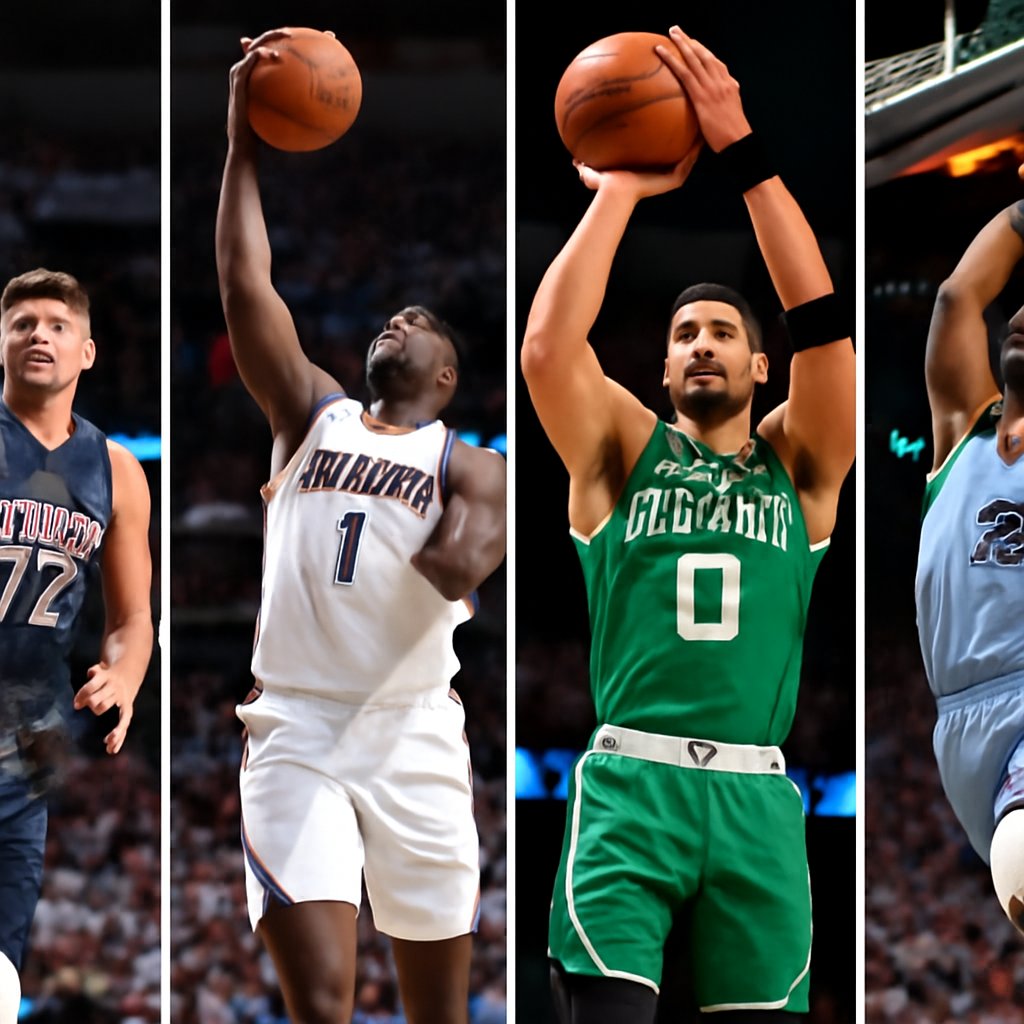
Identifying the best NBA draft picks in recent history means getting down in the paint with these players’ games, breaking down the advanced numbers, and seeing how one selection can flip a whole franchise’s destiny. I laced up for four years playing college ball, so I know what this feels like when a late-round guy turns into the heartbeat of a contender—the kind of transformation that echoes through Black American neighborhoods where basketball has always been more than a sport, it’s a way out and a way up.
The 2012 class still stands tall. Anthony Davis went first overall to New Orleans and immediately showed why, anchoring defenses with elite block rates while putting up 28.1 points and 10.8 rebounds in his peak years. His 26.3 career player efficiency rating proves one pick can lift a lottery team into Western Conference contention. Damian Lillard, taken sixth by Portland, brought that clutch scoring edge, piling up over 20,000 points and multiple All-NBA nods that changed how we see point guard play. Then there’s Draymond Green at 35th, a straight steal whose multi-position defense and high assist-to-turnover work powered Golden State’s dynasty. The advanced metrics back up what any player who’s been in the gym knows—versatility like that wins rings. That draft class stacked more than 15 All-Star appearances and turned rebuilds into sustained success.
What made the 2012 draft particularly special was how it balanced star power with depth. Beyond the three names mentioned, the class included Kyrie Irving, who revolutionized ball-handling at the point guard position, and Harrison Barnes, a role player who helped construct championship rosters. Teams that drafted in 2012 weren’t just getting individual talents—they were building the foundation for years of competitiveness. The lesson here is that scouting excellence across multiple rounds compounds into organizational success. When a front office nails the first three rounds, they’re not scrambling for quick fixes; they’re constructing blueprints.
Giannis Antetokounmpo in 2013 was the ultimate mid-round gem, picked 15th by Milwaukee. What started as a raw project became two MVPs, a title, and career averages of 22.9 points, 9.8 rebounds with elite defensive impact that sealed the Bucks’ 2021 run. Those 40-point playoff outbursts remind folks from the courts where I grew up that athleticism plus relentless growth can rewrite the script. Victor Oladipo and Rudy Gobert added All-Defensive muscle, with Gobert’s rim protection leading the league in blocks and pushing Utah deep into the postseason. Thorough scouting turned these choices into cornerstones.
The 2013 class demonstrates the value of international scouting and player development. Milwaukee’s faith in Giannis’ potential, despite limited college experience, paid dividends once the organization committed resources to skill development. His rise from 6.3 points per game as a rookie to 30.1 points per game at his peak showcases how patience and coaching can unlock generational talent. This contrasts with the pressure many young players face to produce immediately. The Bucks understood they had a 7-footer with guard skills—a rare commodity—and gave him time to grow into his frame and learn NBA-level basketball.
Moving to 2018-2019, Luka Doncic at third overall delivered historic rookie triple-doubles and has carried Dallas to multiple playoffs with playmaking and scoring efficiency that often tops 30 in the postseason. His metrics place him among the league’s top offensive engines and shifted how teams view European prospects. Ja Morant, second in 2019, brought that explosive athleticism to Memphis, taking Rookie of the Year and sparking playoff runs with dynamic bursts. Deandre Ayton and Jaren Jackson Jr. anchored the frontcourt, Jackson’s shot-blocking fueling elite defensive ratings. These classes sped up rebuilds and directly shaped conference standings.
The impact of the 2018-2019 classes extends beyond individual achievement. Luka’s success opened doors for other European players, changing how franchises evaluate international talent. Teams now invest more heavily in scouting European leagues, understanding that polished international players can accelerate championship timelines. Ja Morant’s explosiveness sparked a Memphis revival that nobody predicted, showing how athleticism paired with point guard responsibilities can energize an entire fanbase. The Grizzlies went from lottery team to playoff contender in three seasons largely due to smart drafting and player development.
Understanding draft value requires looking beyond points and rebounds. A player taken in the second round who becomes a reliable starter provides $30-50 million in value compared to free agency costs. Draymond Green’s 35th overall selection represents the gold standard—a player who became a four-time champion and multiple All-Defensive selection. Teams that construct deep benches through smart drafting have financial flexibility to pursue max free agents or trade for stars. This is how small-market teams like Memphis and Milwaukee compete with big-spending franchises.
The numbers tell the full story: Anthony Davis has over 1,200 career blocks with multiple 55% shooting seasons. Giannis averaged 30.2 points and 12.8 rebounds in the 2021 Finals. Luka leads the 2018 group at 27.7 points per game with multiple 60-point games. Draymond’s 35th-overall pick delivered four championships and Defensive Player of the Year. Together, top picks from 2012-2019 account for 22 All-NBA selections and eight titles, showing how smart drafting fuels contention. These profiles set the standard for what’s next.
One often overlooked aspect of draft success is timing. The 2012 class benefited from teams recognizing market inefficiencies. Anthony Davis fell to first overall partly because some scouts questioned his back strength; he proved them wrong. Draymond Green was overlooked because he played in the MAC conference; spacing and versatility were undervalued then. These draft picks succeeded because organizations had the conviction to trust their evaluation over consensus. That’s what separates championship organizations from lottery teams—the willingness to act on information others miss.
Player development infrastructure matters equally. A raw prospect has limited value without coaching, strength training, and offensive system investment. The Warriors built Draymond into a facilitator; Milwaukee transformed Giannis into a three-level scorer; Dallas utilized Luka’s court vision in pick-and-roll systems. Front offices that draft well also invest in coaching staff and development, creating synergy between selection and growth. This is why recent draft classes from certain franchises consistently outperform projections.
Sources
- NBA.com Draft News – Official NBA draft coverage and player profiles
- ESPN NBA Draft – Comprehensive draft analysis and rankings
- Basketball-Reference.com Draft Database – Historical draft data and statistics
- NBA.com Stats – Official player statistics and performance metrics
- ESPN NBA Statistics – Career stats and player comparisons