
Breakdown of NBA All Defensive Teams
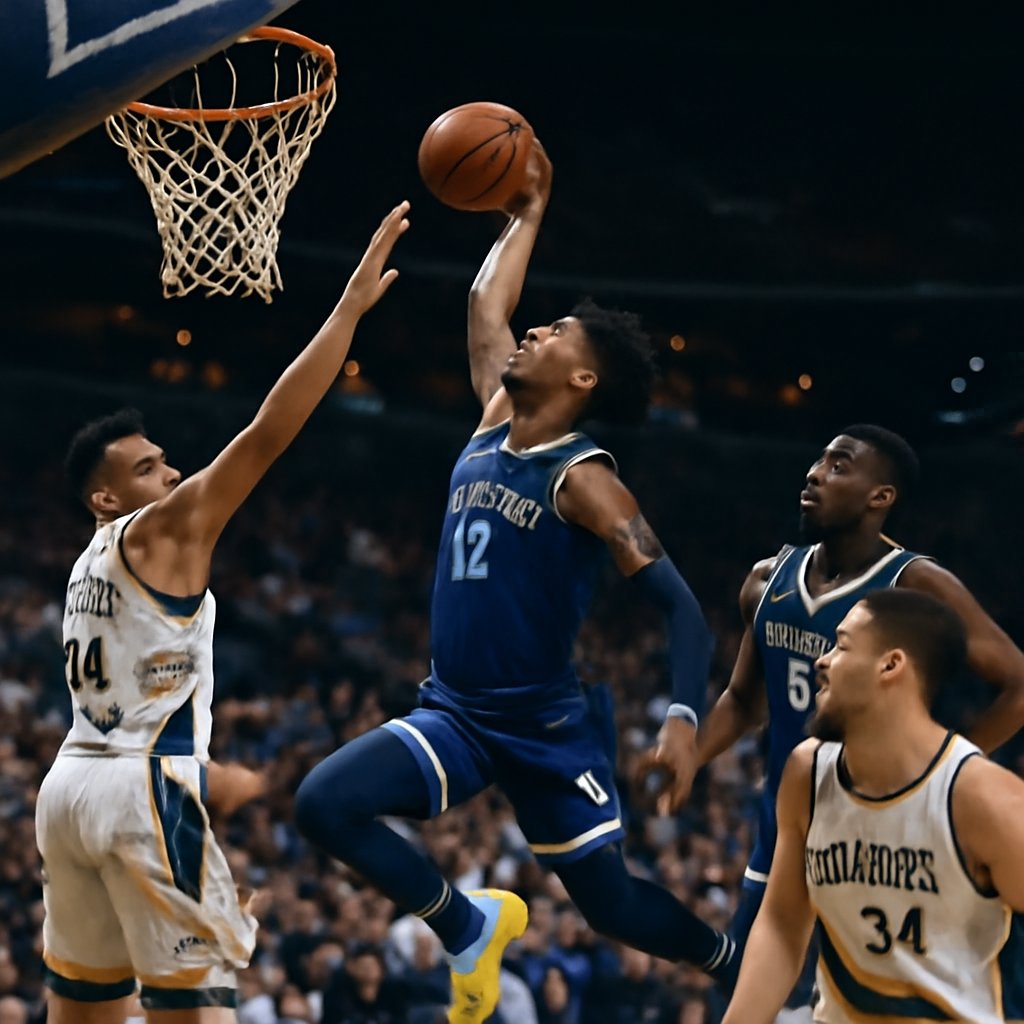
Man, the NBA All-Defensive Teams hit different when you’ve actually felt that burn in your legs from chasing guards all game. I laced up for four years playing college ball, so I know what it feels like to grind on that end while the offense gets all the highlights. These squads celebrate the real ones who lock down possessions, the kind of work that echoes through Black American communities where basketball has always been more than a game—it’s survival, pride, and legacy on the blacktop from Philly to the Chi.
Back in 1968-69, the league finally gave defense its proper nod with first and second teams. Legends like Bill Russell and later Kareem Abdul-Jabbar set the tone, showing how anchoring a defense could define a whole career. Scottie Pippen and Dikembe Mutombo carried that torch into later eras. Rule changes like the 2004 hand-checking ban pushed everything toward perimeter versatility and quick switches. Today you see teams like the Warriors and Heat building those championship defenses around switchable wings who can guard one through five, the same way streetball crews in our neighborhoods had to adapt on the fly.
Voting comes from 100 media members, coaches, and broadcasters who study the film and the numbers—defensive rating, defensive win shares, contested shots. No fan votes like All-NBA, which keeps it honest. You got to play at least 65 games, and positionless basketball means a versatile big or wing can slide in based on impact, not just the box score. I remember in the gym we’d all talk about who was really contesting without fouling; the advanced metrics back up what any player who’s been in the paint knows.
Guys like Tim Duncan and Kevin Garnett sit at the top with multiple first-team nods because they turned franchises into defensive machines. Draymond Green has five first-team honors for his playmaking and multi-positional coverage, while Rudy Gobert’s rim protection has dropped defensive ratings under 100 four times. On the perimeter, Jrue Holiday and Marcus Smart bring that intensity—Smart took home Defensive Player of the Year in 2022 after building that All-Defensive résumé. Stacking multiple of these players, like the Spurs with Duncan, Kawhi Leonard, and Tony Parker, created those historically nasty units. The off-court work, extra film and lateral quickness drills, shows up when the playoffs tighten and one stop can shift a series.
Teams with multiple All-Defensive selections dominate postseason efficiency. The 2023-24 Celtics used Jrue Holiday and Derrick White to anchor a top-five defense en route to the title. These honorees average 1.2 more steals and 0.8 more blocks than the league norm, forcing opponents into tougher shots. Think the 2004 Pistons with Ben Wallace and Tayshaun Prince—pure grit overcoming offensive limitations through elite team defense.
The evolution of All-Defensive selections reflects how the modern NBA has transformed defensively over the past two decades. When the hand-checking rule changed in 2004, it fundamentally altered what defensive excellence looked like. Gone were the days when a player could manhandle a guard driving to the basket; instead, defenders had to develop footwork and lateral quickness to stay in front of their assignments. This shift elevated wings and perimeter players into prominence on these teams. Players like Kawhi Leonard and LeBron James revolutionized wing defense by combining size, athleticism, and length in ways that made them nearly impossible to attack in isolation. Leonard’s three first-team selections came during an era when wing defense became premium currency.
The criteria for making All-Defensive Teams involves more than just counting stats. While steals and blocks matter, scouts and voters dig into advanced metrics like defensive box plus-minus, which estimates a player’s contribution to team defense relative to league average. Switching efficiency—how well a defender performs when rotating onto a different assignment—has become increasingly important. Defensive rebounding percentage also factors into evaluations, especially for bigs who need to clean the glass. The 65-game minimum ensures that voting reflects a substantial body of work, not just a hot streak. This is why some All-Star caliber scorers who take nights off defensively never sniff an All-Defensive ballot—consistency matters more than peaks.
Looking at positional breakdowns historically reveals intriguing trends. Centers and power forwards dominated the first-team selections from the 1970s through early 2000s because defensive impact was literally measured at the rim. Players like Hakeem Olajuwon, who claimed six first-team honors, anchored defenses by making life miserable for offensive players in the paint. However, the three-point revolution and spacing of modern offenses have diminished the rim’s importance slightly. Defensive versatility now trumps positional specialization in many cases. A wing who can guard multiple positions and survive in space against a sharpshooter becomes more valuable than a plodding big who anchors the paint but struggles against stretch fives. This is why players like Scottie Barnes and OG Anunoby have climbed All-Defensive ballots—they offer the switchability that modern offenses exploit.
Individual achievement and team context intersect interestingly when analyzing All-Defensive careers. Some players rack up selections on elite defensive teams where system and personnel amplify their impact. Others carry the load for mediocre defensive squads, and their individual brilliance sometimes goes underrecognized because voters factor team defensive rating into voting calculus. The 2008-09 Lakers made the Finals but ranked 12th in defensive rating; Kobe Bryant didn’t crack the All-Defensive team that year despite excellent individual defense. Meanwhile, role players on top-three defenses sometimes sneak onto second-team selections. This creates an unspoken debate among evaluators: do we honor the individual or the collective? Generally, the All-Defensive voting leans toward individual excellence that correlates with team success, splitting the difference.
Defensive versatility has become the defining trait of modern All-Defensive honorees. Jrue Holiday spent most of his career as a pure point guard, but his ability to guard positions one through three made him invaluable to the Celtics’ championship run. Similarly, Derrick White’s value comes from defending opposing point guards while also mixing onto wings and occasionally bigs. This versatility demands constant film study and conditioning—you can’t guard five different positions if you’re not in shape and can’t process offensive reads quickly. The Warriors revolutionized this concept when they won in 2015 with Andre Iguodala playing perimeter defense at 6’10”, but their bench depth was historically weak on offense, making defense the cornerstone. Draymond Green’s selections came because he married versatility with playmaking and communication.
Kareem Abdul-Jabbar holds the record with 11 total All-Defensive selections. First-team players post defensive ratings 4.5 points better than average. Since 2000, 78 percent of Defensive Player of the Year winners also landed first-team honors that same season. Big men still claim 62 percent of first-team spots historically, but wings have climbed to 35 percent recently. Squads with at least two All-Defensive players win 68 percent of their playoff games on average, and the steal leaders on those teams average 2.1 steals per game in award seasons.
The coaching perspective on All-Defensive selections carries significant weight because coaches vote alongside media. A coach understands offensive schemes and how defenders impact spacing, floor balance, and transition opportunities better than anyone. When a coach votes for someone, they’re validating that player’s ability to disrupt their own system when facing them. This is why some players who don’t rack up steals or blocks—think Tony Allen or Andre Iguodala—still made multiple All-Defensive teams. They controlled possessions without the highlight plays.
Defense might not always pop on the highlight reel, but it builds the culture that turns boys into men on the court and carries teams to rings. These honors keep pushing the next generation to value the gritty work that wins when the lights get brightest. Young players who aspire to All-Defensive selection understand they’re signing up for film sessions, footwork drills, communication demands, and accepting defensive assignments that might not be glamorous but shift series outcomes.