
Facts About NBA Three Point Record Chases
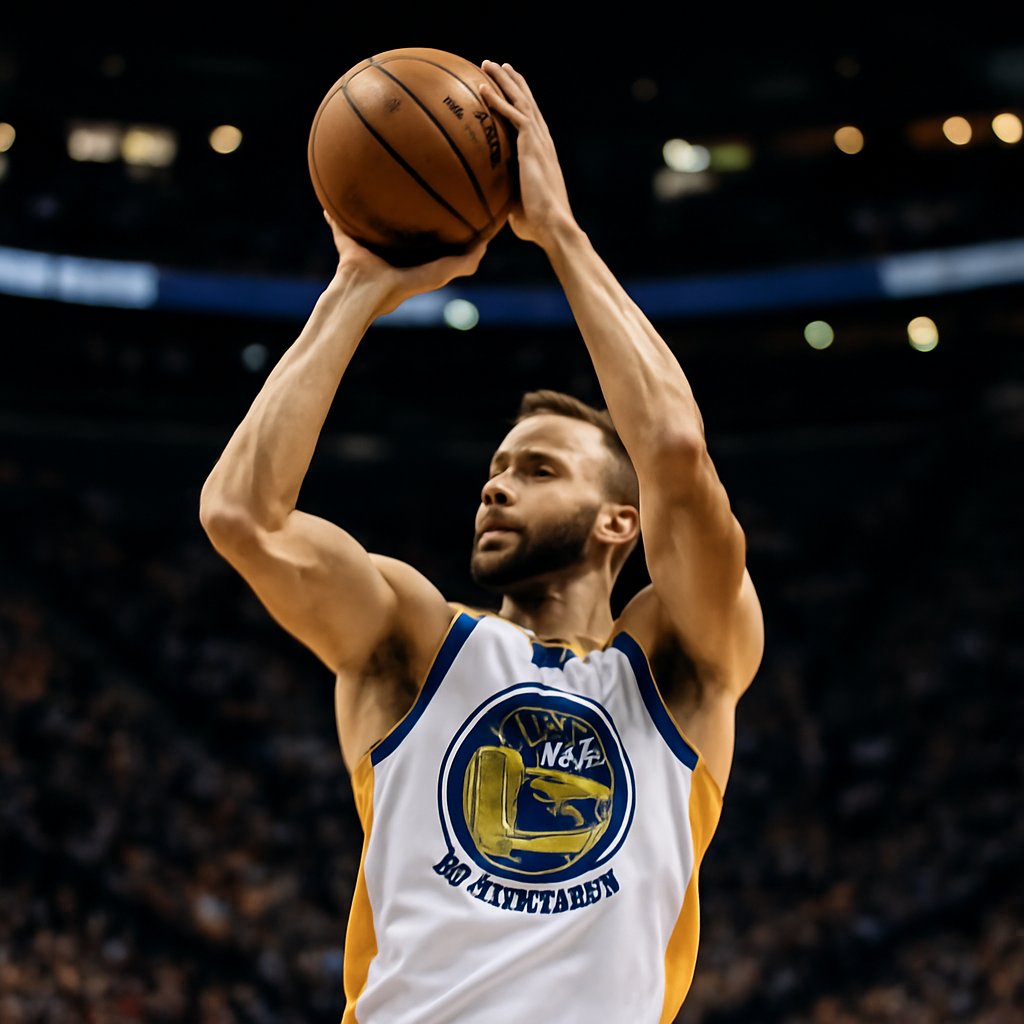
The NBA’s three-point record chases have always pulled at something deeper than numbers on a screen. From the moment the line dropped in for the 1979-80 season, folks treated it like a sideshow until players started proving it could reshape how the whole game breathes. Early leaders like Fred Brown and Brian Taylor laid groundwork that Reggie Miller and Dale Ellis later built on with volume and ice in their veins. What gets lost in the highlights is how the defensive three-second rule and smarter spacing turned every possession into a chess match, tripling league-wide attempts from those early-2000s levels to over 35 per game now. The game has always been bigger than stats; it is how kids in every neighborhood see possibility when someone stretches the floor from the corner.
Ray Allen carried the career mark for nearly a decade until Stephen Curry passed 2,973 in December 2021 and kept climbing past 3,800 by the 2024 season. Reggie Miller sits third at 2,560, his playoff dagger reputation still echoing in gyms from Indiana to everywhere the league plays. Curry’s single-season high of 402 in 2015-16 reset what volume looks like, while Klay Thompson’s perfect 11-for-11 playoff night and the shared 14-three single-game mark with Curry remind us that one night can rewrite history. Damian Lillard keeps stacking volume on smaller-market teams, and younger voices like Trae Young and Donovan Mitchell are already forcing their way into these talks. International flavor from Luka Doncic brings Euroleague habits that blend with homegrown creativity.
The evolution of three-point shooting reveals something profound about how NBA teams have fundamentally transformed their offensive philosophy. Before the 2010s, taking more than 25 three-pointers in a game was considered reckless and undisciplined. Now teams routinely exceed that number, with elite spacing units launching 40 or more per contest. This shift wasn’t accidental—it came from analytics departments realizing that a three-pointer at around 35 percent efficiency generates more expected points than a two-pointer at 50 percent efficiency. The math was irrefutable, and players like Curry didn’t just accept the three-point revolution; they weaponized it, forcing defenders to chase them 30 feet from the basket and collapsing entire defensive schemes in the process.
Understanding the mechanics behind modern three-point excellence reveals why certain players rise above the noise. Curry’s release point sits higher than traditional shooters, giving defenders less time to contest and allowing him to shoot over length that would bother other players. His footwork incorporates constant movement—off-ball cuts, hand-off actions, and relocations—meaning defenders can never truly rest. Klay Thompson operates from a different blueprint, relying on catch-and-shoot consistency and off-screen looks that maximize rhythm. These aren’t just talented shooters; they’re engineers who’ve optimized every variable from release timing to floor spacing. Young players now study these mechanics obsessively, breaking down film and working with shooting coaches to understand how slight adjustments in shoulder angle or follow-through can shift make-miss percentages by several points over a season.
Active pursuits now mix career totals with efficiency and postseason marks. Curry owns multiple single-postseason records and sits above 600 made threes in playoff play. The Warriors chase franchise benchmarks as a unit, while pace-adjusted numbers show today’s faster game simply creates more chances. Kyle Korver’s 53.6 percent on at least 100 makes stands as the efficiency gold standard, and teams like the Rockets once launched over 50 threes a night under Mike D’Antoni. Three-pointers now make up roughly 40 percent of all field-goal attempts league-wide. The WNBA has felt the same shift, with its own sharpshooters expanding what spacing means for women who grew up watching the same arc light up on playgrounds.
The playoff dimension of three-point chasing adds another layer of intrigue that regular season marks can’t fully capture. Reggie Miller’s reputation was built on hitting crucial threes when defenses tightened and possessions mattered more. In the postseason, where rotations shrink and adjustments happen faster, a player’s ability to create their own three-point looks becomes exponentially more valuable. Curry’s 402 threes across a single postseason run (2019) stands as proof that volume and efficiency can coexist under maximum pressure. Meanwhile, Dame Lillard’s clutch three-point makes in playoff moments—including the shot heard around the world against Oklahoma City—remind us that these records exist within narratives of resilience and pressure performance that statistics alone can’t measure.
The rise of international players in three-point chasing represents a significant demographic shift in the league. Luka Doncic arrived from the Euroleague with a completely different training background, yet his three-point volume and range grew naturally as he aged. Nikola Jokic, though known more for playmaking, developed reliable three-point range that opened up offensive possibilities for Denver. This international influx means coaching philosophies from around the world are colliding with NBA approaches, creating hybrid styles that weren’t previously possible. Young European and international prospects now grow up believing the three-pointer is a fundamental skill rather than a specialty, fundamentally altering the talent pipeline entering the league.
Rookies and sophomores posting veteran-level volumes tell us these chases will only get louder. Players like Paolo Banchero and Jalen Green entered the league already comfortable launching threes regularly, something unthinkable for bigs even five years ago. Modern NBA scouts evaluate every prospect’s three-point range regardless of position, knowing that floor spacing has become positional agnostic. A 7-footer who can’t shoot threes faces real limitations in today’s game, while a 5-10 guard who can create separation from deep becomes exponentially more valuable. This positional democratization has compressed talent evaluation timelines, with players proving three-point readiness much earlier in their development.
International players claiming more All-Star three-point contest wins lately shows the talent pool keeps widening. The skills challenge and three-point contests have become global stages where emerging talent proves they belong among the elite. These showcase events provide minutes on national television for younger players to establish their reputation, creating pathways to stardom that didn’t exist when such contests were afterthoughts. The competitive level of these contests has risen dramatically, with competitors studying their opponents’ release patterns and adjusting their own approaches to maximum efficiency.
The single-season record, the franchise pushes, the playoff heroics—they all sit inside a larger story about how basketball still anchors communities, giving young people language, discipline, and joy long after the final buzzer. When a kid watches Curry splash a 30-footer from the logo, they see themselves not just playing basketball, but playing it differently than previous generations. Three-point records aren’t merely statistical milestones; they’re cultural touchstones that reshape how the game is understood at every level, from NBA arenas to neighborhood courts where the next generation of shooters is already taking aim.
Sources
- NBA.com Official Statistics – Official NBA player and team statistics including three-point records
- ESPN NBA Statistics – Comprehensive NBA stats and records database
- Basketball Reference – NBA Statistics – Historical NBA data and three-point shooting records
- NBA.com News – Official NBA news coverage and record updates