
Giannis Antetokounmpo Path to MVP Awards
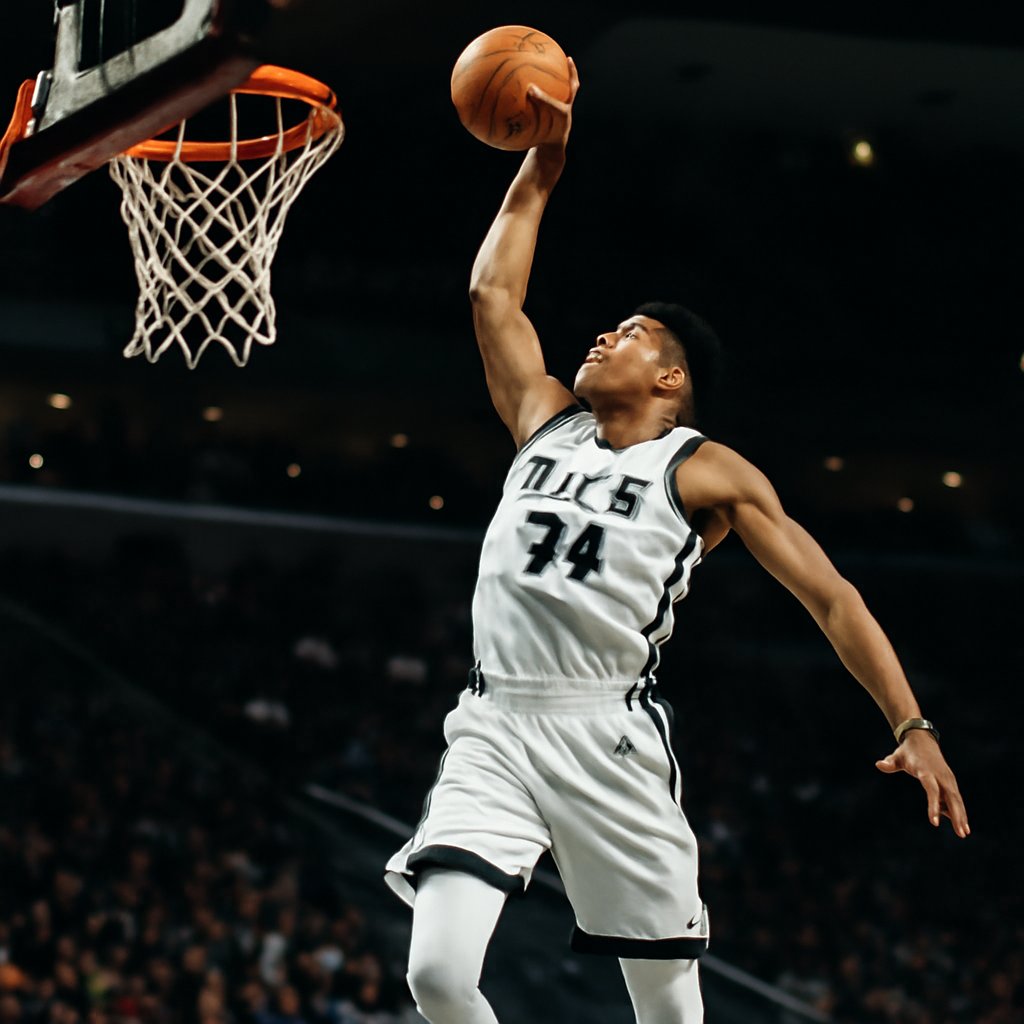
Giannis Antetokounmpo’s rise from a late first-round pick to a two-time MVP carries the kind of weight that reminds us the game has always been bigger than stats. Born in Greece to Nigerian immigrant parents, he arrived in Milwaukee as the 15th overall selection in the 2013 draft, a raw, long-limbed prospect whose early averages of 6.8 points and 4.4 rebounds barely hinted at what was coming. What gets lost in the highlights is how the Bucks’ patient development plan let him grow through mistakes, turning that high-risk project into a perimeter-to-rim force who could guard every position and create for teammates.
By his second and third seasons, the work ethic that became his signature started showing up in improved ball-handling and decision-making. Hours in the gym sharpened a jump shot that once looked like a work in progress, while his defensive versatility anchored Milwaukee’s identity. The supporting cast around him improved, and Giannis shouldered more responsibility, guiding deeper playoff runs that prepared him for the brightest lights. Stories like his echo what we see across the WNBA, where players from overlooked backgrounds—think the grind of international stars carving out space—prove that development pipelines matter when communities invest in their own.
The 2018-19 season brought the first MVP after he averaged 27.7 points, 12.5 rebounds, and 5.9 assists while shooting over 57 percent from the field. Milwaukee finished 60-22, the league’s best record, and voters rewarded the two-way dominance that ranked him among the top defensive anchors. Those signature triple-doubles and game-winning plays showcased a clutch presence still maturing, yet already undeniable. His playmaking created mismatches that powered a motion offense, and the award validated the franchise’s long-view approach while cementing him as its face. That season, Giannis also led the league in player efficiency rating (PER) at 32.8, a figure that placed him among the most impactful individual seasons in modern NBA history.
Back-to-back recognition followed in the shortened 2019-20 campaign, where he posted 29.5 points, 13.6 rebounds, and 5.6 assists with refined three-point shooting and mid-range creation. Defensive metrics stayed elite, and Milwaukee again posted one of the league’s top records. He became the first foreign-born player to win consecutive MVPs in the modern era, joining an exclusive group while keeping his usage rate above 32 percent and turnover numbers remarkably low. What stands out beyond the plus-10 net rating with him on the floor is the leadership that lifted teammates through Eastern Conference battles. His ability to operate in multiple offensive sets—from pick-and-rolls to isolation situations to transition basketball—made him nearly impossible to game-plan against.
Giannis averaged at least 27 points, 12 rebounds, and 5 assists across both MVP seasons while shooting above 55 percent, ranking in the top five in defensive win shares and earning over 90 percent of first-place votes in 2019. His path illustrates the power of relentless improvement paired with team-first basketball, transforming the Bucks into perennial contenders. It’s the kind of story that inspires young athletes worldwide, especially in communities where basketball serves as both escape and expression of pride. As the league continues to evolve, Giannis remains a benchmark for comprehensive excellence—one that resonates just as deeply when we watch similar journeys unfold in the WNBA.
The foundation of Giannis’s two MVP awards rested on his exceptional versatility on the defensive end. During his MVP campaigns, he drew assignments against opposing centers, power forwards, and even some small forwards depending on matchups. This defensive flexibility allowed Milwaukee to switch on nearly every screen, creating pressure that led to turnovers and difficult offensive possessions for opponents. His length—standing 6’11” with a wingspan exceeding 7’3″—enabled him to contest shots and disrupt passing lanes in ways that fundamentally altered opponent offensive efficiency. Analysts noted that Milwaukee’s defensive rating improved by several points per 100 possessions when Giannis was on the court, a testament to his impact beyond what traditional statistics reveal.
The trajectory of Giannis’s development also demonstrates the importance of coaching continuity and strategic roster construction. Head coach Mike Budenholzer’s arrival in Milwaukee proved pivotal, installing an offensive system that maximized Giannis’s strengths while hiding his weaknesses. The Bucks simplified their offensive approach around Giannis’s driving ability, spacing the floor with capable shooters like Khris Middleton and Brook Lopez. This configuration created constant pindowns and openings that allowed Giannis to operate with more rhythm and less reliance on isolation basketball. The 2018-19 and 2019-20 rosters featured complementary pieces rather than ball-dominant scorers, allowing Giannis to function as the primary facilitator while maintaining his scoring prowess.
Looking at the statistical landscape across those championship-caliber seasons reveals how Giannis’s game evolved beyond his first few years. His three-point percentage climbed from the low 20s during his earlier seasons to the mid-to-upper 30s by his MVP years, a significant improvement that forced defenses to extend their perimeter coverage. His mid-range game similarly developed, giving Milwaukee additional scoring avenues when defenses packed the paint. Playmaking represented another area of marked improvement—his assist numbers climbed steadily, peaking at 5.9 and 5.6 assists per game in his two MVP seasons. These weren’t empty assists either; they represented genuine floor spacing and decision-making in complex offensive situations.
The psychological component of Giannis’s MVP seasons cannot be overlooked. His clutch performances in high-leverage moments—playoff games, nationally televised contests, and tight regular-season matchups—demonstrated mental fortitude that separates elite players from the merely great. Coaches and teammates consistently praised his competitive intensity and willingness to take on defensive assignments against opposing stars, even when it meant physical exhaustion. His demeanor in the locker room reportedly influenced younger Bucks players to adopt similar work habits, creating a culture of accountability that manifested in team success.
The significance of Giannis winning back-to-back MVPs extended beyond individual accolades. He joined an historically elite company of MVP repeats, aligning himself with legends like Wilt Chamberlain, Bill Russell, Kareem Abdul-Jabbar, and LeBron James. Each of these players represented their era’s best all-around performer, and Giannis’s inclusion in this conversation reflected how completely he dominated during those seasons. His two consecutive awards came in an era featuring exceptional competition—fellow MVP candidates included James Harden, Luka Doncic, LeBron James himself, and Joel Embiid, all of whom were having career-defining seasons.