
Iowa Women’s Basketball: Program History, Stats, and-25 Season Overview
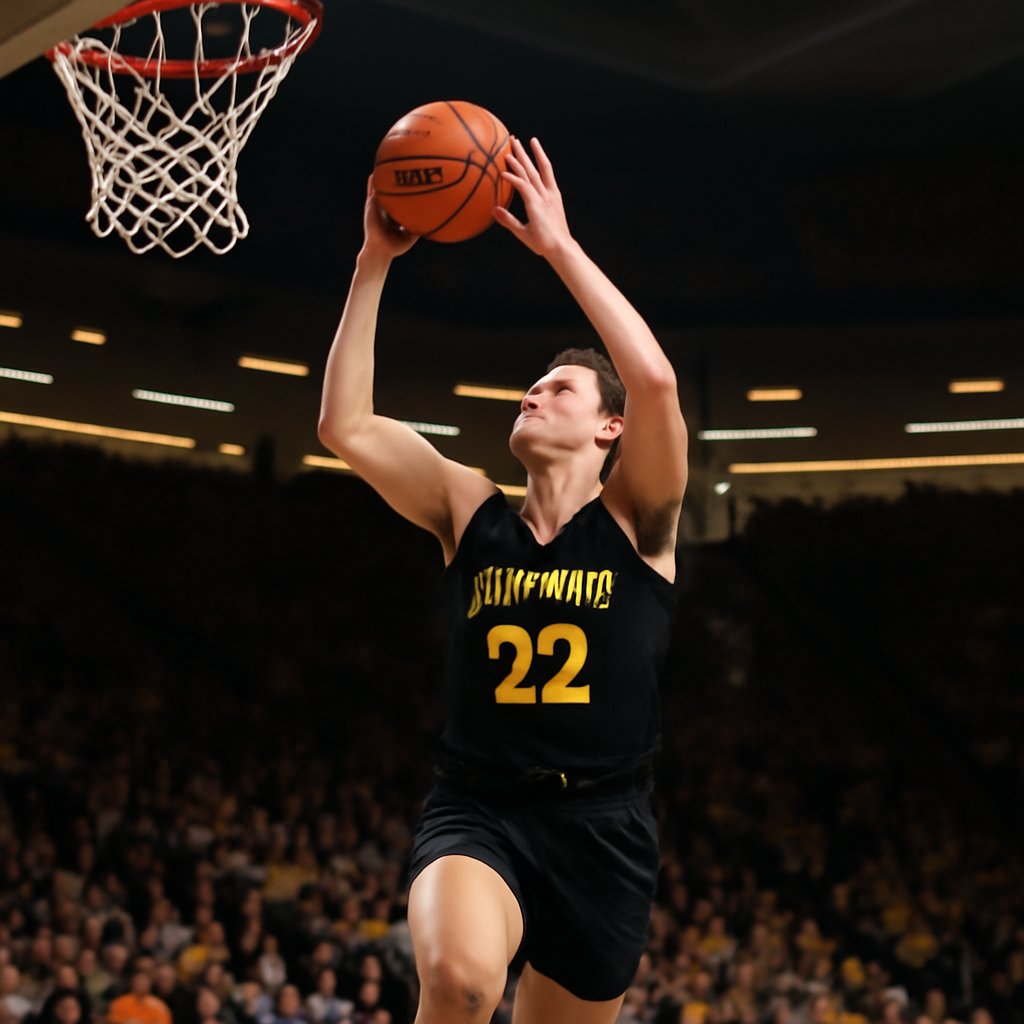
Iowa women’s basketball has carved out a special place in the hearts of fans who know the game runs deeper than any box score. Under the bright lights of Carver-Hawkeye Arena, the Hawkeyes have turned high-octane offense and sharp player development into a signature that echoes across the Big Ten and beyond. The game has always been bigger than stats, and nowhere is that clearer than in how this program lifts an entire community while preparing young women for the next chapter—whether that’s March Madness or the WNBA.
At the center of it all stands head coach Lisa Bluder, who took the reins in 2000 and built Iowa into a consistent contender. Her teams play with pace, spacing, and a willingness to let the ball fly from deep, a style that has carried the Hawkeyes to multiple Elite Eight and Final Four appearances. What gets lost in the highlights is the quiet, daily work of developing guards who arrive raw and leave ready for professional basketball, including the WNBA stage where so many former Hawkeyes now shine. Bluder’s tenure has produced one of the most impressive track records in women’s college basketball, with over 600 wins and a reputation for developing talent that translates immediately to the professional level.
The foundation of Iowa’s success rests on a philosophy that values ball movement and perimeter shooting. Since the early 2000s, the program has built rosters around the concept that skilled guards running a spread offense can compete with anyone in the country. This offensive approach requires high basketball intelligence, unselfishness, and the ability to shoot from distance—qualities that Bluder and her staff have consistently recruited and developed. The result has been a program that plays an entertaining brand of basketball while maintaining competitive excellence year after year.
No chapter in recent Iowa history feels more electric than the Caitlin Clark era. The generational guard didn’t just fill up the stat sheet—she changed the temperature of every arena she entered. Clark’s combination of deep range, vision, and fearless scoring drew new eyes to women’s college basketball and reminded folks that the sport has always carried the same cultural weight as the men’s game. Her presence helped pack Carver-Hawkeye, boosted national TV numbers, and showed young girls across the country that their dreams belonged on the biggest stages. During her three seasons as a Hawkeye (2020-2023), Clark set multiple program records and became the all-time leading scorer in NCAA Division I women’s basketball history, cementing her legacy as one of the greatest players to ever wear the black and gold.
Clark’s impact extended far beyond the box score. Her performances in high-pressure moments, particularly in tournament games, demonstrated a clutch gene that inspired teammates and captivated neutral fans. The way she could orchestrate Iowa’s offense while also being a primary scoring threat forced opposing coaches to make difficult defensive adjustments. Her presence fundamentally changed how opponents approached playing Iowa, and her departure after the 2023 season marked the end of an era while simultaneously establishing a new standard for what elite women’s college basketball could look like.
The current roster blends returning veterans who understand Big Ten battle with newcomers eager to add length and defensive bite. Iowa continues to attract talent by promising both immediate opportunity and long-term growth, the kind of environment where perimeter shooters and versatile forwards can stretch defenses while learning the nuances that translate to the WNBA. Conference play against the likes of Ohio State, Maryland, and Indiana remains a proving ground that forges toughness and chemistry. The transition away from the Clark era has required the team to develop new leaders, and the staff has worked to identify players whose games complement the program’s core identity while bringing fresh energy to the roster.
Defensively, Iowa has made concerted efforts in recent seasons to improve on-ball pressure and transition defense while maintaining the aggressive, free-flowing offensive style the program is known for. Finding that balance—aggressive offense without leaving the defense exposed—remains an ongoing challenge in the Big Ten, where every opponent can shoot from distance and run efficient half-court sets. The addition of players with size and athleticism helps address these concerns while still fitting the program’s commitment to playing fast and getting into three-point shootouts.
Success in the NCAA tournament has become a Hawkeye tradition. Efficient three-point shooting and ball movement under pressure have defined Iowa’s deepest runs, turning tournament time into a showcase for the program’s identity. Those March moments do more than earn seeding—they inspire the next wave of recruits and strengthen the bond between the team and fans who see their own hopes reflected on the court. Iowa has made the Elite Eight in four of the last six tournament appearances, with two Final Four trips in that span. This consistent tournament success gives the program credibility in recruiting and creates an expectation that tournament participation and deep runs are normal rather than exceptional.
Carver-Hawkeye Arena has grown into a true home-court fortress, where the roar of the crowd carries the pride of a state that has fallen in love with women’s basketball. Attendance records keep falling because the product on the floor feels alive and connected to something larger than wins and losses. That kind of energy travels with Iowa wherever the Hawkeyes go. The arena, which opened in 1983, has undergone renovations and improvements that have enhanced the fan experience while maintaining the historic character of the venue. With a capacity of over 15,000, it consistently ranks among the best-attended venues in women’s college basketball.
The pipeline of Hawkeyes moving into professional basketball continues to thrive. Recent players have heard their names called in WNBA drafts, earned spots on summer league rosters, and signed professional contracts overseas. This tangible pathway from Iowa City to professional opportunities serves as a powerful recruiting tool and validates the program’s development model. Families can point to concrete examples of players who came to Iowa, improved their games, and moved on to the next level with NBA scouts and WNBA executives taking notice.
Heading into 2024-25, the focus stays on maintaining offensive identity while adding depth and defensive grit. The staff continues to recruit players who fit the system and who understand that development means more than points—it means leaving Iowa ready for whatever comes next, including professional opportunities in the WNBA. Key returning pieces provide leadership and continuity, while new faces bring enthusiasm and fresh perspectives. The challenge will be balancing the need to reload after losing significant talent with the expectation of competing for Big Ten championships and NCAA tournament berths.
The Big Ten conference continues to be one of the most competitive leagues in women’s college basketball, with multiple ranked teams and programs with national championship aspirations. Iowa’s schedule will test the Hawkeyes against top-tier competition throughout the season, providing opportunities to gauge progress and make tournament adjustments. Success in conference play typically determines seeding and momentum heading into March.
Looking ahead, Iowa women’s basketball stands poised to keep growing alongside the sport itself. The blend of excitement, player empowerment, and community connection ensures the Hawkeyes will remain a destination for talent and a source of pride for fans who know basketball has always been about more than the final score. With a strong coaching staff, institutional support, and a clear identity on both ends of the court, the foundation is set for sustained success and continued relevance in the evolving landscape of women’s college athletics.