
Kobe Bryant Scoring Titles and Lasting Legacy
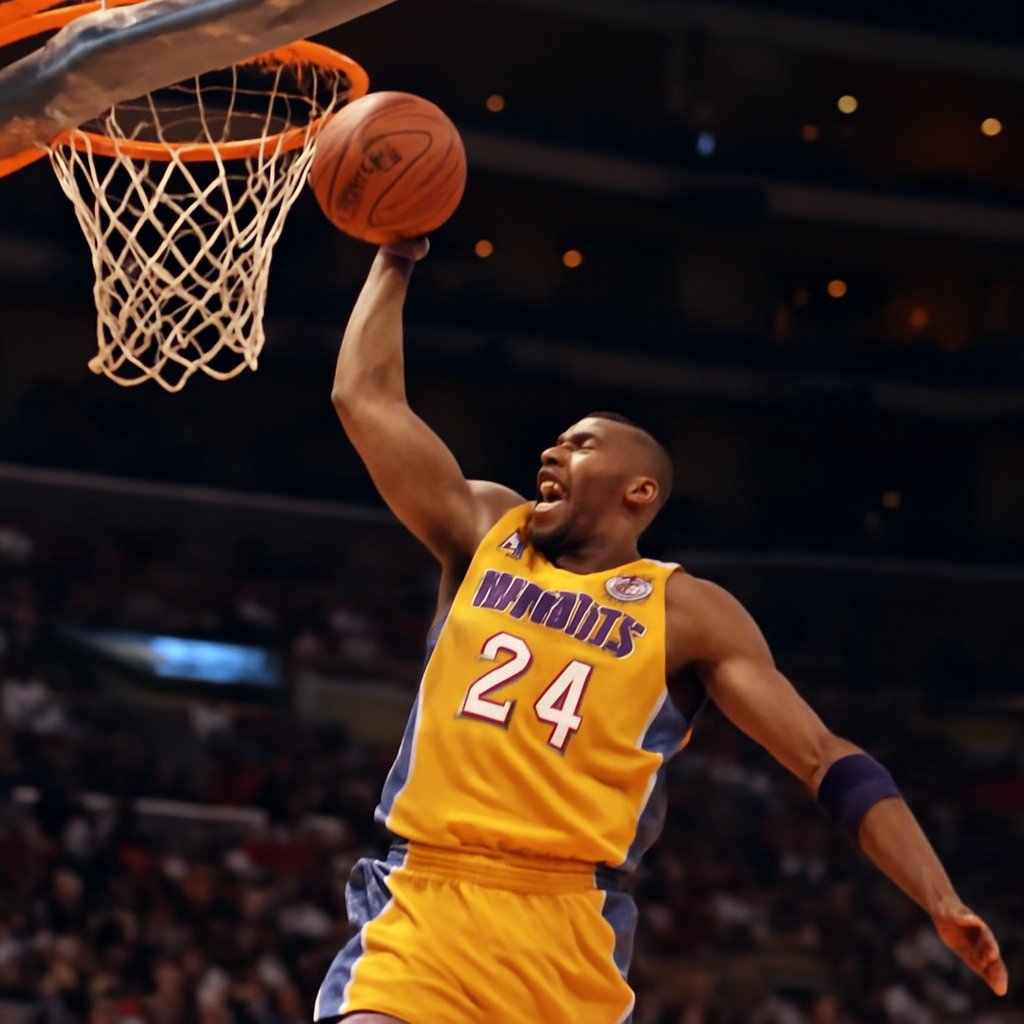
Kobe Bryant’s two scoring titles stand out as one of the most physically punishing stretches any perimeter player ever put on the league. Coming straight out of high school in ’96, he grinded his way into an elite offensive weapon by the mid-2000s, refining footwork and mid-range creation that let him punish double teams night after night. In 2005-06 he dropped 35.4 points per game for his first crown, then backed it up with 31.6 the next season even though defenses were loading up and the league still allowed plenty of physical contact. I laced up for four years playing college ball, so I know what this feels like when every possession turns into a wrestling match and you still have to manufacture your own shot.
During that 2005-06 run he was chucking up 27.2 field goals a night at 45.4 percent from the floor while knocking down 81.3 percent of his free throws. He also dropped multiple 50-point games, including that legendary 81 against Toronto. The following season the efficiency stayed elite despite constant double teams. The advanced metrics back up what any player who’s been in the gym knows—his true shooting percentage and points per possession showed he was manufacturing offense at a rate very few wings have matched. That stretch helped carry the Lakers deep into the playoffs and kept the franchise on the national radar during some lean years.
What made Kobe’s scoring titles particularly impressive was the context in which he won them. The 2005-06 season came just after the NBA had cracked down on hand-checking and defensive three-second violations, which seemed like it would favor offensive players. Yet defenses quickly adapted, and by the time he won his second scoring title in 2006-07, teams had developed sophisticated schemes specifically designed to stop him. Opponents weren’t just playing tight defense—they were sending multiple defenders at him in ways that would have drawn offensive fouls in some eras. The fact that he maintained an elite scoring average while averaging nearly 27 shots per night demonstrates his offensive versatility and willingness to take difficult looks when the team needed buckets.
Kobe’s scoring explosions didn’t just fill up the stat sheet; they pulled global eyes toward the Lakers and set a tone that resonated deep in Black American communities where the game has always been more than a sport—it’s a proving ground. His rivalry with guys like Tracy McGrady and LeBron James added fuel to the national conversation. He also spent real time mentoring younger teammates and modeling the kind of preparation that trickled through the whole league. Two scoring titles plus five championships across three different eras stamped him as a winner who could dominate on both ends.
The mechanics of Kobe’s scoring game deserve deeper examination because they shaped how an entire generation of players approached offense. His footwork was textbook—the kind of craftsmanship that coaches still break down on film. He had a devastating mid-range game that’s largely been phased out of modern basketball, but during his scoring title years, that mid-range was his bread and butter. He could take a defender off the dribble, rise up from 18 feet with perfect form, and bury contested jumpers with the kind of consistency that made him nearly impossible to guard one-on-one. When defenses sent a second defender, Kobe had the vision and understanding to find open teammates, making him even more lethal in pick-and-roll situations.
Beyond pure scoring prowess, Kobe’s free throw shooting during this era was something special. His 81.3 percent mark from the line during the 2005-06 season reflected years of meticulous practice. Kobe was famous for his work ethic—arriving at the gym before dawn and staying well after practice ended to refine every aspect of his craft. He treated free throws like a sacred part of the game, understanding that late-game situations often came down to making shots from the charity stripe. This mentality trickled down through the league, influencing how younger players approached the fundamentals.
The 81-point game against Toronto on January 22, 2006, remains the most iconic scoring performance in NBA history and represents the peak of Kobe’s offensive dominance. In that game, he showcased every element of his scoring arsenal—three-pointers, mid-range jumpers, drives to the basket, and free throws. What’s often overlooked is how that game reflected his entire skill set. It wasn’t just volume scoring; it was a masterclass in using every dimension of the floor to find ways to put the ball in the basket. The fact that no player has come close to matching that output in the modern era speaks to how difficult it is to sustain that level of offensive pressure for 48 minutes.
The impact of Kobe’s scoring titles extended beyond individual accolades. The 2005-06 and 2006-07 Lakers teams made deep playoff runs, with Kobe’s scoring prowess serving as the engine that drove their offense. In the 2006 playoffs, he averaged 30.0 points per game, helping lead the Lakers to the Western Conference Finals despite ultimately falling short. These postseason performances cemented his reputation as a closer who could elevate his game when stakes were highest—a quality that separates good scorers from great ones.
A few numbers that tell the full story: franchise-record 81 points on January 22, 2006; 33,643 career points, good for fourth on the all-time list when he retired; 18 All-Star selections and two All-Star MVPs; 2008 MVP after averaging 28.3; eleven seasons at 27-plus points per game; 25 games with 50 or more points, third-most ever; Hall of Fame class of 2020; and that Mamba Mentality still echoing in gyms from Compton to Chicago. His scoring consistency over two decades set a standard that current players still measure themselves against.
Kobe’s legacy transcends his two scoring titles, though those awards represent crucial chapters in his story. He won five championships with the Lakers—two as a young sidekick to Shaquille O’Neal and three during the later stages of his career when he was the undisputed leader. This combination of individual accolades and team success established him as one of the most complete players in basketball history. Players studying his game today find lessons in his preparation, his footwork, his mental toughness, and his ability to perform under pressure.
Future players will keep studying the footwork and the competitive fire because Kobe turned relentless drive into a cultural language that still shapes how we talk about greatness in this game. His influence extends beyond basketball into business, storytelling, and mentorship. The Mamba Mentality—his philosophy of unwavering focus and continuous improvement—has become a framework that athletes in other sports have adopted. High school and college players reference his work ethic as inspiration, coaches show clips of his footwork in practice, and analysts still compare young scorers to Kobe as the gold standard. His two scoring titles represent just a snapshot of a career that revolutionized what it means to be a complete offensive player in the NBA.