
Most Dominant NBA Post Players Analyzed
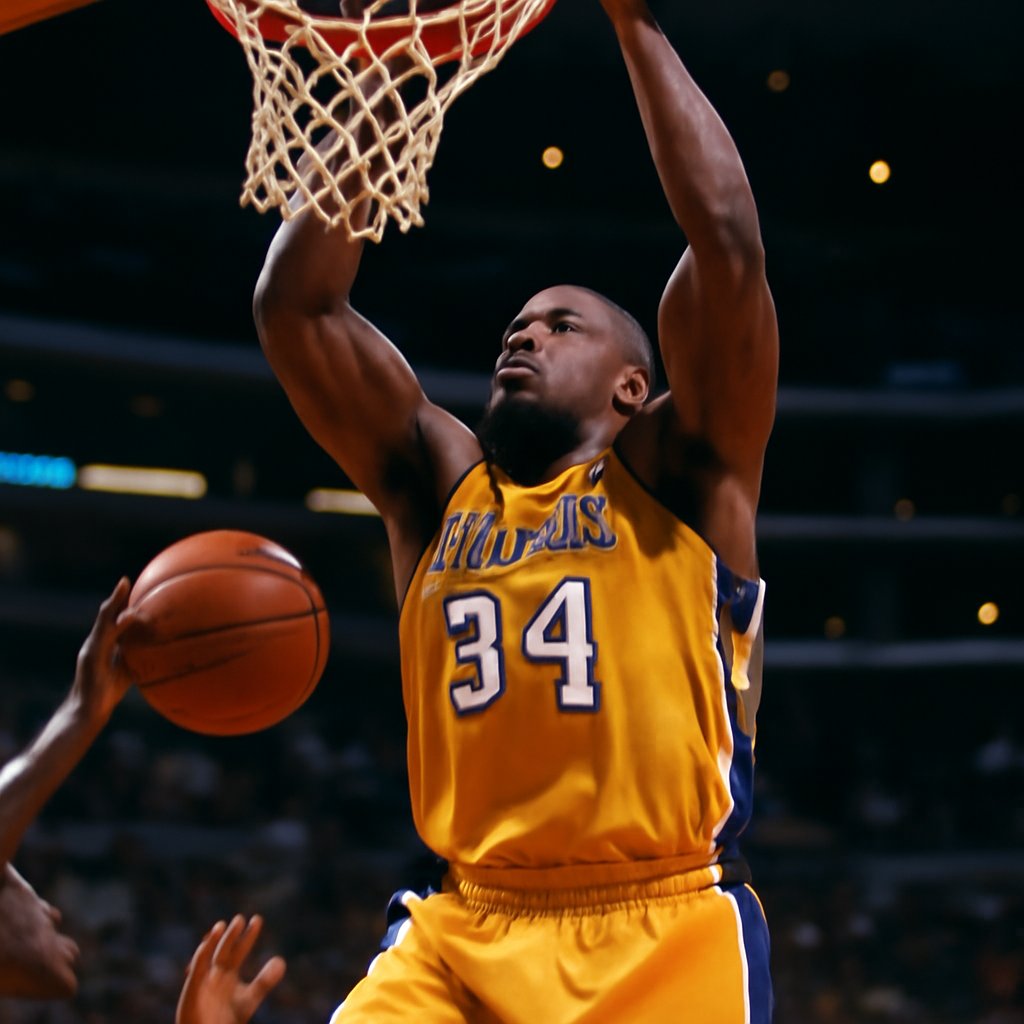
Interior dominance has always been the soul of basketball, the kind of work that echoes from Blacktop courts in every neighborhood to the biggest stages in the league. For decades, post players have controlled games not just with muscle and footwork, but by anchoring teams and communities alike—something the WNBA has shown time and again through standouts like Brittney Griner, whose rim-rattling presence reminds us the paint belongs to those who protect it with pride.
The game has always been bigger than stats, and you see that in how the position evolved. Early bigs like George Mikan and Wilt Chamberlain set the tone with hook shots and rebounding that changed what it meant to own the middle. Kareem Abdul-Jabbar carried that forward with his skyhook, pouring in over 38,000 points while winning six MVPs and building championship legacies that stretched across three decades. Hakeem Olajuwon brought the Dream Shake in the nineties, blending quickness and power to average 20-plus points and 10 rebounds while leading the Rockets to back-to-back titles. Then came Shaquille O’Neal, whose sheer force inside the restricted area produced a 58.2 percent career field goal mark—the highest ever for anyone with 15,000-plus points.
What gets lost in the highlights is the way these players mentored the next wave and lifted their cities. Today’s post stars mix that same foundation with spacing and vision. Joel Embiid has sharpened his footwork and mid-range game to post career highs in scoring while still swatting shots and grabbing boards at an elite level. Anthony Davis uses his length to run the floor, seal defenders, and average over 2.0 blocks in multiple seasons while shooting 50 percent. Nikola Jokic has flipped the script from the high post, turning passes into assists at a rate that tops active bigs—over 30 percent conversion from post touches. Rudy Gobert has earned multiple Defensive Player of the Year honors by altering shots and sparking fast breaks off defensive rebounds. Understanding what is a NBA fast break and how the outlet pass sets it up shows exactly how those rebounds convert into points. These athletes prove post play still decides outcomes, even as the league stretches the floor.
Advanced numbers tell the same story when you look past the flash. Tim Duncan shot better than 50 percent for his career by mastering bank shots and drop steps, anchoring five championship teams with steady double-doubles. Embiid has cleared 1.0 points per post-up possession in multiple seasons, well above league average. Elite rebounders grab 25 percent or more of available boards, cutting opponent second chances dramatically. Olajuwon once led the league in blocks three straight years while still dropping 20-plus points nightly. Teams with this kind of interior control simply go deeper in the playoffs.
The transition of post play over the decades reveals how adaptability separates the truly great from the merely good. Marc Gasol revolutionized what a big man could do from the perimeter, stretching defenses while maintaining elite pick-and-roll offense and defense. His ability to pass out of the high post—often recording 3-4 assists per game—forced opponents to guard him 30 feet from the basket, opening driving lanes for guards. DeMarcus Cousins brought similar versatility mixed with overwhelming athleticism, leading the league in free throw attempts multiple seasons while still averaging double-digit rebounds. These players understood that modern dominance meant controlling space, not just controlling bodies.
The evolution extends to how today’s centers read defenses and attack mismatches. Karl-Anthony Towns, one of the best shooting big men ever, forces defenders into impossible positions—do you guard him tight on the three-point line and leave the paint vulnerable, or sag back and watch him drain threes at 40-plus percent? Jokic takes this concept further, orchestrating entire offenses from the high post with an intelligence that ranks him among the league’s best playmakers regardless of position. His ability to find cutters, spot shooters, and attack weak-side defenders creates a geometric nightmare for opposing coaches. When a 7-footer averages 9-10 assists per game while posting 2,400-plus points in a season, it fundamentally changes how you evaluate post dominance.
Defense at the position has similarly evolved beyond traditional shot-blocking. Gobert’s value extends far beyond his 2.0-plus blocks per game—his positioning and length force offensive players into difficult angles, making them shoot lower-percentage attempts even when shots don’t get blocked. Defense rating metrics consistently place him among the league’s best, proving that elite interior defense multiplies the effectiveness of perimeter defenders. Jonathan Isaac and Derrick Jones Jr., while not traditional post players in the old sense, demonstrate how switching and lateral mobility have become essential for protecting the rim in the modern era. The best defensive bigs now must be mobile enough to defend on the perimeter in pick-and-roll situations while still anchoring the paint.
Championship DNA often traces back to post excellence. The San Antonio Spurs’ five titles depended largely on Duncan’s steadiness and two-way excellence. The Miami Heat’s championships featured the versatility of Chris Bosh and Hassan Whiteside, players who could defend multiple positions and space the floor. The Warriors’ dynasty benefited enormously from Andrew Bogut’s rim protection and screening, even as Draymond Green revolutionized small-ball by playing center at times. More recently, Denver’s 2023 championship run showcased Jokic’s unprecedented skill set—a 7-foot-1 center who led the league in assists while posting 2,500-plus points and grabbing 850+ rebounds. That combination is virtually impossible to defend.
Individual post moves remain fundamental to understanding dominance. The drop step, perfected by Duncan and Olajuwon, creates separation from defenders in a single explosive motion. The baby hook, used effectively by players like Marc Gasol and even guards like Tony Parker, finds soft spots in the defense at short range where defenders struggle to contest. The sealing move—using body position to pin a defender on your back before receiving the pass—generates high-percentage looks that opponents often can’t defend. Post footwork clinics, once standard training for every big man, have made a comeback as teams realize that footwork creates efficient scoring opportunities that don’t require three-point range.
Modern conditioning and sports science have extended the primes of post players. Older generations often saw bigs decline sharply after age 32, accumulating lower-body injuries from years of pounding in the paint. Today’s players benefit from better nutrition, targeted strength training, and injury prevention protocols. Embiid, despite serious injury history, remains among the league’s elite scorers and defenders in his late twenties. Davis continues dominating at the highest levels well into his thirties. These extended primes mean that elite post players now accumulate more career value than in previous eras.
The mental aspect of post dominance deserves equal emphasis to physical tools. Hakeem’s footwork was legendary, but his basketball IQ—knowing when to attack, when to pass, reading defensive rotations—made him unstoppable. Jokic processes information with remarkable speed for a 7-footer, understanding spacing and angles that create advantages for teammates. Duncan’s clutch gene became legendary partly because he didn’t panic under pressure; he simply executed fundamental footwork and decision-making when stakes were highest. Post mastery requires not just strength and skill but basketball intelligence that separates Hall of Famers from All-Stars.
From Abdul-Jabbar and Olajuwon to Embiid and Jokic, the post remains where efficiency, defense, and leadership meet. The same holds true in the WNBA, where that tradition continues to shape how young players see themselves as community pillars. Basketball has always been more than a game—it’s the thread that ties generations together, and these bigs keep weaving it strong.