
Most Steals Recorded by NBA Guards
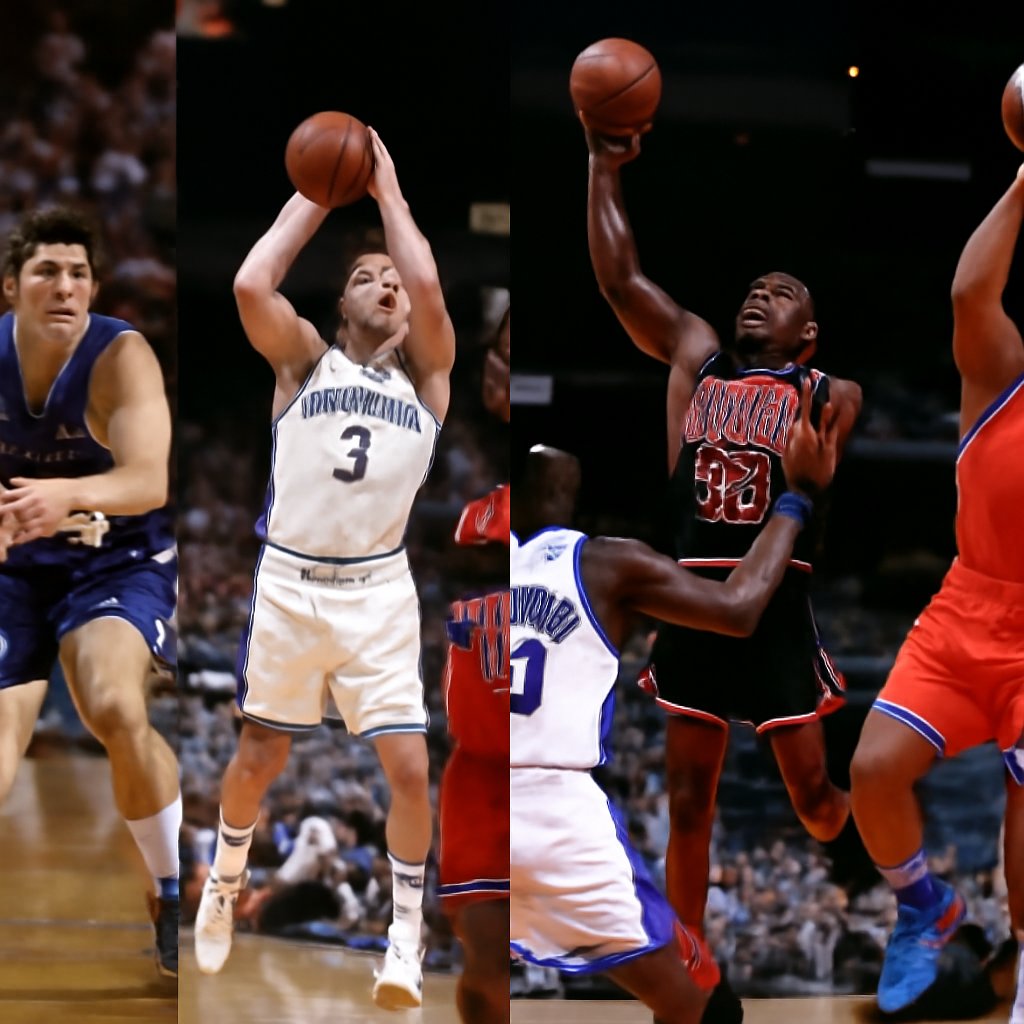
When we talk about the guards who’ve racked up the most steals in NBA history, we’re really celebrating the ones who turned anticipation into an art form. These are the players whose quick hands and instincts didn’t just fill box scores—they shifted entire games and gave their communities something to cheer about on summer nights at the rec center. The game has always been bigger than stats, and nowhere is that clearer than with the perimeter defenders who made turnovers feel like community property.
John Stockton sits at the top with 3,265 career steals across 19 seasons, mostly with the Utah Jazz. His gift for jumping passing lanes turned routine possessions into fast breaks that kept opponents guessing. Right behind him is Jason Kidd with 2,684 steals, built on that same blend of vision and timing during his stops with the Nets and Mavericks. Chris Paul follows with more than 2,600, carrying the same defensive edge he honed in New Orleans and Los Angeles while still dropping dimes. What gets lost in the highlights is how these numbers often came from kids who learned to read the floor on cracked asphalt courts where defense was survival.
Michael Jordan’s 2,514 steals with the Bulls showed what athleticism and fire could do when paired with that legendary competitive streak—he posted seasons near 2.5 steals per game. Gary Payton, “The Glove,” finished with 2,445 while anchoring the Sonics, proving on-ball tenacity could define a whole franchise identity. These guards didn’t just chase individual glory; they lifted teammates and turned defense into a collective heartbeat that echoed through neighborhoods that needed the win as much as the players did.
The distinction between career steals totals and per-game averages reveals important truths about different eras of play. While Stockton’s raw total dominates the all-time list, it accumulated over nearly two decades of regular play. His 2.2 steals per game represents consistent excellence rather than spectacular peaks. By contrast, Alvin Robertson’s 3.67 steals per game in 1985-86 showcased an aggressive defensive style suited to that era’s looser officiating standards. The evolution of the game means that guards today face tighter defensive restrictions, making per-game averages a more nuanced metric when comparing across generations.
Single-season marks tell their own story of intensity. Alvin Robertson set the guard record with 301 steals in 1985-86 for the Spurs, averaging 3.67 per game in an era that rewarded relentless pressure. Stockton posted multiple seasons over 250, while Chris Paul reached 217 in 2008-09. Mookie Blaylock and Eddie Jones also cracked the 200-steal mark in their peaks, showing how different decades produced specialists who thrived on disruption. These seasonal peaks often coincided with career-best performances in other defensive categories, demonstrating that elite steal production rarely exists in isolation—it’s typically part of a broader defensive skill set.
Beyond the traditional top tier, several guards deserve recognition for sustained excellence in steals production. Maurice Cheeks accumulated 2,310 career steals while providing steady playmaking for championship-contending teams. Scottie Pippen, though versatile across positions, recorded 2,307 steals and combined his theft ability with all-around defensive dominance. Allen Iverson amassed 1,983 steals while serving as his team’s primary ball handler and scorer, a particularly impressive feat given the offensive burden he carried. These players demonstrate that elite steal production can coexist with diverse playing styles and roles.
The defensive rating metric has revolutionized how we understand steals within broader context. A guard can average high steals while simultaneously allowing easy buckets if they overcommit to the steal attempt. The most sophisticated guard defenders—think Tony Allen during his Memphis years, or recent standouts like OG Anunoby—balance steal frequency with fundamental positional defense. This reality means that the highest steal totals don’t automatically indicate the greatest defenders, though elite defensive players often do rank highly in steals regardless.
In the playoffs the impact grows heavier. Stockton cleared 300 postseason steals alongside Karl Malone, with many coming during crucial stretches when turnovers directly altered series outcomes. Jordan’s steals helped seal six titles for Chicago, with his Finals performances setting the standard for clutch defensive execution. Chris Paul delivered momentum-shifting plays that carried teams deep, even before his later championship window with Phoenix. Team success often traces back to guard defense—think the Pistons’ title squads leaning on Chauncey Billups or the Warriors dynasty pairing Draymond Green’s versatility with perimeter threats. The 2004 Pistons in particular built their championship identity on ferocious perimeter pressure, with multiple guards contributing high steal numbers within an organized team framework.
The Eastern Conference has historically produced many elite guard defenders, from Bad Boy Pistons traditions through the Celtics’ Big Three era featuring Rajon Rondo’s ball-hawking instincts. West Coast teams like the Jazz and Spurs built defensive identities around guard-led steal production, showing how franchise culture influences individual statistics. Modern championships still require elite guard defense—the 2019 Raptors won with Kyle Lowry and Danny Green anchoring perimeter play, while the recent Celtics championship squad featured elite defenders across the guard positions.
Modern guards like Jrue Holiday and Marcus Smart keep climbing, maintaining 1.5-plus steals per game in title-contending rotations while advanced metrics like defensive rating highlight their value. Holiday’s impact expanded during his championship run with the Bucks, proving that experienced perimeter defenders remain crucial to playoff success. Younger guards like De’Aaron Fox and Tyrese Maxey are beginning to establish themselves as dual-threat perimeter defenders, combining scoring ability with lock-down defensive potential. Their ascent suggests the modern game is returning to valuing complete guard play, where steals emerge from sophisticated help-side positioning rather than risky aggressive gambling.
The steals statistic itself has interesting origins in NBA record-keeping. The league didn’t formally track steals until the 1973-74 season, which is why earlier Hall of Famers like Oscar Robertson don’t appear in steals rankings despite being exceptional defenders. This statistical gap reminds us that some legendary defenders played in eras where their contributions weren’t quantified the same way. It also means contemporary discussions about “all-time great defenders” must account for this historical blind spot.
Defensive schemes have shifted considerably over NBA history. The hand-checking rules eliminated in 2004 fundamentally changed how guards could pressure ball handlers, which impacted steal production moving forward. Zone defense liberalization also altered positioning and steal opportunities. These rule changes explain why per-game steal averages have generally trended downward in recent decades—defenders face structural constraints that earlier generations didn’t experience.
And just as the WNBA has shown with players like Maya Moore or today’s defensive standouts, that same cultural thread runs through the women’s game, where community pride and smart defense have always traveled together. Players like Kahleah Copper and Brittney Griner demonstrate that elite perimeter defense and steal production transcend the NBA, establishing a broader basketball culture where defensive excellence earns respect equally with scoring prowess.
John Stockton still leads all guards at 3,265 career steals and a 2.2 per-game average over 1,504 games. Alvin Robertson owns the single-season mark at 301. Chris Paul remains the active point-guard leader above 2,600. Michael Jordan sits fourth among guards at 2,514 with unmatched Finals impact. Jason Kidd’s 2,684 include multiple seasons above 2.5 per game. Gary Payton earned Defensive Player of the Year honors tied to his 2,445 total. Stockton’s playoff total topped 300, and rising stars continue to prove steals remain a language every generation learns to speak.