
Most Valuable NBA Bench Players Ranked
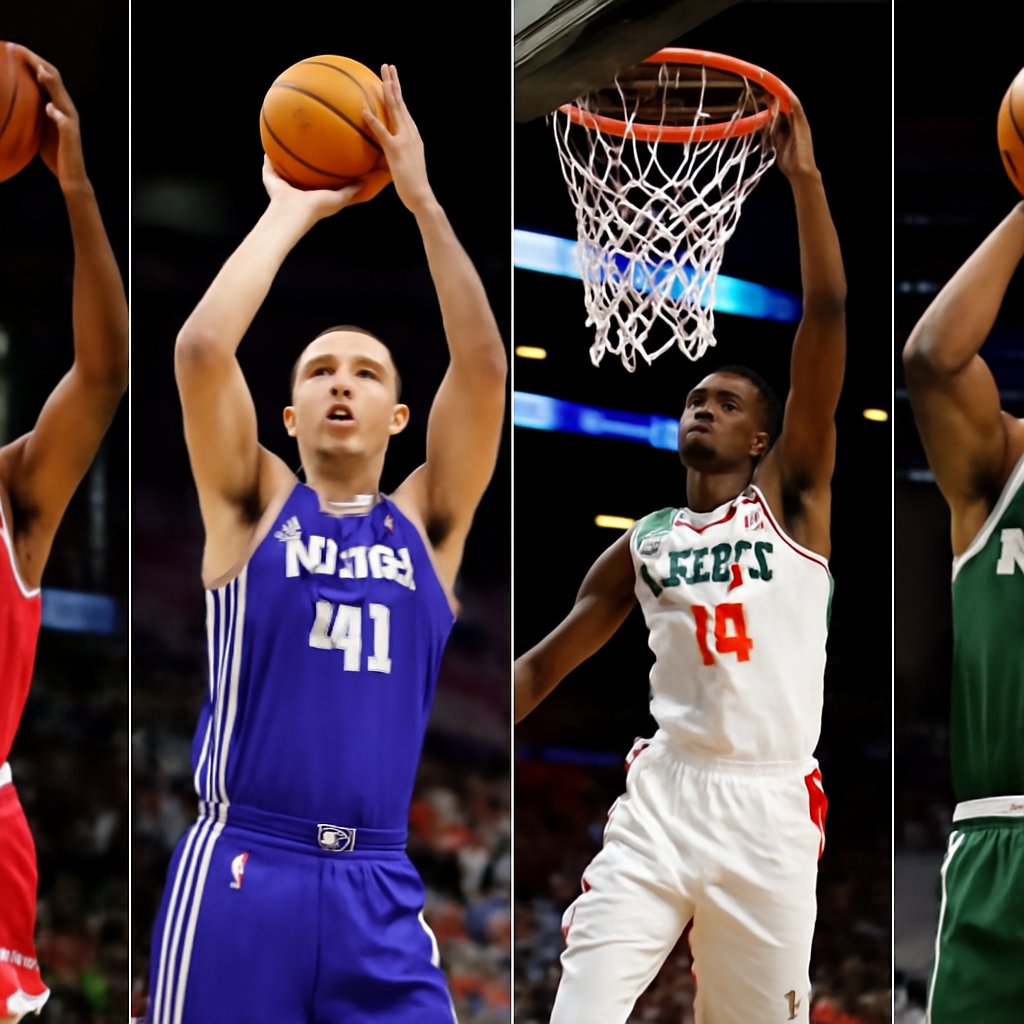
Bench players in the NBA have long been the quiet architects of championship dreams, the ones who step off the sideline and inject life into a squad when the starters need rest or the moment calls for fresh legs. Their value stretches far beyond the box score, shaping how teams endure an 82-game grind and the pressure of deep playoff runs. The game has always been bigger than stats, and these reserves carry the cultural weight of communities where basketball serves as both escape and elevation.
Depth off the bench separates contenders from the rest because relying on just five players rarely holds up when injuries or foul trouble hit. What gets lost in the highlights is how these contributors keep the energy flowing, delivering scoring, defense, and momentum shifts that help entire rosters stay competitive. Similar lessons play out across the WNBA, where bench production has powered title teams and shown how versatile reserves can change series.
From the Boston Celtics’ famed sixth man era to today’s positionless rotations, the role has grown. Modern bench standouts often specialize in spacing the floor or protecting the rim, giving coaches freedom to run small-ball or switch-heavy lineups without losing punch. This evolution mirrors the resilience we see in Black basketball culture, where players learn early that every minute matters and every role builds something larger than individual glory.
Advanced numbers like plus-minus and win shares highlight how top reserves punch above their minutes. Players averaging 20-25 minutes can still drop 15-plus points with strong defensive impact, lifting overall team success. Offensive efficiency remains key—elite reserves often shoot better than 38 percent from deep while creating their own looks, easing the load on primary creators. On defense, versatile wings and guards who switch across positions add another layer, keeping transition attacks alive when starters sit.
Current standouts like Immanuel Quickley and Payton Pritchard show how efficient scoring and floor spacing turn second units into real threats. In the East, instant-offense reserves help clubs like the Knicks and Celtics hold leads by hitting timely threes and contesting perimeter shots. Western benches lean into athleticism and length, with forwards who rebound, block, and push the break to create mismatches.
The evolution of bench roles has accelerated with the rise of three-point shooting across the league. Teams now prioritize reserves who can space the floor without needing the ball in their hands constantly. This allows primary ball handlers to operate with more freedom while bench scorers punish defenses for overplaying stars. The best bench units feature a mix of scoring threats, defensive specialists, and glue guys who understand positioning and spacing. Role clarity matters tremendously—when players know whether they’re the scorer, defender, or facilitator in a given rotation, production becomes predictable and reliable.
Coaching adjustments often hinge on bench performance, especially in playoff series. When a team’s second unit outscores the opponent’s reserves, it typically signals a competitive advantage that compounds over four or seven games. Some coaches stagger their best bench players with certain starters to create favorable matchups, while others cluster them together to build rhythm and chemistry. The tactical sophistication of managing rotation minutes has become an art form, with analytics helping teams identify which bench lineups generate the best net rating.
Playoff rotations tighten, so reliability from the bench becomes decisive. These players often log bigger minutes when the lights shine brightest, proving their worth away from regular-season noise. Coaches adjust lineups mid-series to exploit matchups, preserving starter health across multiple rounds. Front offices now hunt for high-upside bench talent early, building cost-effective depth that keeps contention windows open.
The financial reality of NBA rosters means that elite depth on reasonable contracts has become a competitive weapon. Teams that develop bench talent through the draft or find undervalued contributors in free agency gain flexibility in their salary cap management. Mid-level exception signings and two-way contract discoveries can yield significant returns, with some organizations building entire championship cores around bench-friendly budgets. The San Antonio Spurs’ historic run and recent Warriors championships both showcased how smart bench construction amplifies championship windows.
Injury resilience remains one of the most underrated benefits of strong bench depth. When starters go down to injury, teams with quality reserves experience minimal drop-offs in performance. This extends playoff availability and prevents the need for desperate trade deadline acquisitions that disrupt chemistry. Medical staff coordination with strength and conditioning coaches helps keep reserves fresh while managing their limited minutes, ensuring they’re ready when called upon.
Defensive versatility has become increasingly valuable for bench players. The ability to switch across multiple positions, guard in transition, and defend in pick-and-roll situations makes these players invaluable against modern offenses. Bench units that can switch every screen without hunting mismatches give opposing teams headaches and reduce offensive efficiency. These defenders often play with higher intensity and energy because they’re not logging the full game, creating a refreshing dynamic that disrupts offensive rhythm.
The mental aspect of being a solid bench player deserves recognition. These athletes embrace their roles, understand their limitations, and find fulfillment in contributing to collective success. The best reserves develop high basketball IQ, positioning themselves to be available for open shots and defensive assignments without demanding touches. This mentality filters into team culture, creating environments where everyone accepts their role and competes for minutes rather than resenting limited opportunities.
Scouting for bench talent has become more sophisticated, with teams analyzing secondary statistics and advanced metrics to project impact. Win shares per 48 minutes, true shooting percentage, and on-off court differentials help identify reserves who maximize their limited minutes. European leagues and college basketball programs serve as talent pools where scouts identify skilled players who accept bench roles and provide value without inflated egos.
Here are the numbers that back it up:
– Bench players averaging over 12 points per game contribute to a 65 percent win rate for their teams during the regular season.
– Top reserves often post usage rates between 18-22 percent while maintaining true shooting percentages above 58 percent.
– Defensive rating improvements from elite bench units average 4.2 points per 100 possessions in recent seasons.
– Playoff performers from the bench have historically accounted for 28 percent of total team scoring in championship runs.
– Three-point volume from reserves has increased by 15 percent league-wide over the past five years, emphasizing spacing importance.
– Players with positive on-off differentials exceeding +5.0 typically rank among the most valuable NBA bench players ranked annually.
– Injury recovery data shows teams with deep benches lose only 3.1 wins on average when a starter misses 10 games.
– Bench units that maintain defensive efficiency within 2 points per 100 possessions of starting lineups correlate with 71 percent playoff success rates.
– Teams investing in bench depth through draft picks see 40 percent higher retention rates and 33 percent better long-term salary cap flexibility.
In the end, strong bench production reflects the heart of the sport—how collective effort and community-rooted pride turn talented groups into dynasties. Investing in these players keeps the game’s soul intact, from the NBA to the WNBA and every court where the next generation learns that every role carries weight.