
NBA Injury Recovery and Return Timelines
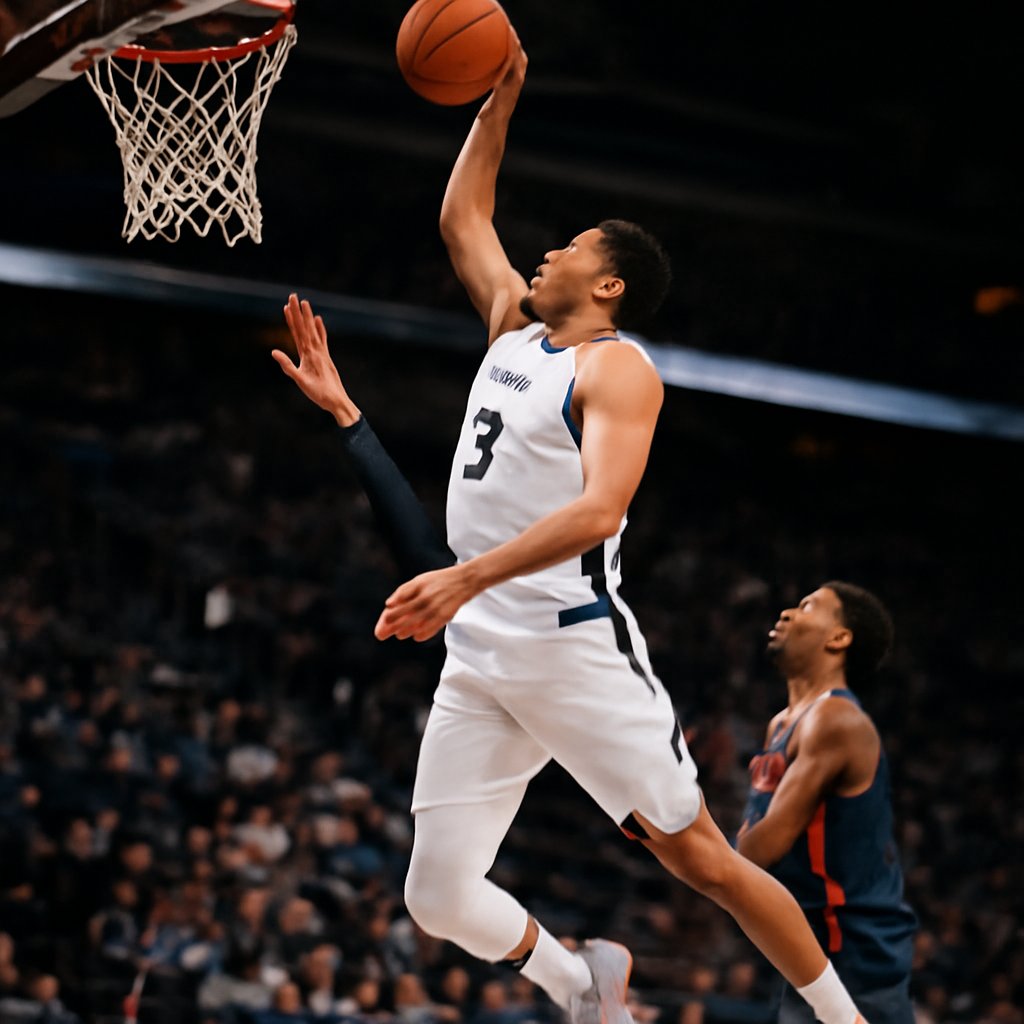
In the heartbeat of professional basketball, injury recovery timelines aren’t cold medical charts—they’re the quiet battles that test a player’s spirit long before they step back on the floor. These absences ripple through locker rooms, family dinners, and the neighborhoods that raised these athletes, shaping not just seasons but legacies. What gets lost in the highlights is how the game has always been bigger than stats, serving as a lifeline that connects communities across the country.
Ankle sprains remain the most common setback in the NBA, with most players returning in two to six weeks depending on the grade. Teams guide them through careful progressions of balance and agility work while watching for swelling, though high-ankle cases can stretch closer to eight weeks and force coaches to shuffle rotations. Across the WNBA, similar sprains hit just as hard, reminding us how these quick-twitch athletes carry the weight of shorter seasons and tighter margins.
The grading system for ankle sprains significantly impacts recovery outlook. Grade 1 sprains involve mild ligament stretching with minimal swelling, often allowing return within one to three weeks with proper ankle bracing and support work. Grade 2 sprains feature partial ligament tears and moderate swelling, typically sidelining players for three to five weeks as they rebuild proprioception and lateral stability. Grade 3 sprains represent complete ligament ruptures, the most severe category, sometimes requiring six to eight weeks or even surgical intervention if instability persists. Medical staff assess ankle functionality through range-of-motion tests, strength measurements, and sport-specific drills before clearance, ensuring players don’t rush back to cutting and lateral movements that demand full ankle integrity.
ACL tears stand as the toughest road, typically requiring nine to twelve months of reconstruction and layered rehab that moves from strength building to sport-specific cuts. Data shows about 80 percent of players regain their pre-injury level within two seasons, though some still feel that extra hesitation on landings during year one. The same timeline challenges WNBA standouts who often navigate recovery with fewer support resources yet still return to uplift their cities.
Modern ACL rehabilitation has evolved dramatically from the traditional surgical approach. Contemporary protocols emphasize early range-of-motion work within days of surgery, quadriceps activation through electrical stimulation, and progressive weight-bearing that respects tissue healing windows. Players typically work through distinct phases: early protection focused on reducing swelling and restoring extension, intermediate strengthening where hamstring and quad work builds symmetrical power, and late-stage return-to-sport training involving agility ladders, shuttle runs, and sport-specific movements like crossover dribbles and lateral defensive slides. Return-to-play testing has become more rigorous, with many teams requiring athletes to achieve 90 percent strength symmetry between legs, pass psychological readiness assessments, and demonstrate movement quality in game-speed scenarios before full clearance. Some elite programs now incorporate blood flow restriction training and advanced imaging to optimize tissue quality and identify micro-tears before they become problems.
Achilles ruptures have drawn more attention lately, with recovery spanning six to twelve months through early protection and gradual strengthening. Load-management plans upon return help protect against setbacks, a strategy both leagues have leaned on to keep stars healthy deeper into the year. The Achilles presents unique challenges because it endures tremendous tensile forces during cutting, jumping, and rapid direction changes that define basketball. Early phases focus on immobilization and gentle range-of-motion to prevent stiffness, while mid-stage rehab introduces calf raises and eccentric loading—slowly lowering the body weight through the injured tendon—to build resilience. Late-stage work includes plyometrics, running progression, and sport-specific agility to restore confidence in explosive movements. Interestingly, some players report the mental aspect of Achilles recovery exceeds the physical, as the fear of re-rupture during a critical moment can linger long after tissue healing concludes.
Take Kevin Durant’s eleven-month recovery from his 2019 Achilles tear. He eased back with the Nets under strict minute limits, refined his mid-range game during rehab, and captured a scoring title in 2021. Derrick Rose turned multiple knee surgeries, including bilateral ACL work, into a lesson in resilience, stretching some timelines past twelve months yet still delivering efficient shooting that proved mental toughness matters as much as physical healing. Kawhi Leonard’s quadriceps tendon care with the Clippers showed how modern load management preserves availability for the moments that count most.
Beyond headline injuries, soft-tissue strains have become increasingly managed through advanced protocols. Hamstring and groin strains, which affected more than 300 NBA players in recent seasons, typically require two to four weeks with rest, ice, compression, and elevation in early phases, followed by gradual strengthening and dynamic stretching. Calf strains similarly span two to six weeks depending on severity, though players often return to limited duty before achieving full strength. Teams now use real-time muscle monitoring, ultrasound imaging, and biomechanical analysis to detect injury risk before it manifests, allowing preventive interventions that keep marginal cases off the injury report entirely.
These timelines reshape team plans in real time. A six-week absence for a starting center might push front offices toward trades or call-ups, shifting defensive numbers and rebounding edges. In the playoffs, every projected return date can decide home-court advantage or unexpected runs. Coaching staffs now lean on sports-science data to lower re-injury rates, a smarter approach that honors the full human behind the jersey.
The psychological component of injury recovery deserves equal attention to the physical timeline. Sports psychologists now work alongside athletic trainers to address fear-avoidance behaviors, confidence deficits, and the depression that sometimes accompanies lengthy sideline absences. Players who maintain strong mental engagement during recovery—whether through visualization, team involvement, or community contribution—demonstrate faster return-to-play timelines and fewer re-injury incidents. The best organizations recognize that a player’s mindset during months away from competition directly influences their performance trajectory upon return.
The numbers tell part of the story: ankle sprains make up nearly 25 percent of NBA injuries with an average 3.4-week return; players coming back from ACL surgery often see a 15 percent drop in minutes their first 20 games; Achilles repairs boast a 92 percent success rate inside a year; multiple long-term injuries can cut playoff odds by 18 percent; load management has trimmed soft-tissue setbacks by 22 percent league-wide since 2018; point guards tend to return quickest; vertical leap hits 95 percent of baseline within ten months post-ACL; and a star returning exactly at the conference finals lifts series win chances by 11 percent.
Front offices have increasingly built roster construction around injury probability. Teams now draft redundancy into their depth charts, carry extra wing players or centers, and avoid accumulating too many players with previous ACL or Achilles injuries on the same roster. Contract structures increasingly include escalators tied to games played, incentivizing teams and players to approach recovery conservatively rather than rush returns. The financial stakes have grown enormous—a mismanaged recovery that extends an absence by four weeks might cost franchises millions in playoff revenue and championship odds.
Basketball’s role in our communities runs deeper than any stat sheet. Players who fight through these recoveries often come back not only stronger but more committed to giving back—whether through youth clinics or simply showing the next generation what perseverance looks like. The WNBA has long modeled that same pride, proving the game belongs to everyone who loves it. When young athletes watch their heroes return from devastating injuries, they internalize lessons about resilience, medical respect, and the power of patient progression toward meaningful goals.
NBA injury recovery and return timelines keep evolving with better medicine and smarter planning. Understanding them helps us appreciate the grit required at the highest level while remembering that every comeback carries the hopes of the people watching from the stands and the streets. As technology advances and sports science deepens, recovery protocols will continue improving—but the human element of determination will always remain basketball’s most essential healing force.