
NBA Playoff Upsets That Shocked Fans
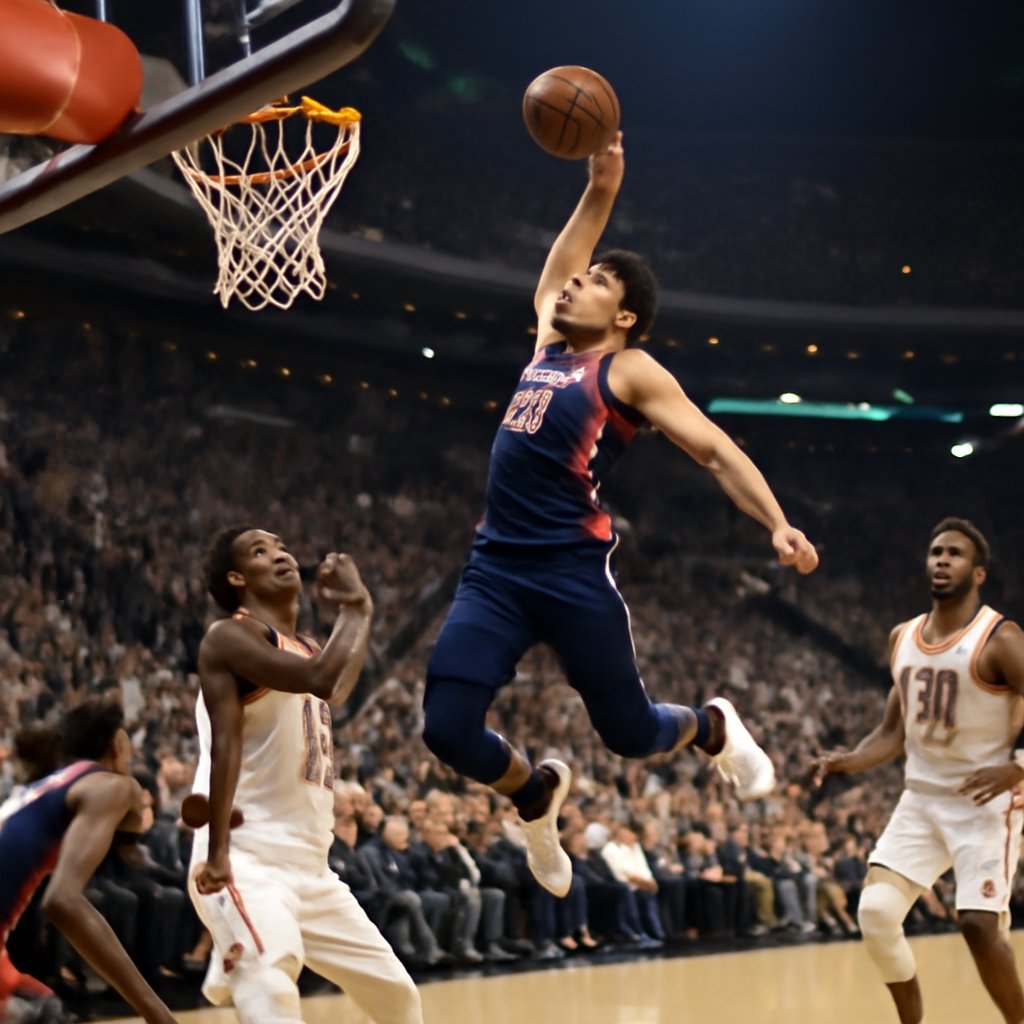
There’s something about playoff basketball that pulls us in deeper than any regular-season highlight reel ever could. These upsets aren’t just about brackets getting flipped—they’re about communities watching their teams fight with heart, strategy, and that unbreakable will that reminds us the game has always been bigger than stats. From the NBA’s biggest shocks to the way WNBA squads like the 2019 Mystics or underdog Fever groups have carved out their own space, postseason drama shows how basketball binds neighborhoods, families, and futures together.
Take that 2007 first-round clash where the eighth-seeded Golden State Warriors, powered by Baron Davis and Stephen Jackson, sent the top-seeded Dallas Mavericks packing despite their league-best 67-15 mark and Dirk Nowitzki’s MVP season. Baron dropped 25 points and 7 assists a night while Jackson added 18 points plus lockdown perimeter D, and the Warriors’ trap schemes forced 20 turnovers per game. What gets lost in the highlights is how Golden State’s transition attack hit an effective field-goal mark of 52 percent, turning the series into a full-court sprint that rewarded their speed and togetherness over Dallas’s half-court grind. It was the first time an eighth seed knocked off a 67-win top seed, and folks in the Bay still talk about it like it happened yesterday—proof that culture and chemistry can topple any favorite.
The Warriors’ upset was built on a foundation that many overlook: their willingness to play free-flowing, high-risk basketball that rattled the Mavericks’ methodical approach. Don Nelson’s coaching philosophy emphasized ball movement and quick decision-making, which forced Dallas into uncomfortable defensive rotations. The series also marked a turning point in how teams viewed seeding—it showed that a healthy, cohesive eighth seed with multiple scoring threats could absolutely punish a top seed that relied too heavily on one superstar. This lesson would echo through the next two decades of playoff basketball, influencing how franchises approached roster construction and playoff preparation.
Then there’s the 1994 Nuggets, another eighth seed that stunned the top-seeded Seattle SuperSonics in five games. With Dikembe Mutombo swatting 3.5 blocks a night and holding Shawn Kemp in check, plus Mahmoud Abdul-Rauf pouring in 19 efficient points, Denver’s switching defense under coach Dan Issel shut down Gary Payton and Kemp’s pick-and-roll attack. Mutombo finished with 31 blocks total, and that Game 5 overtime win still echoes as a lesson in resilience. The WNBA has shown us the same spirit—think of how defensive anchors like Sylvia Fowles or Breanna Stewart have lifted teams through sheer presence and leadership, reminding everyone that the paint belongs to those who protect it with pride.
What made the 1994 Nuggets run even more remarkable was the context surrounding it. Denver had won just 42 games that season, finishing far behind Seattle’s 63-win campaign. Yet their defensive intensity in the playoffs—holding the SuperSonics to just 100 points per game on average—proved that playoff basketball rewards preparation and adjustment more than regular-season dominance. Abdul-Rauf’s clutch shooting in key moments, combined with supporting players like LaPhonso Ellis and Dale Ellis stepping up, created a balanced attack that Seattle simply couldn’t contain. It remains one of the most improbable first-round victories in NBA history, a reminder that April and May basketball can produce outcomes that defy everything we learned in October through March.
The 2011 Mavericks took things even further, sweeping the defending champion Lakers before toppling Oklahoma City and then dethroning the Miami Heat in the Finals as heavy underdogs. Dirk Nowitzki averaged 26 points and 9 rebounds on 48 percent shooting, while Rick Carlisle’s small-ball groups spread the floor and Jason Terry plus Tyson Chandler provided that bench spark and rim protection. Dallas posted the best defensive rating in those Finals and a +8.2 net rating overall—the highest for any underdog champion since 2004. What gets lost in the headlines is how these runs lift entire cities, giving kids in gyms from Dallas to Denver something to dream on beyond the scoreboard.
The 2011 championship was particularly special because it validated a coaching vision that many doubted. Rick Carlisle’s decision to go small with the Lakers series—despite LeBron James and the Heat’s athleticism—showed how smart scheming could overcome raw talent advantages. The Mavericks forced the Heat into uncomfortable three-point shooting contests, where role players like Mario Chalmers and Mike Bibby had to carry offensive loads. Meanwhile, Dallas’s role players—Shawn Marion, DeShawn Stevenson, and J.J. Barea—executed at championship level when it mattered most. That team’s success influenced how NBA franchises approached constructing rosters around star players, proving that fitting pieces matter as much as individual talent.
These stories keep teaching us that coaching, role players, and defensive identity matter more than raw talent alone. The common thread running through every major upset is the presence of a coach willing to implement a unique system that counters the favorite’s strengths. Dan Issel in 1994, Don Nelson in 2007, and Rick Carlisle in 2011 all understood their personnel’s limitations and built gameplans that maximized strengths while hiding weaknesses. They didn’t try to outtalent their opponents—they outthought them, out-executed them, and out-willed them night after night.
Beyond these iconic runs, there have been countless other memorable upset moments that shaped NBA playoff lore. The 2019 Toronto Raptors eliminating the two-time defending champion Warriors, despite being down 0-2 in the Finals, showcased how trade acquisitions and mid-season adjustments could transform a franchise’s destiny. The 2020 Denver Nuggets’ comeback from down 3-1 against the Jazz, then their subsequent Finals run, proved that superstar talent combined with defensive versatility could overcome any deficit. The 2023 Suns losing to a Denver team many considered their inferior reinforced that age and experience in playoff moments still trumps raw star power sometimes.
What binds all these upsets together is the human element—the ability to believe when the world has written you off, to execute under pressure, and to trust your teammates when doubt creeps in. These aren’t just basketball games; they’re narratives about resilience, preparation, and the beautiful unpredictability of sport. Basketball has always been our community’s heartbeat—where young Black athletes learn leadership, where WNBA and NBA stars alike show that representation on the biggest stages changes lives, and where every upset carries the pride of folks who never stopped believing.
The 2007 Warriors became the first eighth seed to eliminate a top seed with a 67-win team in NBA history. Denver’s 1994 series win marked only the second time an eighth seed advanced past the first round. Dirk Nowitzki averaged 28 points in the 2011 Western Conference Finals while shooting over 50 percent from three. Mutombo recorded 31 blocks across the five-game 1994 series against Seattle. Golden State’s 2007 offense generated 112 points per 100 possessions in transition during the upset. The 2011 Mavericks posted a +8.2 net rating in the Finals, the highest for any underdog champion since 2004.