
Profile: Russell Westbrook Triple Double Feats
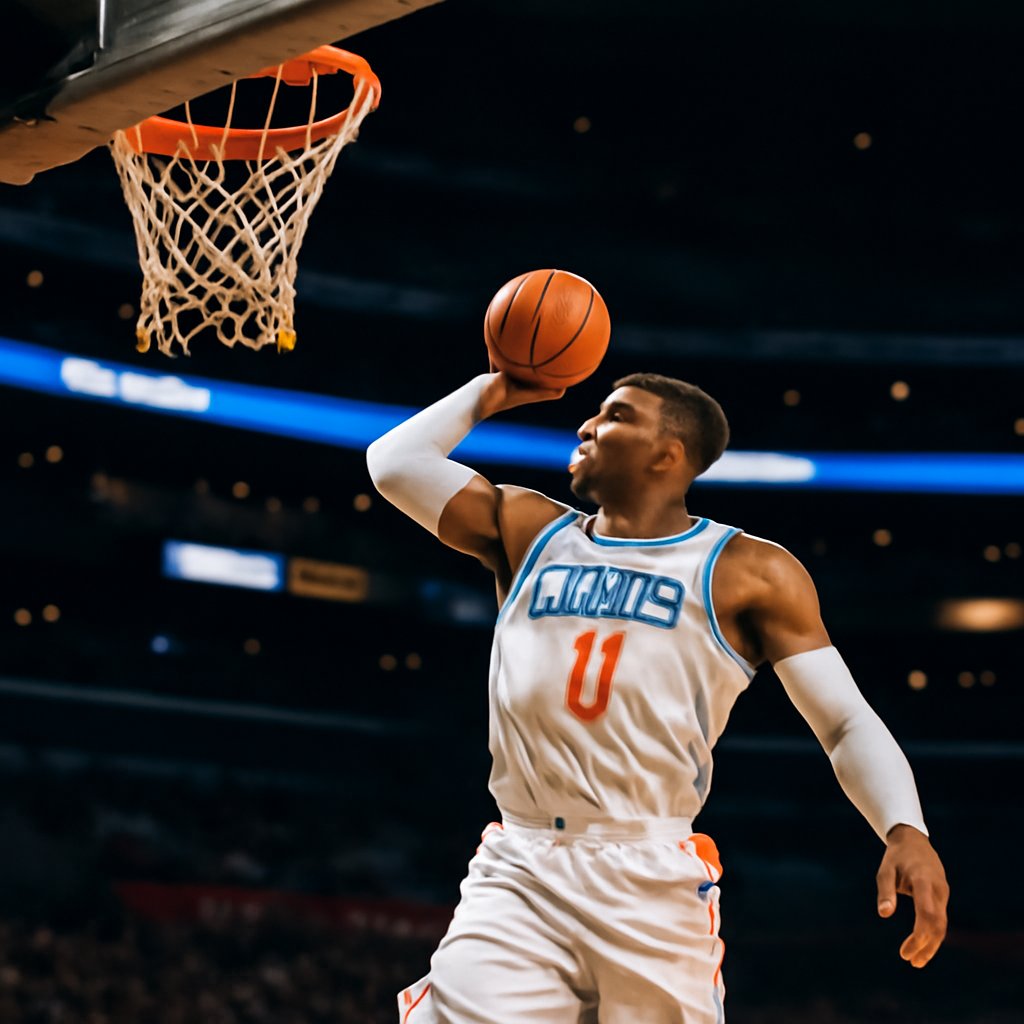
Russell Westbrook’s triple-double runs have always felt like more than numbers on a page. They’ve been a statement about what a point guard from the neighborhoods could become when given space to run, create, and carry. From his earliest days in Oklahoma City through every stop that followed, Westbrook turned ordinary nights into something electric, the kind of performances that made kids in gyms from South Central to the South Side dream bigger.
What gets lost in the highlights is how Westbrook’s style grew out of a deep respect for the game’s roots. His rookie year with the Thunder already showed flashes of that explosive athleticism, but by year three he was stacking 20-point, double-digit assist and rebound games like it was second nature. That aggressive approach helped push the Thunder deep into the playoffs alongside Kevin Durant, proving early that volume production could also mean winning production. The game has always been bigger than stats, and Westbrook played like he understood that from the start.
The 2016-17 season stands as the clearest example of that dominance. Westbrook became the first player since Oscar Robertson in 1962 to average a triple-double over a full campaign, finishing with 31.6 points, 10.7 rebounds, and 10.4 assists across 82 games and a record 42 triple-doubles. Nights like the 57-point outburst against Orlando or those multiple 40-point triple-doubles weren’t just personal milestones; they kept the Thunder competitive and gave fans something to believe in during transition. That MVP year also sparked conversations about how triple-doubles fit in today’s pace-and-space league, yet Westbrook’s version felt like a bridge between basketball’s gritty past and its modern possibilities.
Westbrook’s ability to rack up triple-doubles stemmed from a unique skill set that blended elite athleticism with an unrelenting competitive fire. Unlike traditional big men who might accumulate triple-doubles through proximity to the basket, Westbrook did it from the perimeter, often in fast-paced games where he controlled the tempo. His vertical leap, explosiveness, and length at 6’3″ allowed him to compete for rebounds against larger players, while his court vision and basketball IQ made him a natural facilitator. The combination of these tools meant that he could single-handedly orchestrate a Thunder offense while simultaneously contributing on the glass—a rare combination that defined his era.
The statistical trajectory leading to his historic 2016-17 campaign tells its own story. In the 2014-15 season, Westbrook posted 11 triple-doubles, a number that seemed remarkable at the time. By 2015-16, he had registered 16, signaling that he was entering elite territory. When he arrived at the 2016-17 campaign with Paul George joining the Thunder, the stage was set for something unprecedented. What made those 42 triple-doubles in 82 games so remarkable was the consistency—Westbrook achieved the feat in 24 of his 82 games that season, meaning nearly one-third of his appearances resulted in the rare statistical line of double digits in three major categories.
Just as we’ve seen in the WNBA, where players like Sabrina Ionescu and others chase the same all-around excellence and lift entire communities in the process, Westbrook’s consistency forced the league to revalue what a well-rounded guard could mean for team identity. His career total of 194 triple-doubles sits second all-time behind only Robertson. He passed Magic Johnson and Jason Kidd on the list, reached his 100th faster than anyone except Robertson (in 466 games), and became the only player to average a triple-double in three straight seasons from 2017 to 2019. Even later stops with Houston, Washington, the Lakers, and the Clippers added to the tally, often in big moments that highlighted his durability and fire.
Examining specific performances from that peak period reveals why Westbrook’s triple-doubles carried such weight. On January 20, 2017, he posted a 20-11-10 line against the Rockets, a performance that showcased his ability to fill the stat sheet without forcing shots. A month later, he recorded back-to-back 40-point triple-doubles, joining Wilt Chamberlain as one of only two players to accomplish that feat. These weren’t hollow numbers padded by garbage time—Westbrook was generating them in tight, competitive games where every possession mattered. His teammates and coaches understood that his pursuit of triple-doubles never came at the expense of team success, which made the scrutiny from some quarters feel misplaced.
Beyond the individual glory, these feats helped shift how front offices think about versatile contributors. Westbrook’s record 42 triple-doubles in 2016-17, his nine in April of that year alone, and the four he posted in the playoffs while averaging 37.4 points against Houston all underscore a level of consistency that still resonates. In 24 games that MVP season he cleared 10-10-10, showing the kind of night-after-night reliability that inspires the next generation. The Thunder’s fourth seed finish that year, achieved without Durant, demonstrated that Westbrook could carry a franchise through sheer force of will and productivity.
Westbrook’s impact extended beyond raw statistics to the way he changed perceptions about what constituted a complete performance. Before his rise to MVP-caliber play, triple-doubles were viewed as historically significant but rare achievements—something that happened perhaps once or twice per season league-wide. By the 2016-17 season, Westbrook was recording them so frequently that the basketball conversation shifted. Analysts began debating the merits of triple-double hunting versus team play, a discussion that would have seemed absurd a few years earlier. Yet Westbrook’s winning percentage during triple-double games remained remarkably high, silencing critics who suggested his all-around approach came at a cost to team victories.
The evolution of Westbrook’s game also showcased his basketball intelligence. As the league’s three-point volume increased and spacing became paramount, Westbrook adapted his rebounding approach, positioning himself to crash the offensive glass at key moments rather than abandoning his teammates. His assists also evolved—he began facilitating more three-point attempts as the game modernized, understanding that an assist on a three-pointer was more valuable than one on a two-pointer. This intellectual flexibility, combined with his physical gifts, allowed him to remain relevant and productive even as the NBA’s style of play shifted.
Basketball has long been a gathering place in Black communities, a space where excellence on the court translates to pride off it. Westbrook’s journey embodies that truth. His records and relentless approach didn’t just change stat lines; they reminded everyone watching that one player’s all-around impact can lift a franchise and the people connected to it. From Oklahoma City kids who grew up watching him dominate to aspiring guards everywhere, Westbrook’s triple-double legacy represents more than achievement—it represents possibility and the validation that playing with heart and versatility still matters in modern basketball.