
Top NBA Clutch Performers in Recent Eras
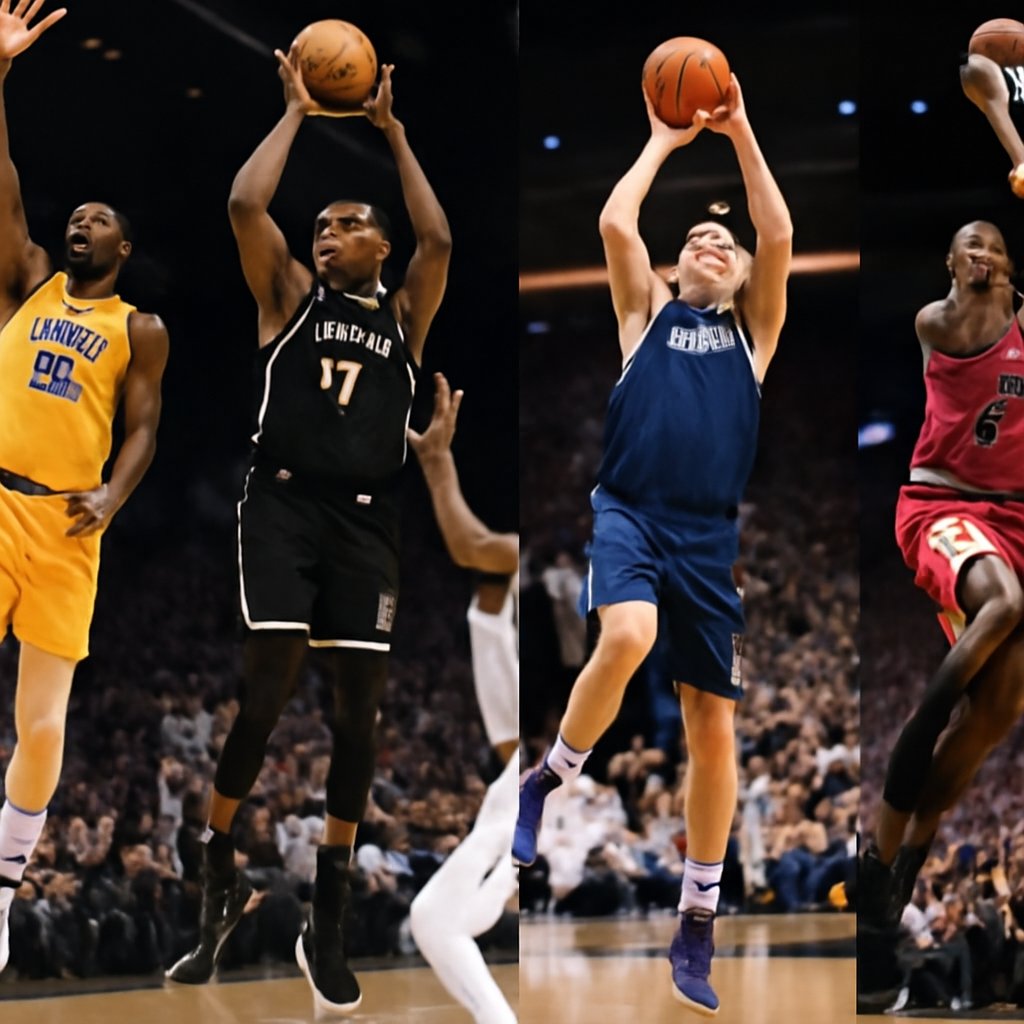
In the pressure-cooker moments that define NBA basketball, certain players have always risen above the noise, delivering when everything hangs in the balance. Whether it’s the final minutes of a regular-season grind or the deepest playoff runs, these athletes turn close games into wins with sharp decision-making, icy shooting, and that extra gear on defense. Clutch performance has shaped legacies since the 2000s, and the numbers from sources like NBA.com and Basketball-Reference back it up—points per possession in late-game windows and those unforgettable playoff sequences tell stories that regular-season averages never could. The game has always been bigger than stats, though; it’s about the communities that raise these players and the pride they carry onto the floor.
What gets lost in the highlights is how modern tracking changed the conversation. Since the mid-2000s, “clutch time” has been defined as the last five minutes when the score is within five points. That data lets us measure efficiency, assist-to-turnover ratios, and defensive stops with real precision. Franchises like the Golden State Warriors and Miami Heat built around players who thrive in those windows, and the same truth echoes across the WNBA, where teams have long valued composure under pressure—think of how stars like Diana Taurasi or Sue Bird have carried squads in tight fourth quarters with the same cultural weight.
Kobe Bryant set the standard for clutch excellence in the 2000s and early 2010s. His fadeaways and game-winners against the Celtics and Thunder became part of the league’s folklore. During the 2009 and 2010 title runs, he posted a clutch points-per-game average of 28.4, often scoring over 30 while staying efficient under heavy defensive attention. His leadership in those final huddles helped the Lakers lock in back-to-back rings through smart isolation plays. LeBron James brought a different kind of force, mixing scoring, vision, and defense. From his early Cleveland days through his Miami Heat championship years, he posted strong clutch win shares and delivered triple-doubles in playoff overtime. That block on the Warriors in the 2016 Finals still stands as one of the great defensive stands in high-leverage history.
Stephen Curry shifted the entire idea of clutch shooting in the 2010s and 2020s with his movement and deep-range accuracy. His Finals performances, including record three-point barrages, showed how spacing opens doors for everyone around him. His clutch assist numbers often match primary ball-handlers, reflecting the positionless style teams now chase. Kevin Durant and Kawhi Leonard added their own layers—Durant’s mid-range creation and Leonard’s two-way impact during the Raptors’ 2019 title run proved length and shot-making can dismantle elite defenses. Jimmy Butler has carved his own path with gritty Miami Heat playoff runs, using physicality and mid-range pull-ups to push the team deep into postseason play. Across the WNBA, we’ve seen similar poise from players who balance scoring and leadership in those same closing moments, reminding us that basketball’s heartbeat lives in both leagues.
Here are the key facts that anchor these stories:
– Kobe Bryant recorded a clutch points-per-game average of 28.4 during the 2010 playoffs, leading the Lakers to the championship with multiple game-sealing shots in the final minute.
– LeBron James holds one of the highest clutch player efficiency ratings among forwards since 2005, combining 35% usage rate with sub-10% turnover percentages in close contests.
– Stephen Curry’s three-point percentage in clutch time exceeds 42% across the last decade, a mark that has influenced spacing strategies league-wide during playoff coverage.
– Kawhi Leonard posted a defensive rating under 95 in clutch minutes during the 2019 postseason, anchoring the Raptors’ championship defense through elite perimeter stops.
– Team analysis of the Golden State Warriors shows that Curry-led lineups achieved a plus-12.3 net rating in clutch situations from 2015 to 2022, correlating directly with four titles.
– Advanced NBA stats indicate that players with above-average assist rates in clutch time, such as Chris Paul, improve their teams’ win probability by nearly 15% in the final possessions.
– Playoff heroics from Durant include a 2017 Finals performance where he averaged 31 clutch points, helping the Warriors overcome a 3-1 deficit against Cleveland.
– Recent eras have seen a rise in clutch three-point attempts, with league averages increasing 25% since 2015 due to rule changes favoring offensive freedom.
From Bryant’s mid-range command to Curry’s perimeter gravity, these players have influenced how teams build for playoffs and how young athletes learn the game in neighborhoods everywhere. Their legacies remind us that composure when the clock winds down carries the culture forward, inspiring the next wave across both the NBA and WNBA.
Sources
- NBA.com Official Statistics – League-wide player performance data and advanced metrics
- ESPN NBA Statistics – Game logs, player stats, and clutch performance tracking
- Basketball Reference – Historical NBA statistics and clutch time performance analysis
- NBA.com News – Official league coverage and player performance articles
- ESPN NBA News – In-depth reporting on clutch moments and player performances