
Top NBA Power Forwards Defensive Standouts
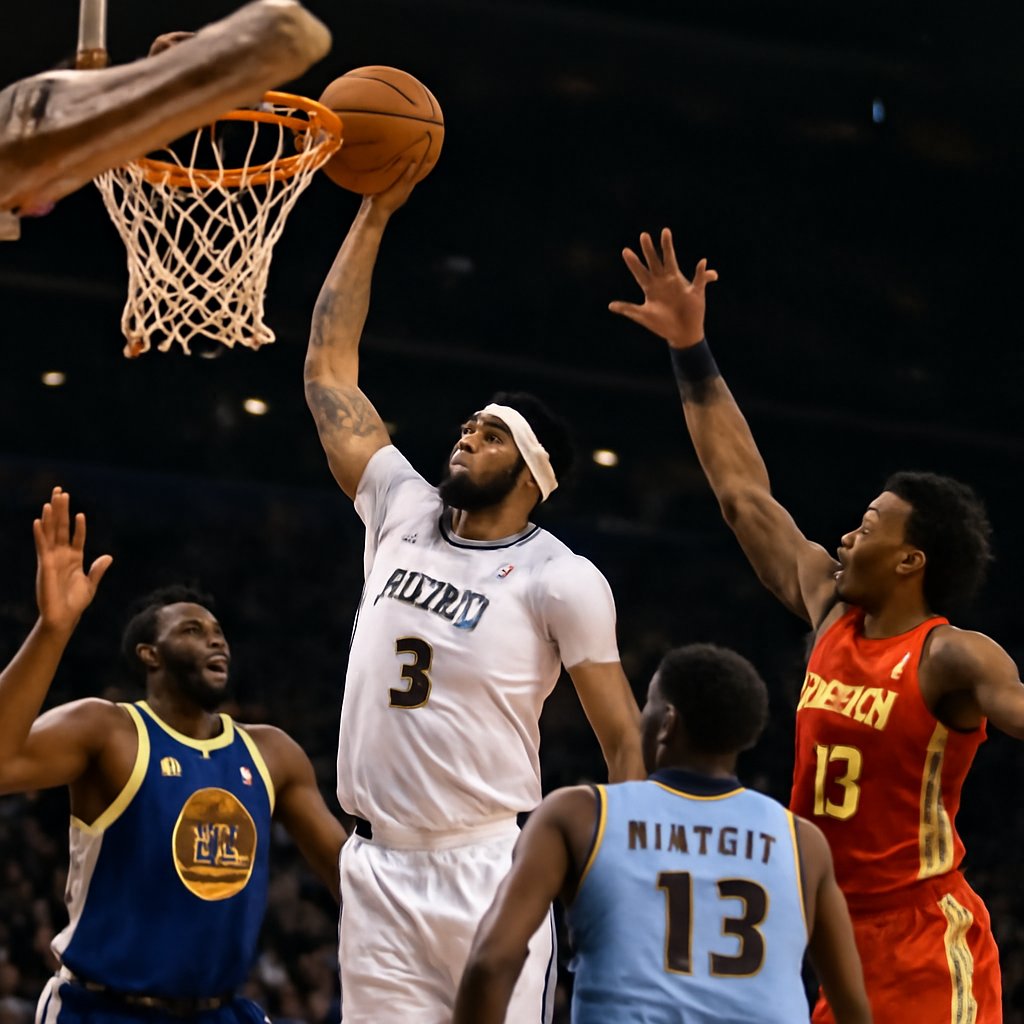
Top NBA power forwards have been anchoring defenses for as long as I can remember, using rim protection, smart switching, and that rebounding muscle that turns games around. These guys don’t just stand in the paint—they change how offenses move and how their own teams feel when the pressure’s on. I laced up for four years playing college ball, so I know what it feels like to fight for position down low and watch a help rotation close out a drive before it even starts. The advanced metrics back up what any player who’s been in the gym knows: elite defense at the four spot lifts win shares, drops defensive rating, and keeps opponents from finishing easy at the rim. In Black communities from Philly to Atlanta, that kind of presence on the block carries extra weight—it’s how respect gets earned on summer league courts and how kids learn the game means more than just scoring.
Tim Duncan set the standard with quiet power that never needed extra noise. Over 19 seasons he averaged 2.2 blocks and 10.8 rebounds, holding down the Spurs’ championship defenses with the kind of consistency that made opponents adjust their whole game plan. His help-side timing and post defense kept teams under 42 percent shooting inside during his prime, and those five titles came straight from that discipline. I still study his footwork because it showed how a big man can control space without fouling out of rhythm. Duncan’s defensive approach was fundamentally about positioning and anticipation rather than pure athleticism—he read offensive movements before they fully developed, allowing him to cut off passing lanes and contest shots without overcommitting.
Kevin Garnett brought a different fire—pure intensity mixed with the ability to guard out on the perimeter. He led the league in defensive win shares more than once, using quick hands for 1.4 steals a game while still protecting the rim. Garnett’s voice and willingness to switch onto four positions turned both Minnesota and Boston into top-five defensive squads. His career defensive rating of 101.2 proved one power forward could shift an entire franchise toward aggressive switching that coaches still copy today. What made Garnett particularly unique was his versatility to guard positions one through five during stretches—a skill that predated the modern era of big man switching but laid crucial groundwork for how defenses would evolve. His on-court communication style, though sometimes intense, fundamentally changed how teams coordinated defensive coverage in pick-and-roll situations.
Anthony Davis keeps that tradition alive with his 2.3 career blocks and elite help defense. The length and mobility let him stay at the rim one possession and switch onto guards the next. When he’s on the floor for the Lakers, team defensive rating improves by more than six points, and the steal and block rates show up even bigger in the playoffs. Davis represents a newer breed of power forward—taller and more explosive than his predecessors—but his defensive principles remain rooted in Duncan’s fundamentals combined with elite athleticism. His ability to recover on missed rotations and contest three-pointers has forced offenses to rethink spacing strategies when he’s defending the perimeter.
Draymond Green took it further by turning communication and positioning into an art form. Despite not having the biggest frame, he guards one through five, posting career averages of 1.0 steals and 1.0 blocks while earning multiple Defensive Player of the Year honors. His presence helped Golden State finish top-three in defensive rating during their title runs, proving basketball IQ can outweigh raw size. Green’s defensive value extends beyond traditional statistics—his ability to navigate pick-and-roll switches, communicate assignments, and adjust on the fly makes him invaluable in playoff settings where offensive schemes tighten and every possession matters. Coaches have noted that Green’s impact on paint protection and limiting second-chance opportunities often exceeds what basic box score numbers suggest.
Bam Adebayo has become that same two-way force in Miami, mixing mobility with physical post play. Averaging 1.2 steals and strong contest rates, he handles drop coverage and help rotations without losing a step. His playoff rebounding and switching create mismatches that slow down elite scorers and push team efficiency higher. Adebayo’s game against centers like Jokic and Embiid has proven that versatile power forwards can neutralize traditional post threats through intelligent help defense and physical contests. His value in limiting three-second violations and keeping opponents off the offensive glass demonstrates how modern defensive concepts emphasize control of space over traditional size advantages.
In the postseason these power forwards often decide series with adjustments and physicality—think Duncan’s blocks in the 2005 and 2007 Finals or Green neutralizing wings across multiple championship runs. Units built around them rank in the top 10 for defensive rating and points allowed in the paint. The consistency of these defensive anchors across different eras and systems speaks to the fundamental importance of strong power forward play. When franchises invest in elite defense at this position, their playoff success rates increase dramatically, and their opponents struggle to generate efficient offensive sets.
The evolution from Duncan to modern players shows how the position continues to shift strategically. While Duncan thrived in a more traditional post-defense role with limited switching, contemporary power forwards must master drop coverage, aggressive on-ball switches, and perimeter defense. This transition has accelerated due to increased three-point shooting across the league, forcing power forwards to defend farther from the basket. The challenge intensifies because defending stretch fives and shooting power forwards requires different skills than protecting the paint against true centers. Elite defensive power forwards now need a complete toolkit that includes shot-blocking, lateral mobility, strength to hold position, and the awareness to avoid defensive fouls in high-leverage moments.
The numbers tell the story clearly: Tim Duncan finished with 3,020 career blocks, the most by any power forward. Kevin Garnett earned 12 All-Defensive selections. Anthony Davis posted a defensive rating below 105 in six of his last eight seasons. Draymond Green’s teams finished top-five in defensive rating all four championship years. Bam Adebayo averaged 10.8 rebounds and 1.4 blocks in the 2023 playoffs. Power forwards averaging 2-plus blocks per game have helped their teams reach the Finals 14 times since 1990. Switching schemes with versatile fours improve defensive efficiency by 4–7 points per 100 possessions, and elite rebounding keeps opponent second-chance points under 12 per game when it matters most.
For young players looking to model their defensive games, studying these power forwards reveals key principles: defensive positioning beats reactive athleticism, communication multiplies individual effort, and consistency matters more than highlight-reel blocks. The defensive power forward who takes pride in winning possession battles, communicating coverage adjustments, and maintaining focus over 48 minutes becomes invaluable to championship-caliber teams. Their impact shows up in team statistics, playoff success rates, and the confidence their teammates display on the defensive end.
From Duncan’s foundational impact to Adebayo’s modern versatility, the power forward who can defend at a high level remains essential for deep playoff runs and sustained success. The game keeps spacing out, but that physical and mental edge in the frontcourt still separates contenders from the rest.
Sources
- NBA.com Stats – Official NBA statistics and player performance data
- ESPN NBA Statistics – Comprehensive NBA player stats and rankings
- Basketball Reference – Detailed NBA season statistics and player metrics
- NBA.com News – Official NBA news and player updates
- ESPN NBA – NBA coverage, analysis, and breaking news