
What Is an NBA Fast Break? Offense Fundamentals Explained
An NBA fast break is a scoring possession where the offense pushes the ball up the court immediately after gaining possession — off a defensive rebound, steal, or made basket — before the defense can set up. The goal is simple: create a numbers advantage (like a 3-on-2 or 2-on-1) and finish before defenders recover. Fast breaks are the fastest, highest-percentage shots in basketball, and they’re why transition offense is such a prized skill at every level of the NBA.
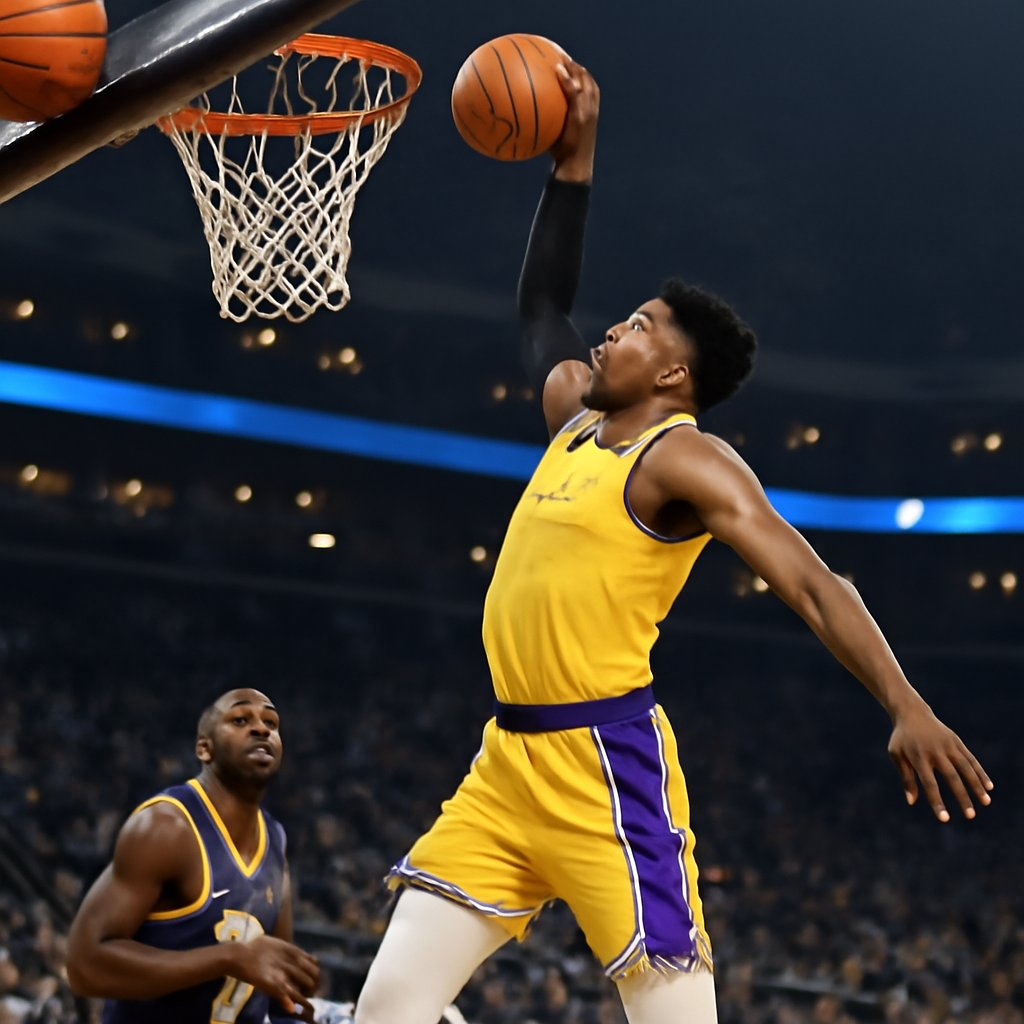
When a defensive stop flips into a fast break, the whole floor opens up like the city lights at dusk after a long summer run. I laced up for four years playing college ball, so I know what this feels like in your lungs and legs—the sudden surge when that rebound hits your hands and the outlet is already gone. Elite NBA squads turn those moments into points at a clip that half-court sets can’t touch, and the advanced metrics back up what any player who’s been in the gym knows: 1.18 points per possession in transition beats the 1.02 you grind out in set offense every time.
How an NBA Fast Break Actually Starts
The foundation starts the second the ball is secured. Outlet passes hit the guards before the other side can get set, wings fill the lanes wide, and bigs trail for the lob or the putback. I’ve seen it from both sides—when the spacing is right, a three-on-two feels automatic. LeBron James still reads those floors like he did in his prime, kicking ahead instead of forcing a contested finish. Head-up dribbling, no extra bounces, knowing when to push versus when to pull it back—that’s the difference between easy buckets and turnovers that kill momentum.
Rebounding sets the whole thing in motion. The Spurs back in their championship window grabbed defensive boards at 78 percent and rode that into top-10 transition efficiency. Without a quick outlet, even the best glass-cleaners watch defenses recover and the advantage disappear. Points per possession in transition climb above 1.15 for the squads that get it right, and that edge shows up in playoff series more often than not. Elite rebounding bigs who control the defensive glass are the ones who generate these extra fast-break chances in the first place.
The Three Fast Break Roles: Guard, Wing, Trailer
Point guards run the show—Chris Paul controlling tempo while scanning cutters is a master class. Wings sprint the sidelines to stretch help defense, and the trailers (centers or power forwards) become the second wave for dump-offs or corner threes. The Warriors dynasty turned this into an art form, pulling 22 percent of their scoring from the break. Decision-making under pressure separates the disciplined from the ones who rack up live-ball turnovers.
Spacing keeps the middle open, timing brings the trailers in sync, and the numbers don’t lie: players averaging under 2.5 dribbles per fast-break touch, like Ja Morant, post the higher efficiency. Attack the rim first; if help rotates, find the open shooter. That layered decision tree is what coaches drill until it becomes muscle memory.
The 3-on-2 Fast Break Advantage
The three-on-two advantage represents the sweet spot in transition offense. When a ball handler pushes ahead with two trailing options, defenders face an impossible geometric problem. One defender has to commit to the ball, leaving a man open on the perimeter or near the basket. The best transition teams understand spacing angles and timing—the trailer doesn’t arrive too early (which collapses spacing) or too late (which lets defense recover). Teams like the Denver Nuggets, with Jamal Murray’s court vision and their athletic bigs crashing the glass, average nearly 1.20 points per possession in these scenarios. The math is unforgiving for defenses: if the ball handler has two unguarded options within ten feet, one of them converts at over 85 percent efficiency.
Understanding the lanes is critical. The wing lanes aren’t just running space—they’re strategic. Wings positioned too tight to the sideline get pushed out of bounds; too far interior and help defense has an easier angle. The ideal fast-break wing lane sits about 8-10 feet from the sideline, giving the ball handler a passing window while keeping the shooter in rhythm range. The Denver Nuggets and Boston Celtics have drilled this positioning so thoroughly that their wings rarely miss reads or positioning cues. A well-executed wing fill gets defenders running laterally, which is the slowest defensive movement in basketball.
Why the Outlet Pass Makes or Breaks a Fast Break
The outlet pass itself deserves deeper examination. The rebounding big or guard securing a defensive rebound has roughly 1.2 seconds before the other team’s perimeter players recover. The best outlet passes are one-handed, no-look, and hit the guard in stride—not static. Nikola Jokic’s outlet passes often go to his guards 40+ feet away, essentially turning a rebound into the start of a fast break before defenders have mentally shifted into transition mode. When an outlet pass lands in the guard’s hands with the guard already moving toward halfcourt, the spacing advantage multiplies. Bad outlets—slow, two-handed, received by a stationary guard—waste those precious seconds and allow the defense to set.
Look at the Bucks in 2021—Giannis turning transition dominance into 18.4 fast-break points a game carried them through. Top-five transition teams win 68 percent of their games. Speed demons like De’Aaron Fox show how raw athleticism multiplies these fundamentals and lifts a squad’s overall offensive rating in those moments. Rebounding above 75 percent on the defensive glass directly adds 25 percent more fast-break chances. Nikola Jokic’s assist-to-turnover work above 4.0 in transition keeps everything clean. Historical echoes like the Magic Johnson Lakers averaging 24 fast-break points a game still ring true today, and maintained spacing now fuels a 12 percent bump in three-point attempts off broken plays.
The Fast Break Decision-Making Hierarchy
The decision-making hierarchy in transition is worth memorizing if you want to understand modern NBA fast-break philosophy. First read: attack the rim if you have a numbers advantage and clear path. Second read: kick out to the open three-pointer if help defense collapses. Third read: reset the ball to a trailer who has separation. Fourth read: pull it back and reset in the half court. Teams that execute this sequence cleanly without hesitation turn transition possessions into points at historic rates. The Suns under Monty Williams were teaching this exact progression, which is why players like Chris Paul and Devin Booker operated with such low turnover rates in the break.
Transition defense preparation happens during practice, not during games. Teams that struggle in the break often have lazy defensive rotations or bigs who aren’t sprinting back. The best teams condition their rotations so that at least three defenders are always falling back, with perimeter players assigned to specific lanes. The Miami Heat have built their identity partly on this—their defensive pressure forces turnovers that flip into easy transition buckets, and their bigs are trained to recover quickly when they do get beaten. This creates a self-reinforcing cycle: good transition defense leads to more possessions, which leads to more transition offense.
The long rebound is the underrated catalyst. When a shot misses and bounces far from the basket, the team that gets to that rebound first has the longest runway for a fast break. Teams that shoot high-volume three-pointers are generating more long rebounds—another reason why spacing and shooting gravity feed transition game. The Houston Rockets’ three-point heavy era saw longer rebound distances and more outlet opportunities, which helped them maintain efficient transition rates despite the attention paid to their half-court sets.
Trail positioning for big men has evolved significantly. The old model was a center following 15-20 feet behind. The modern game demands bigs who can arrive as a secondary option at the 3-point line or attack a closeout. When a center like Karl-Anthony Towns trails the break, he’s a legitimate three-point threat, which stretches defenders laterally and opens driving lanes for the ball handler. This contrasts sharply with traditional centers who only operated in the paint. The spacing explosion in the league has transformed even transition roles.
Transition offense makes up 15-20 percent of total points for contenders like the Celtics and Nuggets. In Black American communities, this is the game that taught us how to move together—pickup runs at the rec center or the park where the same principles of outlet, spacing, and reading help were passed down before any analytics board existed. When teams drill these habits, they carry that momentum from regular season into June.
Top squads average 1.18 points per possession on fast breaks. Transition accounts for 15-20 percent of scoring for playoff teams. Elite assist-to-turnover ratios above 4.0 in transition, rebounding above 75 percent, and the historical benchmarks all point to the same truth: mastering these fundamentals turns athletic gifts into repeatable championship habits.
Frequently Asked Questions
What is a fast break in the NBA?
A fast break is a possession where the offense sprints up the floor immediately after a rebound, steal, or made basket, aiming to score before the defense can get back and set up. It’s the fastest and most efficient scoring method in basketball, averaging around 1.18 points per possession for elite teams — well above the roughly 1.02 points per possession teams get from set half-court offense.
What is fast break offense in basketball?
Fast break offense is a coordinated system built around three roles: the point guard pushing tempo and reading the floor, wings sprinting wide lanes to stretch the defense, and trailing bigs filling in for putbacks, dump-offs, or spot-up threes. The best fast break offenses win the outlet pass, create a numbers advantage like a 3-on-2, and attack the rim first before kicking out to shooters.
How many points per possession does an NBA fast break generate?
Elite NBA transition offenses average roughly 1.18 to 1.20 points per possession on fast breaks, compared to about 1.02 points per possession in half-court sets. That efficiency gap is why teams like the Nuggets, Celtics, and the historic Warriors dynasty prioritize getting out in transition on every live-ball turnover or defensive rebound.